The rise of artificial intelligence in creative fields has opened up new avenues for artistic expression. AI-generated art, created through algorithms and neural networks, has garnered significant attention for its ability to produce unique and often surprising results. However, the integration of AI in art creation is not without its challenges. Often, AI-generated art requires additional human intervention or post-processing to achieve the desired outcome. This article explores various experiences and case studies where human input has been essential in refining AI-generated art.
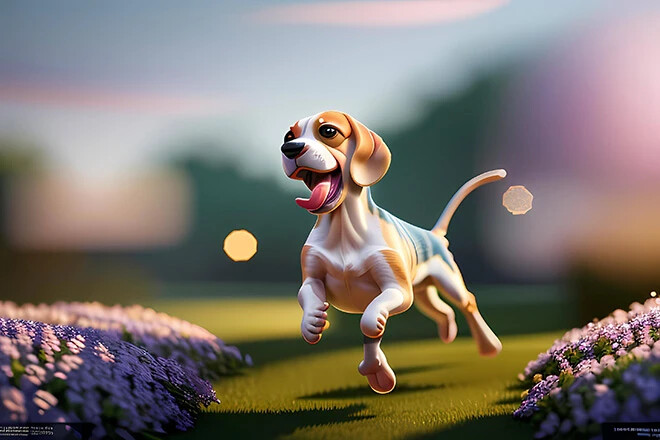
Understanding AI-Generated Art
What is AI-Generated Art?
AI-generated art refers to artwork created using artificial intelligence algorithms, particularly those leveraging machine learning techniques. These algorithms can analyze vast datasets of existing artworks, learning styles, patterns, and techniques to generate new pieces of art. Common methods include:
- Generative Adversarial Networks (GANs): A popular approach where two neural networks—one generating images and the other evaluating their quality—compete against each other to produce realistic outputs.
- Deep Learning: Techniques that utilize neural networks to understand and replicate artistic styles and forms.
- Style Transfer: An application that allows the transfer of the style of one image onto another, creating hybrid artworks.
The Role of Human Intervention
While AI can generate impressive artworks, it often lacks the nuanced understanding of context, emotion, and intent that human artists bring to their creations. As a result, human intervention is frequently necessary to enhance, refine, or guide the AI output. This can involve various forms of post-processing, including editing, curating, and adding personal touches.
Case Studies of AI-Generated Art Requiring Human Intervention
1. The “Edmond de Belamy” Portrait
One of the most famous examples of AI-generated art is the portrait “Edmond de Belamy,” created by the Paris-based art collective Obvious. The piece was generated using a GAN trained on a dataset of historical portraits.
The Process
- Initial Generation: The GAN analyzed thousands of portraits to understand the stylistic elements of traditional portraiture.
- Output: The resulting image was intriguing but lacked the fine details and refinement typical of human-made portraits.
Human Intervention
- Curation and Framing: The creators decided to present the artwork in a specific context, framing it within a traditional portrait format to enhance its perceived value.
- Marketing and Narrative: The human artists crafted a narrative around the piece, emphasizing its significance as a pioneering work of AI art, which contributed to its auction success.
Outcome
The portrait was sold at auction for $432,500, highlighting how human intervention in curation and marketing played a crucial role in the art’s reception and value.
2. The AI Art “Selfie” by Robotic Artist Ai-Da
Ai-Da is a humanoid robot artist that utilizes AI algorithms to create art. She has been involved in various projects, including creating self-portraits and landscape paintings.
The Process
- Algorithmic Generation: Ai-Da’s algorithms analyze visual data and generate artworks based on learned patterns and styles.
- Output: The initial artworks produced were interesting but often lacked emotional depth and complexity.
Human Intervention
- Artistic Direction: Human collaborators provided guidance on themes and subjects, influencing the type of portraits Ai-Da would create.
- Post-Processing: The generated images often required human artists to refine colors, add details, and enhance textures to make the final pieces more visually appealing.
Outcome
The collaboration between Ai-Da and human artists resulted in artworks that resonated more deeply with viewers, showcasing the importance of human insight in the creative process.
3. The “DeepDream” Project
Google’s DeepDream project utilizes neural networks to enhance and modify images, creating dream-like visuals filled with intricate patterns and unexpected forms.
The Process
- Image Processing: Users input images, and the AI processes them by enhancing features and patterns it recognizes, often resulting in surreal and psychedelic effects.
- Output: The initial outputs can be visually striking but often appear chaotic or overwhelming, lacking a cohesive artistic intent.
Human Intervention
- Selection and Editing: Artists often select specific outputs that resonate with them, manually curating the results to showcase.
- Post-Processing Techniques: Artists frequently use image editing software to adjust colors, contrast, and composition, refining the final artwork to achieve a polished look.
Outcome
The combination of AI-generated patterns and human artistic sensibility resulted in a unique genre of art that merges technology with traditional artistic practices.
4. The “This Artwork Does Not Exist” Project
“This Artwork Does Not Exist” is an online platform that generates unique artworks using GANs. Each time a user refreshes the page, a new piece is displayed.
The Process
- Generation: The AI continuously creates new images based on learned styles and techniques.
- Output: While many images are visually intriguing, some lack coherence or artistic quality.
Human Intervention
- Curation and Selection: Human curators sift through generated images to select the most compelling pieces for display.
- Contextualization: Curators often provide context or narrative around chosen pieces, enhancing their significance and appeal.
Outcome
The project highlights the necessity of human intervention in curation, ensuring that only the most engaging and thought-provoking pieces are presented to the audience.
5. AI-Enhanced Fashion Design
AI has been increasingly used in the fashion industry for designing clothing and accessories. Various brands have experimented with AI-generated designs to explore new aesthetics.
The Process
- Design Generation: AI algorithms analyze current fashion trends and generate new clothing designs based on patterns, colors, and styles.
- Output: Initial designs can be innovative but may not always align with market preferences or practical wearability.
Human Intervention
- Refinement and Adaptation: Human designers review AI-generated designs, making adjustments for practicality, comfort, and style.
- Feedback Loop: Designers may use consumer feedback to inform further AI training, ensuring that future designs align more closely with market demands.
Outcome
The collaboration between AI and human designers results in unique fashion collections that push boundaries while remaining commercially viable.
6. Music Composition with AI
AI has also ventured into music composition, generating melodies and harmonies based on learned patterns. Projects like OpenAI’s MuseNet and AIVA (Artificial Intelligence Virtual Artist) illustrate this trend.
The Process
- Composition: AI analyzes various musical genres and generates compositions based on learned structures.
- Output: While some AI-generated pieces are melodically interesting, they often lack emotional depth and complexity.
Human Intervention
- Editing and Arrangement: Musicians frequently edit AI-generated compositions, adding layers, instrumentation, and emotional nuance.
- Performance: Human musicians interpret AI-generated scores, bringing their emotional understanding and artistry to the performance.
Outcome
The fusion of AI-generated compositions with human musicianship creates rich musical experiences, emphasizing the importance of human input in the creative process.
7. Visual Art Collaborations
Several artists have embraced AI as a collaborative tool, using it to generate ideas and inspiration for their work. This collaborative approach often requires significant human input.
The Process
- Idea Generation: Artists use AI tools to brainstorm visual concepts and styles, generating multiple variations before settling on a final design.
- Output: The AI produces numerous iterations, some of which may lack coherence or artistic intent.
Human Intervention
- Selection and Refinement: Artists curate the AI outputs, selecting the most promising concepts to develop further.
- Final Touches: Human artists often add personal touches, refining colors, details, and compositions to align the final piece with their vision.
Outcome
This collaborative method highlights how AI can serve as a source of inspiration while still relying on human creativity for execution and refinement.
Challenges and Considerations
1. Quality Control
AI-generated art can vary significantly in quality, with some outputs requiring substantial refinement. Human intervention is often necessary to ensure that the final product meets artistic standards.
2. Emotional Depth
AI lacks the ability to understand human emotions and experiences fully. This gap often necessitates human input to infuse art with emotional resonance, ensuring that the final work connects with viewers on a deeper level.
3. Ethical Considerations
The use of AI in art raises ethical questions regarding authorship and originality. When human artists intervene in AI-generated work, it can blur the lines of creative ownership, leading to discussions about intellectual property and attribution.
4. The Role of the Artist
As AI continues to evolve, the role of the artist may shift. Artists must adapt to new tools and technologies while retaining their creative vision and personal expression.
Conclusion
AI-generated art represents a fascinating intersection of technology and creativity. While AI can produce impressive and innovative pieces, the need for human intervention remains paramount in achieving the desired outcomes. From curating and refining works to adding emotional depth and context, human artists play a vital role in the creative process.
As the relationship between AI and human creativity continues to evolve, it will be essential to explore the implications of this collaboration. By embracing AI as a tool rather than a replacement, artists can push the boundaries of artistic expression and forge new paths in the world of art.
The future of AI-generated art lies in the synergy between human creativity and machine learning, where both can coexist and enhance the artistic landscape. This partnership not only enriches the art world but also opens up exciting possibilities for innovation and exploration in various creative fields.