The advent of artificial intelligence (AI) has transformed numerous industries, and customer support is no exception. AI agents, particularly chatbots and virtual assistants, have increasingly been deployed to handle customer inquiries and support tasks. This article explores the potential of AI agents to replace human customer support entirely, examining their capabilities, limitations, and the implications of such a shift.
1. AI Agents in Customer Support
1.1 Definition of AI Agents
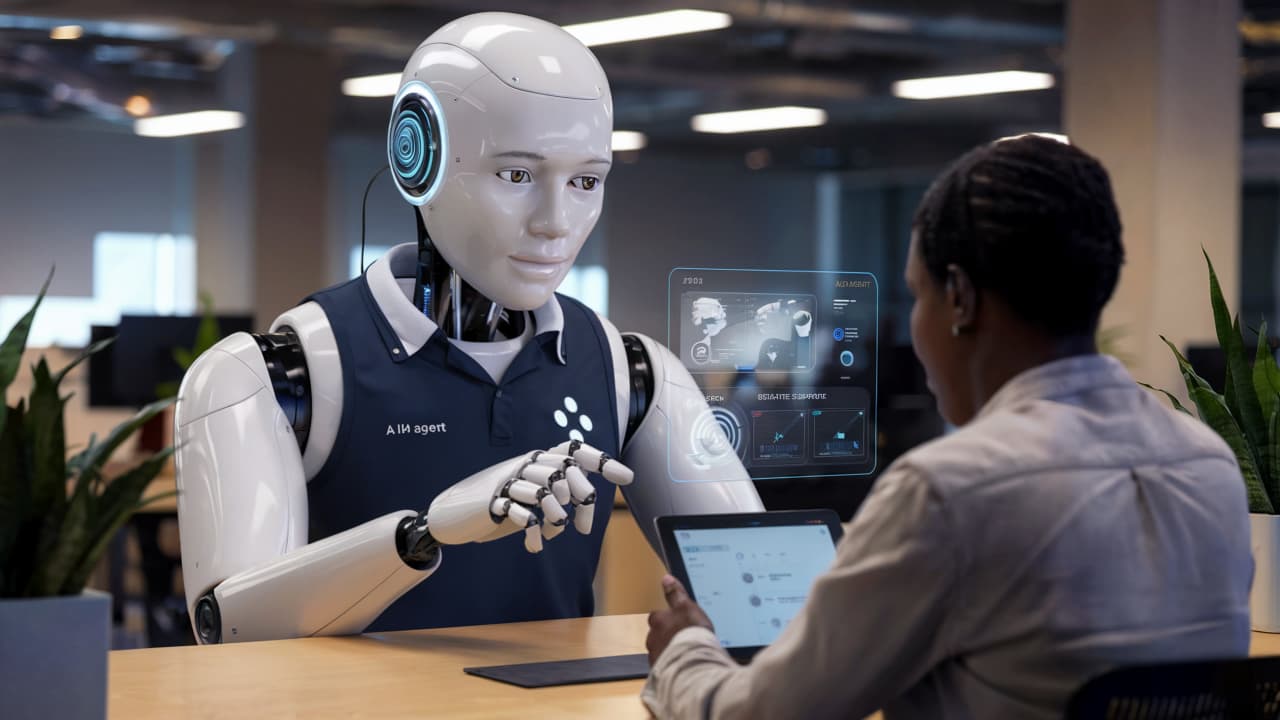
AI agents in customer support are software applications that utilize machine learning, natural language processing (NLP), and other AI technologies to interact with customers, answer inquiries, and resolve issues. These agents can operate autonomously or assist human agents, providing a range of functionalities.
1.2 Types of AI Agents
- Chatbots: These are automated programs that simulate conversation with users, typically through text-based interfaces. Chatbots can handle simple queries, provide information, and guide users through processes.
- Virtual Assistants: More advanced than chatbots, virtual assistants can perform complex tasks, engage in natural language conversations, and learn from interactions to improve over time.
- Voice Assistants: These AI agents use voice recognition technology to interact with customers, allowing for hands-free communication and tasks.
2. The Rise of AI in Customer Support
2.1 Historical Context
Historically, customer support relied heavily on human agents, who provided personalized assistance. However, the increasing volume of customer inquiries and the demand for faster response times led to the exploration of AI solutions. The introduction of chatbots in the early 2000s marked the beginning of this transformation.
2.2 Current Landscape
Today, many companies leverage AI agents to enhance their customer support operations. AI technologies can handle repetitive tasks, allowing human agents to focus on more complex inquiries. Major organizations, such as Amazon, Google, and Microsoft, have integrated AI into their customer support strategies, demonstrating its effectiveness.

3. Advantages of AI Agents in Customer Support
3.1 24/7 Availability
One of the most significant advantages of AI agents is their ability to provide support around the clock. Unlike human agents, AI can operate 24/7 without fatigue, ensuring that customers receive assistance at any time.
3.2 Cost Efficiency
AI agents can reduce operational costs by handling a large volume of inquiries without the need for additional staff. This efficiency allows organizations to allocate resources more effectively and potentially lower customer service costs.
3.3 Consistency in Responses
AI agents deliver consistent responses to customer inquiries, minimizing the risk of human error or variability in service quality. This consistency enhances customer satisfaction and trust in the brand.
3.4 Scalability
AI systems can easily scale to accommodate increased customer demand. During peak periods, such as holiday seasons, AI agents can handle a surge in inquiries without compromising response times.
3.5 Data Collection and Analysis
AI agents can collect and analyze customer data during interactions, providing valuable insights into customer preferences, behaviors, and pain points. This data can inform business strategies and improve products and services.
4. Limitations of AI Agents in Customer Support
4.1 Lack of Emotional Intelligence
While AI agents can process language and provide information, they lack the emotional intelligence that human agents possess. Understanding nuanced emotions, empathy, and building rapport are essential aspects of effective customer support, which AI struggles to replicate.
4.2 Handling Complex Inquiries
AI agents excel at handling simple and repetitive queries but may falter when faced with complex issues that require critical thinking or creative problem-solving. Human agents are better equipped to navigate challenging scenarios and provide tailored solutions.
4.3 Misunderstandings and Limitations in Language Processing
Natural language processing, while advanced, is not perfect. AI agents can misinterpret user queries, leading to frustration for customers. In contrast, human agents can clarify misunderstandings and engage in more dynamic conversations.
4.4 Dependence on Training Data
AI agents rely on historical data to learn and improve. If the training data is biased or incomplete, it can lead to suboptimal performance. Human agents, however, can adapt to new situations and learn from experiences in real time.
4.5 Resistance to Change
Some customers may prefer to interact with human agents and feel uncomfortable using AI-driven support systems. This resistance can hinder the adoption of AI agents in customer support roles.
5. The Role of Human Agents in Customer Support
5.1 Complementary Function
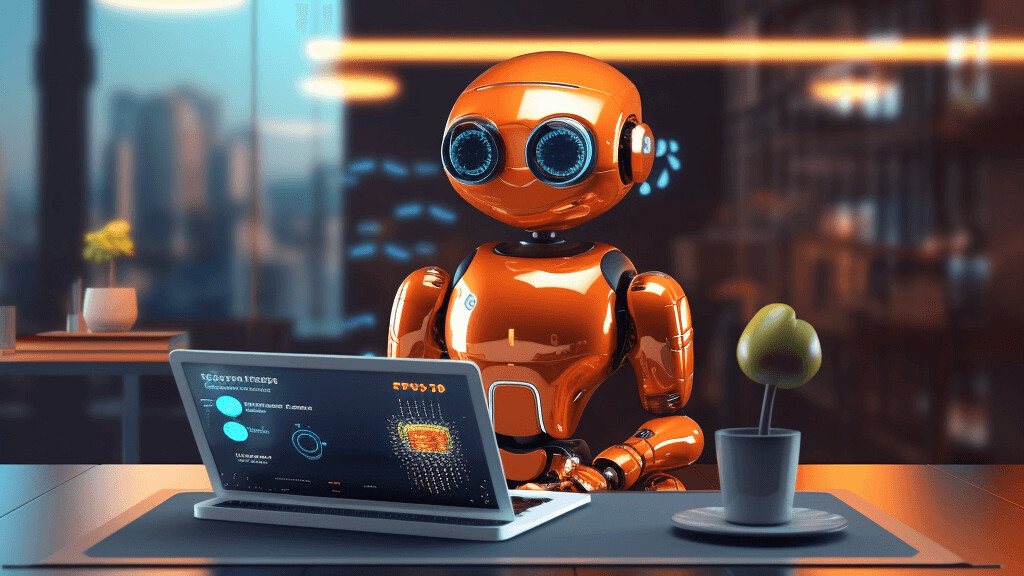
Rather than replacing human agents entirely, AI can complement their roles. AI agents can handle routine inquiries, allowing human agents to focus on more complex cases that require human insight and creativity.
5.2 Building Relationships agents excel at establishing relationships with customers. They can empathize with customer concerns, provide reassurance, and create a positive customer experience that fosters loyalty.
5.3 Problem Resolution
When issues escalate beyond the capabilities of AI agents, human agents are essential for resolution. They can analyze unique situations, apply critical thinking, and provide personalized solutions that AI may not be able to offer.
5.4 Training and Development
Human agents play a vital role in training AI systems. They can provide feedback on AI interactions, helping to refine algorithms and improve the overall performance of AI agents.
6. Hybrid Models: The Future of Customer Support
6.1 Integration of AI and Human Agents
The future of customer support likely lies in a hybrid model that integrates both AI and human agents. By leveraging the strengths of each, organizations can create efficient and effective support systems.
6.2 AI as a First Point of Contact
In a hybrid model, AI agents can serve as the first point of contact for customer inquiries. They can address simple questions and gather relevant information before escalating more complex issues to human agents.
6.3 Continuous Improvement
As AI agents interact with customers, they can continuously learn and improve. Human agents can provide feedback and insights, helping to refine AI algorithms and enhance their performance over time.
6.4 Enhanced Customer Experience
By combining AI efficiency with human empathy, organizations can create a seamless customer experience. Customers can receive quick responses to routine inquiries while still having access to personalized support when needed.
7. Case Studies: Successful Implementation of AI in Customer Support
7.1 Amazon
Amazon employs AI agents extensively in its customer support operations. The company uses chatbots to handle common inquiries and direct customers to relevant information. When issues escalate, human agents step in to provide personalized support. This hybrid approach has contributed to Amazon’s reputation for excellent customer service.
7.2 Zendesk
Zendesk, a customer service software provider, integrates AI into its platform to enhance support capabilities. Its AI-driven features analyze customer interactions and provide actionable insights for human agents. This collaboration improves response times and overall customer satisfaction.
7.3 H&M
H&M has implemented AI chatbots in its customer support to assist shoppers with product inquiries, order tracking, and returns. The chatbots handle routine tasks while human agents focus on complex issues, creating an efficient and effective support system.

8. Ethical Considerations in AI Customer Support
8.1 Transparency
Organizations must be transparent about their use of AI in customer support. Customers should be informed when they are interacting with AI agents, allowing them to make informed choices about their support interactions.
8.2 Data Privacy
AI agents collect and analyze customer data, raising concerns about privacy and security. Organizations must prioritize data protection and ensure compliance with regulations to maintain customer trust.
8.3 Bias and Fairness
AI systems can inadvertently perpetuate biases present in training data. Companies must actively work to identify and mitigate bias in their AI algorithms to ensure fair and equitable customer support.
8.4 Accountability
Establishing accountability for AI-driven decisions is essential. Organizations should have clear guidelines for addressing issues that arise from AI interactions, ensuring that customers have recourse if problems occur.
9. The Future of AI in Customer Support
9.1 Advancements in AI Technologies
As AI technologies continue to evolve, the capabilities of AI agents in customer support will expand. Improvements in natural language understanding, sentiment analysis, and predictive analytics will enhance the effectiveness of AI agents.
9.2 Increased Adoption of AI Solutions
The growing demand for efficient customer support solutions will drive increased adoption of AI technologies. Organizations will continue to invest in AI agents to improve operational efficiency and enhance customer experiences.
9.3 Focus on Personalization
The future of customer support will emphasize personalization. AI agents will leverage data to provide tailored responses and recommendations, enhancing the overall customer experience.
9.4 Integration with Other Technologies
AI agents will increasingly integrate with other technologies, such as augmented reality and the Internet of Things (IoT). This integration will create new opportunities for customer engagement and support.
Conclusion
While AI agents have made significant strides in customer support, they are not poised to replace human agents entirely. Instead, a hybrid approach that combines the strengths of both AI and human agents is likely to be the most effective solution.
AI agents excel at handling routine inquiries, providing 24/7 support, and delivering consistent responses. However, they lack the emotional intelligence, problem-solving abilities, and relationship-building skills that human agents possess. The future of customer support lies in leveraging AI to enhance human capabilities, creating efficient and personalized support systems that meet the evolving needs of customers.
By embracing the collaboration between AI and human agents, organizations can optimize their customer support operations, improve satisfaction, and build lasting relationships with their customers. As technology continues to evolve, the role of AI in customer support will expand, providing exciting opportunities for innovation and enhanced customer experiences.