The question of whether artificial intelligence (AI) can create original art has sparked extensive debate among artists, technologists, and philosophers alike. As AI technology progresses, it increasingly challenges traditional notions of creativity and artistic expression. This exploration delves into the mechanisms through which AI generates art, the philosophical implications of its creations, and the ongoing dialogue surrounding the role of AI in the artistic process.
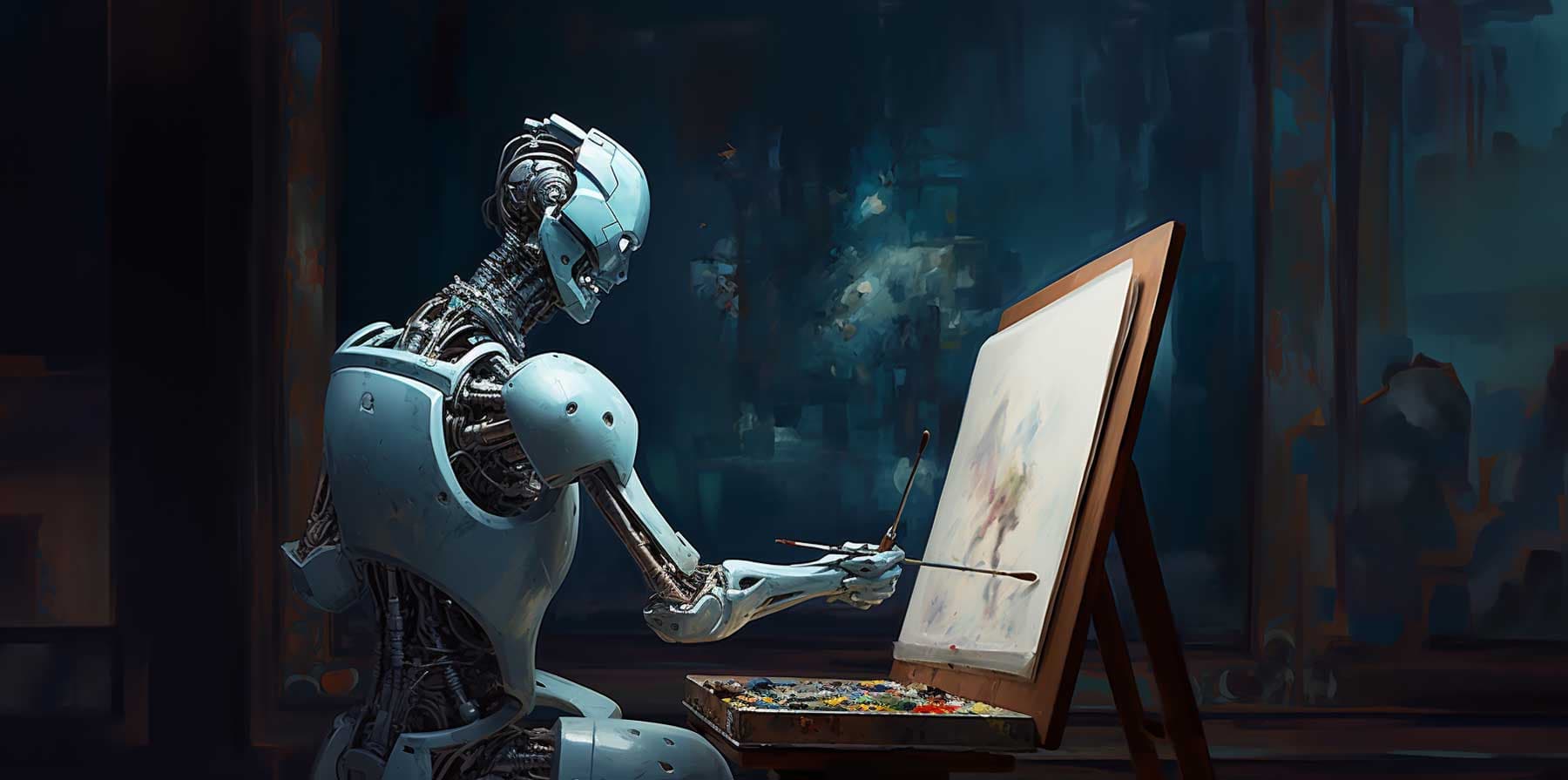
AI and Digital Art Creation
AI art generation typically involves algorithms and models that analyze existing artworks to create new pieces. These systems leverage techniques such as machine learning, neural networks, and deep learning to understand and replicate artistic styles and techniques. By training on vast datasets of images, AI can identify patterns and features that characterize various artistic movements, styles, and individual artists.
One of the most notable advancements in this field is the development of Generative Adversarial Networks (GANs). GANs consist of two neural networks—the generator and the discriminator—that work against each other. The generator creates images, while the discriminator evaluates them against real images. This iterative process helps the generator improve over time, resulting in increasingly sophisticated and original artworks.
The Creative Process of AI
While AI can produce visually stunning pieces, the question remains: can it truly be considered “creative”? Traditional definitions of creativity often emphasize the role of human emotion, experience, and intention. AI, in contrast, operates through data analysis and algorithmic processes without genuine understanding or emotional engagement.
AI-generated art often reflects the styles and themes present in the training data. For instance, if an AI model is trained predominantly on Impressionist paintings, it is likely to generate works that exhibit similar characteristics—soft brush strokes, light play, and a focus on everyday scenes. However, this replication raises questions about originality. Is a piece of art truly original if it is merely a recombination of existing styles and influences?
The Role of Human Input
AI’s artistic capabilities are often enhanced by human input. Artists and designers frequently collaborate with AI systems, using them as tools to explore new creative avenues. This partnership can lead to innovative outcomes that blend human intuition with AI’s analytical prowess.
For example, a musician might use AI to generate melodies or harmonies that inspire new compositions. In visual arts, artists can employ AI to create backgrounds or generate color palettes, allowing them to focus on other aspects of their work. In these scenarios, AI acts as a collaborator rather than a replacement, supporting human creativity rather than supplanting it.
The Debate on Authenticity
The question of authenticity is central to the discussion about AI-generated art. Many argue that true art requires a human touch—an emotional connection or a narrative that resonates with viewers. AI lacks the capacity for emotions, experiences, or intentions, leading some to dismiss its creations as mere imitations.
Conversely, proponents of AI-generated art contend that the medium through which art is created does not diminish its value. They argue that the creative process is evolving, and AI represents a new frontier in artistic expression. Just as photography and digital art were once met with skepticism, AI-generated art challenges existing paradigms and invites us to reconsider our definitions of creativity and originality.
Examples of AI Art
Several prominent examples highlight AI’s ability to create original art. Notable projects include:
- DeepDream: Developed by Google, DeepDream is an AI program that enhances and modifies images to create dream-like visuals. It identifies and amplifies patterns in images, resulting in surreal and often psychedelic artworks.
- The Next Rembrandt: This project involved using AI to analyze the works of the Dutch master Rembrandt. The AI studied his style, techniques, and color palettes to create a new painting that mimicked his approach. The resulting piece was unveiled in 2016 and sparked discussions about authorship and originality.
- Artbreeder: This platform allows users to collaborate with AI to create unique images by combining and modifying existing ones. Users can adjust parameters such as style, color, and composition, resulting in a collective blend of human input and AI generation.
- DALL-E: Developed by OpenAI, DALL-E generates images from textual descriptions, showcasing the potential for AI to create art based on human ideas. Users can input phrases or concepts, and DALL-E produces corresponding visuals, demonstrating a novel approach to artistic creation.
The Philosophical Implications
The rise of AI-generated art prompts philosophical inquiries about the nature of creativity itself. If machines can produce works that resonate with human audiences, what does this mean for our understanding of artistic expression? Can creativity exist without consciousness?
Some philosophers argue that creativity is inherently tied to human experience. They assert that art is a reflection of the artist’s emotions, thoughts, and cultural context, elements that AI cannot replicate. Others contend that creativity is a broader concept that encompasses not only human endeavors but also machine-generated outputs.
This debate challenges us to reconsider our preconceived notions of what it means to be creative. As AI continues to evolve, it may redefine the boundaries of artistic expression, merging human and machine contributions in ways previously unimaginable.
The Future of AI and Art
Looking ahead, the relationship between AI and art is likely to become even more integrated. As technology advances, AI systems will become increasingly sophisticated, capable of producing works that challenge the boundaries of traditional artistic forms. This evolution may lead to entirely new genres and movements within the art world.
Moreover, AI could democratize the creative process, making art more accessible to individuals without formal training. As AI tools become more user-friendly, a broader range of voices may emerge, enriching the artistic landscape with diverse perspectives and ideas.
Ethical Considerations
While the potential for AI in art is exciting, it also raises ethical concerns. Questions about authorship, ownership, and the commodification of art become increasingly relevant. Who owns a piece of art generated by an AI? Is it the programmer, the user who input the data, or the AI itself? Legal frameworks may need to adapt to address these issues as AI-generated art becomes more prevalent.
Additionally, the potential for AI to perpetuate biases present in the data raises concerns about representation in the art world. If AI is trained on datasets that lack diversity, its outputs may reflect and reinforce existing stereotypes and inequalities. Ensuring that AI art systems are developed with inclusivity in mind is essential for fostering a more equitable creative landscape.
Conclusion
The question of whether AI can create original art invites us to explore the intersection of technology and creativity. While AI-generated art may lack the emotional depth associated with human expression, it offers a new realm of possibilities for artistic exploration and collaboration. As we navigate this evolving landscape, it is crucial to engage in thoughtful discussions about authenticity, authorship, and the broader implications of AI on artistic practices.
AI’s role in the creative process challenges us to redefine our understanding of creativity and artistic expression. By embracing the potential of AI while remaining mindful of its limitations, we can foster a rich dialogue that celebrates both human ingenuity and technological advancement. The future of art may indeed be a collaborative endeavor, blending the best of both worlds in a harmonious and innovative way.