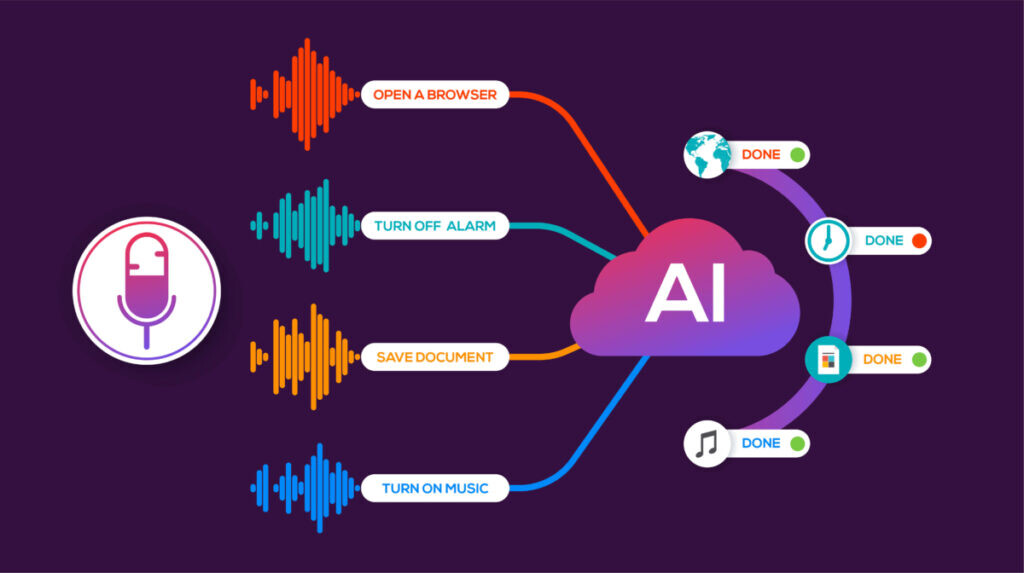
The integration of AI voice technologies into existing systems and workflows presents a myriad of challenges. While these technologies offer significant advantages, such as improved efficiency, enhanced user experiences, and automation of repetitive tasks, their deployment is not without hurdles. This comprehensive analysis explores the key challenges organizations face when integrating AI voice technologies, along with potential strategies for overcoming them.
1. Technical Compatibility
Challenge:
One of the primary challenges in integrating AI voice technologies is the technical compatibility between new AI systems and existing infrastructure. Many organizations operate on legacy systems that may not support the latest AI advancements. This can lead to difficulties in data sharing, processing, and communication between different components.
Solution:
To address compatibility issues, organizations can invest in middleware solutions that facilitate communication between legacy systems and new AI voice technologies. Additionally, adopting cloud-based platforms can provide a more flexible infrastructure that supports various AI applications. Organizations should also conduct thorough assessments of their existing systems to identify potential integration points and develop a clear roadmap for migration.

2. Data Quality and Management
Challenge:
AI voice technologies require high-quality data to function effectively. Poor data quality can lead to inaccurate voice recognition, misinterpretation of commands, and suboptimal user experiences. Organizations often struggle with data silos, where valuable voice and text data are trapped in different departments or systems, making it difficult to curate a comprehensive dataset.
Solution:
Organizations should implement robust data management practices that focus on data quality, accessibility, and governance. This includes standardizing data formats, ensuring data cleanliness, and establishing protocols for data sharing across departments. Investing in data management tools that facilitate data integration and analysis can also help organizations create a unified dataset for training AI voice systems.
3. User Acceptance and Adoption
Challenge:
User acceptance is crucial for the successful integration of AI voice technologies. Employees and customers may be resistant to adopting new technologies due to concerns about reliability, privacy, and the potential for job displacement. Additionally, some users may find AI voice interfaces less intuitive than traditional methods of interaction.
Solution:
To foster acceptance, organizations should involve users in the development and testing phases of AI voice technology implementation. Providing training sessions to familiarize users with the technology can increase comfort levels and ease the transition. Communicating the benefits of AI voice systems, such as improved efficiency and time savings, can also help alleviate concerns. Creating a feedback loop where users can share their experiences and suggestions for improvement can further enhance adoption.

4. Privacy and Security Concerns
Challenge:
AI voice technologies often involve the collection and processing of sensitive user data, raising significant privacy and security concerns. Users may worry about how their voice data is stored, used, and shared, leading to skepticism about the implementation of AI voice systems.
Solution:
Organizations must prioritize privacy and security by implementing stringent data protection measures. This includes encryption of voice data, regular security audits, and compliance with relevant regulations, such as GDPR or HIPAA. Transparency is also key; organizations should clearly communicate their data handling practices to users, ensuring they understand how their information will be used. Providing users with control over their data, such as the ability to delete their voice recordings, can further build trust.
5. Language and Accent Recognition
Challenge:
AI voice technologies often struggle with language and accent recognition, which can lead to miscommunication and frustration for users. Non-standard accents, dialects, and languages may not be well-represented in training datasets, resulting in biased voice recognition capabilities.
Solution:
To improve language and accent recognition, organizations should invest in diverse training datasets that include a wide range of accents and languages. Collaborating with linguists and language experts can also enhance the understanding of language nuances. Continuous learning models that adapt to user speech patterns over time can further improve recognition accuracy. Providing users with the option to select their preferred language and accent can also enhance the user experience.
6. Integration with Existing Workflows
Challenge:
Integrating AI voice technologies into existing workflows can be complex and disruptive. Organizations often have established processes that may be at odds with the capabilities of new voice technologies, leading to inefficiencies and confusion.
Solution:
A phased approach to integration can help mitigate disruptions. Organizations should start with pilot projects that test AI voice technologies in specific use cases before scaling up. This allows for the identification of potential workflow bottlenecks and the opportunity to adjust processes accordingly. Engaging employees in redesigning workflows to incorporate AI voice technologies can also ensure smoother transitions and greater acceptance.

7. Maintaining Context and Continuity
Challenge:
AI voice technologies often struggle to maintain context and continuity in conversations. This can result in frustration for users, as the system may fail to understand follow-up questions or reference previous interactions.
Solution:
Organizations can enhance context maintenance by implementing advanced natural language processing (NLP) techniques that allow AI systems to track conversation history. Providing users with clear prompts and cues can also help guide interactions. Regular updates and improvements to the AI’s understanding of context can further enhance the user experience.
8. Limited Customization and Personalization
Challenge:
Many AI voice systems lack the ability to customize and personalize interactions based on individual user preferences. This can lead to generic responses that do not resonate with users, reducing engagement and satisfaction.
Solution:
Organizations should invest in AI voice technologies that allow for personalization. This includes enabling users to customize their voice assistant’s personality, tone, and response style. Collecting user feedback and preferences can help tailor interactions, making them more relevant and engaging. Additionally, incorporating user data to inform personalized responses can enhance the overall experience.
9. Cost Implications
Challenge:
Integrating AI voice technologies can be a significant financial investment, encompassing costs related to software, hardware, training, and ongoing maintenance. Smaller organizations, in particular, may struggle to allocate sufficient resources for implementation.
Solution:
To manage costs, organizations can explore cloud-based AI voice solutions that offer scalability and flexibility without the need for extensive upfront investments. Leveraging existing infrastructure and gradually phasing in new technologies can also help spread costs over time. Seeking partnerships with technology vendors may provide access to discounts or bundled services, reducing overall expenditure.
10. Compliance with Regulatory Standards
Challenge:
Organizations must navigate various regulatory standards when implementing AI voice technologies, particularly concerning data privacy and security. Compliance with laws such as GDPR, HIPAA, and others can be complex and time-consuming.
Solution:
Establishing a dedicated compliance team to monitor and ensure adherence to regulatory standards is essential. Organizations should conduct regular audits and assessments of their AI systems to identify potential compliance issues. Collaborating with legal experts who specialize in technology and data privacy can also provide valuable guidance and help mitigate risks.

11. Performance Monitoring and Evaluation
Challenge:
Once integrated, organizations often struggle to monitor and evaluate the performance of AI voice technologies effectively. Without proper metrics and evaluation frameworks, it can be challenging to assess ROI and make informed decisions about future investments.
Solution:
Organizations should establish clear performance indicators and metrics to evaluate the effectiveness of AI voice systems. This may include measuring user satisfaction, response accuracy, and efficiency improvements. Regular performance reviews and user feedback can help identify areas for enhancement and inform ongoing development efforts.
12. Keeping Up with Rapid Technological Changes
Challenge:
The field of AI voice technology is rapidly evolving, with new advancements and trends emerging regularly. Organizations may struggle to keep pace with these changes, leading to outdated systems and missed opportunities.
Solution:
To stay current, organizations should foster a culture of continuous learning and innovation. This includes encouraging employees to participate in training programs, workshops, and industry conferences. Keeping an eye on emerging trends and technologies, along with engaging in partnerships with tech innovators, can help organizations remain competitive in the AI voice landscape.
Conclusion
Integrating AI voice technologies into existing systems and workflows presents several challenges, ranging from technical compatibility and data quality to user acceptance and compliance with regulations. However, by adopting a strategic approach that includes thorough planning, user involvement, and ongoing evaluation, organizations can successfully navigate these hurdles. As AI voice technologies continue to advance, addressing these challenges will be crucial for maximizing their potential and enhancing user experiences across various industries. Embracing these technologies while remaining mindful of the associated challenges can position organizations for success in the digital age.
