Artificial Intelligence (AI) has evolved significantly, leading to the development of various types of AI agents designed to perform specific tasks. Among these agents, reactive AI and proactive AI stand out due to their differing approaches to decision-making. Understanding the distinctions between these two categories is crucial for designing effective AI systems tailored to specific applications. This exploration will delve into the characteristics, decision-making processes, advantages, and limitations of reactive and proactive AI agents.
1. Reactive AI Agents
1.1 Definition
Reactive AI agents operate primarily on a stimulus-response basis. They respond to specific inputs from their environment without maintaining an internal model or memory of past interactions. These agents make decisions based solely on the current state of the environment.
1.2 Characteristics
- Simplicity: Reactive agents are often simpler to design and implement, as they rely on straightforward rules or algorithms.
- Real-time Response: They excel in scenarios requiring immediate responses, making them suitable for tasks like game AI or basic robotics.
- Limited Context Awareness: Reactive agents do not retain information about past events, which limits their ability to adapt based on previous experiences.
1.3 Decision-Making Process
The decision-making process for reactive agents involves the following steps:
- Perception: The agent perceives the current state of the environment through sensors or inputs.
- Rule Evaluation: Based on predefined rules or algorithms, the agent evaluates the current state.
- Action Execution: The agent executes an action in response to the evaluated state without considering historical data.
1.4 Examples
- Game AI: Many video games use reactive AI to control non-player characters (NPCs) that respond to player actions without complex strategies.
- Simple Robotics: Reactive robots can navigate obstacles using sensors to detect nearby objects and react accordingly.

2. Proactive AI Agents
2.1 Definition
Proactive AI agents, in contrast, exhibit more sophisticated decision-making capabilities. They not only respond to environmental stimuli but also anticipate future events and take actions based on predictions and goals.
2.2 Characteristics
- Complexity: Proactive agents are generally more complex due to their ability to model the environment, predict outcomes, and plan actions.
- Goal-Oriented Behavior: These agents operate with specific objectives in mind, allowing them to prioritize actions based on long-term benefits.
- Learning and Adaptation: Proactive agents often utilize machine learning techniques to adapt their behavior based on past experiences and new information.
2.3 Decision-Making Process
The decision-making process for proactive agents involves several steps:
- Perception: The agent gathers data about the environment, similar to reactive agents.
- Internal Modeling: The agent creates an internal representation of the environment, including past experiences and potential future states.
- Prediction: Based on the internal model, the agent forecasts future events and outcomes.
- Planning: The agent formulates a plan of action that aligns with its goals, considering different scenarios and potential consequences.
- Action Execution: The agent executes the chosen action, adjusting its plan as necessary based on new information.
2.4 Examples
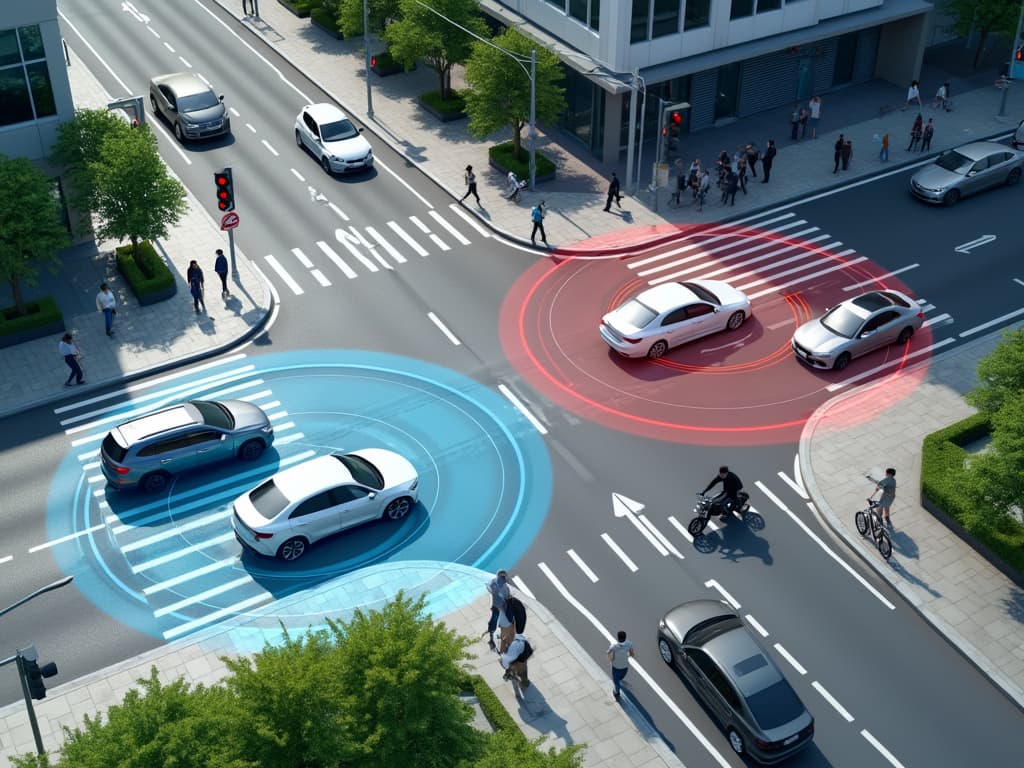
- Autonomous Vehicles: Proactive AI systems in self-driving cars predict traffic patterns, anticipate obstacles, and navigate routes to reach destinations efficiently.
- Personal Assistants: AI assistants like Siri or Google Assistant anticipate user needs by learning from past interactions and suggesting actions accordingly.
3. Key Differences in Decision-Making Capabilities
3.1 Memory and Experience
- Reactive AI: Lacks memory and does not learn from past interactions. Decisions are made in the moment based solely on current inputs.
- Proactive AI: Maintains memory and learns from experiences. It uses historical data to inform future decisions, allowing for more nuanced and context-aware actions.
3.2 Adaptability
- Reactive AI: Limited adaptability due to its reliance on fixed rules. It struggles to cope with unexpected situations that fall outside its programmed responses.
- Proactive AI: Highly adaptable, as it can adjust its strategies based on new information and changing environments. This adaptability is a key strength in dynamic contexts.
3.3 Planning and Goal-Orientation
- Reactive AI: Operates without explicit goals, responding to stimuli as they arise. It lacks foresight and cannot anticipate future needs or challenges.
- Proactive AI: Goal-oriented and capable of planning. It considers long-term objectives and formulates strategies to achieve them, leading to more effective problem-solving.
3.4 Complexity and Resource Requirements
- Reactive AI: Generally less computationally intensive, requiring fewer resources due to the simplicity of its decision-making processes.
- Proactive AI: Typically more complex and resource-demanding, as it involves advanced algorithms, machine learning, and data processing capabilities.
3.5 Use Cases and Applications
- Reactive AI: Suited for applications requiring quick responses to immediate events, such as basic gaming, simple automation, or real-time monitoring.
- Proactive AI: Ideal for contexts where prediction, planning, and adaptability are crucial, such as autonomous driving, personal assistants, and advanced robotics.

4. Advantages and Limitations
4.1 Advantages of Reactive AI
- Simplicity: Easier to design and deploy for straightforward tasks.
- Speed: Capable of instant responses, making it suitable for real-time applications.
- Lower Costs: Generally more cost-effective due to reduced computational requirements.
4.2 Limitations of Reactive AI
- Lack of Context: Inability to consider historical data can lead to suboptimal decisions.
- Inflexibility: Struggles to adapt to new situations outside its programming.
- No Learning: Lacks the ability to improve over time or learn from experiences.
4.3 Advantages of Proactive AI
- Contextual Awareness: Capable of making informed decisions based on historical data and environmental modeling.
- Adaptability: Learns and adjusts to new information, improving performance over time.
- Goal Achievement: Focused on long-term objectives, leading to more strategic decision-making.
4.4 Limitations of Proactive AI
- Complexity: More challenging to design and implement, requiring advanced algorithms and data management.
- Higher Resource Requirements: Demands more computational power and data to operate effectively.
- Potential for Overfitting: If not designed carefully, proactive systems may become overly reliant on historical data, leading to poor performance in novel situations.
Conclusion
The distinctions between reactive and proactive AI agents are pivotal in understanding their respective decision-making capabilities. Reactive AI excels in simplicity and speed, making it suitable for straightforward tasks requiring immediate responses. In contrast, proactive AI agents offer advanced decision-making capabilities through memory, learning, and planning, allowing them to adapt and respond effectively to complex and dynamic environments.
As AI technology continues to advance, the choice between reactive and proactive agents will depend on the specific requirements of the task at hand. Understanding these differences empowers designers and developers to create AI systems that are better suited to their intended applications, ultimately leading to more effective and efficient solutions across various domains.