The rise of digital humans—realistic, computer-generated avatars powered by artificial intelligence (AI)—has transformed various domains, from gaming and customer service to social media and entertainment. As these digital entities become more prevalent, a pressing question arises: do they threaten real-life social interaction? This exploration examines the impact of digital humans on human relationships, communication patterns, and societal dynamics, ultimately assessing the potential risks and benefits associated with their integration into daily life.
1. Understanding Digital Humans
1.1 Definition of Digital Humans
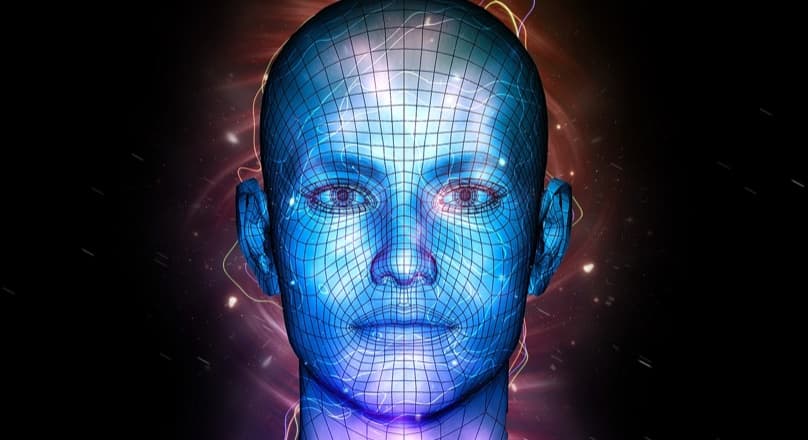
Digital humans are virtual avatars that simulate human appearance and behavior, often enhanced by AI technologies that allow for interactive and lifelike experiences. They can engage in conversations, express emotions, and even adapt to user preferences, making them increasingly realistic and relatable.
1.2 Applications of Digital Humans
Digital humans are employed across various sectors, including:
- Customer Support: Many companies use digital humans as virtual assistants to interact with customers, answer questions, and provide information.
- Entertainment: In video games and virtual environments, digital humans serve as characters that enhance storytelling and player engagement.
- Social Media: Some influencers are entirely digital, created to engage audiences with curated content and interactions.
2. The Evolution of Social Interaction
2.1 Historical Context
Social interaction has evolved significantly with technology. From the invention of the telephone to the rise of social media, each advancement has reshaped how people connect. Digital humans represent the latest evolution in this ongoing transformation.
2.2 Changing Communication Patterns
The emergence of digital communication tools has altered how relationships are formed and maintained. While these tools provide convenience and accessibility, they can also lead to superficial interactions, as face-to-face communication diminishes.
3. The Impact of Digital Humans on Social Interaction
3.1 Enhancing Accessibility
Digital humans can enhance accessibility to social interaction, particularly for individuals who may struggle with traditional communication methods:
- Support for Individuals with Social Anxiety: Digital humans can provide a less intimidating platform for social engagement, allowing those with social anxiety to interact more comfortably.
- Inclusivity: Digital humans can represent diverse backgrounds and identities, helping individuals feel seen and understood in ways that conventional interactions might not.
3.2 Companionship and Connection
Digital humans can serve as companions, providing emotional support and connection in various contexts:
- Virtual Companions: AI-driven digital humans, like chatbots or virtual pets, can offer companionship, particularly for individuals who may feel isolated.
- Emotional Engagement: Some digital humans are designed to recognize and respond to emotions, fostering a sense of connection that can mitigate loneliness.
3.3 Shifting Relationship Dynamics
The introduction of digital humans can alter existing relationship dynamics:
- Substitution for Human Interaction: In some cases, individuals may prefer engaging with digital humans over real people, leading to reduced face-to-face interactions.
- Changing Expectations of Relationships: As digital humans become more lifelike, people may begin to expect similar levels of engagement and emotional response from their human interactions, potentially leading to dissatisfaction in real-life relationships.
4. Potential Threats to Real-Life Social Interaction
4.1 Superficial Connections
One of the primary concerns regarding digital humans is the potential for superficial connections:
- Reduced Depth of Interaction: Engaging with digital humans may lead individuals to prioritize convenience over meaningful relationships, resulting in shallower connections.
- Erosion of Communication Skills: Relying on digital humans for social interaction may diminish individuals’ ability to navigate complex human relationships, impacting their communication skills.
4.2 Isolation and Loneliness
While digital humans can provide companionship, they may also contribute to feelings of isolation:
- Substitution for Genuine Relationships: Individuals who rely heavily on digital humans may neglect real-life relationships, leading to increased feelings of loneliness.
- False Sense of Connection: Interactions with digital humans may create a false sense of connection, preventing individuals from seeking out meaningful human relationships.
4.3 Dependency on Technology
As digital humans become more integrated into daily life, there is a risk of increased dependency on technology for social interaction:
- Diminished Human Interaction: Overreliance on digital humans for companionship or support may lead to a decline in face-to-face interactions, further eroding social skills.
- Impact on Mental Health: A heavy reliance on digital humans for emotional support may have negative implications for mental health, as these interactions lack the depth and complexity of human relationships.
5. The Role of Digital Humans in Positive Social Interaction
5.1 Facilitating Communication
Digital humans can enhance communication in various ways:
- Language Translation: AI-driven digital humans can facilitate communication between individuals who speak different languages, breaking down barriers and fostering understanding.
- Mediating Difficult Conversations: In sensitive situations, digital humans can help mediate conversations, providing a neutral party that can ease tensions.
5.2 Educational Tools
Digital humans can serve as educational tools, enhancing learning experiences and promoting social skills:
- Teaching Empathy: Interactive digital humans can help individuals practice empathy and social skills in a safe environment, preparing them for real-life interactions.
- Role-Playing Scenarios: Digital humans can simulate various social situations, allowing users to develop their communication skills and confidence.
5.3 Bridging Gaps in Access
For individuals in remote or underserved areas, digital humans can provide access to social interaction and support:
- Telehealth Services: Digital humans can facilitate mental health support and counseling, offering individuals access to care that may not be available locally.
- Community Building: Virtual communities featuring digital humans can foster connections among individuals who may otherwise feel isolated.
6. Balancing Digital and Real-Life Interaction
6.1 Finding the Right Mix
To harness the benefits of digital humans while mitigating their potential threats, it is essential to find a balance between digital and real-life interactions:
- Setting Boundaries: Individuals should establish boundaries around their use of digital humans, ensuring that they do not replace genuine human relationships.
- Promoting Awareness: Encouraging awareness of the differences between digital and real-life interactions can help individuals navigate their social landscapes more effectively.
6.2 Encouraging Healthy Habits
Fostering healthy social habits can enhance real-life interactions while integrating digital humans into daily life:
- Mindful Engagement: Individuals should practice mindful engagement with digital humans, recognizing when to seek out real-life interactions instead.
- Community Involvement: Encouraging participation in community activities can help individuals form meaningful connections beyond the digital realm.
6.3 Role of Educators and Developers
Educators and developers play a crucial role in shaping how digital humans are integrated into society:
- Promoting Digital Literacy: Teaching individuals about the implications of digital interactions can empower them to make informed choices regarding their social engagements.
- Creating Ethical Frameworks: Developers should prioritize ethical considerations when designing digital humans, ensuring they enhance rather than detract from real-life interactions.
7. The Future of Digital Humans and Social Interaction
7.1 Evolving Technology
As technology continues to evolve, the role of digital humans in social interaction will likely expand:
- Improved Realism: Advances in AI and graphics will enhance the realism of digital humans, making them even more engaging and relatable.
- Increased Integration: Digital humans may become more integrated into various aspects of life, from education and therapy to entertainment and socialization.
7.2 Societal Adaptation
Society will need to adapt to the growing presence of digital humans:
- Cultural Norms: As digital humans become more common, societal norms around interaction may evolve, influencing how people relate to both digital and real-life entities.
- Policy Development: Governments and organizations may need to develop policies addressing the implications of digital humans on social interaction, mental health, and privacy.
7.3 Ongoing Research
Continued research will be essential in understanding the impact of digital humans on social interaction:
- Longitudinal Studies: Conducting studies that track the effects of digital human interaction on real-life relationships over time can provide valuable insights.
- Interdisciplinary Approaches: Collaboration between fields such as psychology, sociology, and technology will be crucial in understanding the complexities of digital-human interactions.
Conclusion
The rise of digital humans presents both opportunities and challenges for real-life social interaction. While they can enhance accessibility, provide companionship, and facilitate communication, they also pose risks of superficial connections, isolation, and dependency on technology. Striking a balance between digital and real-life interactions is essential for fostering meaningful relationships and ensuring that digital humans enhance, rather than detract from, human connections. As technology evolves, ongoing research and ethical considerations will be crucial in navigating the complexities of this new landscape. Ultimately, the future of digital humans in social interaction depends on our ability to harness their potential while prioritizing genuine human connections.