The digital art landscape is evolving rapidly, driven by advancements in technology, a growing demand for visual content, and the rise of new platforms for artistic expression. As a result, the field of digital art is witnessing the emergence of various job roles that blend creativity with technology. This article explores the emerging job roles in digital art, highlighting their significance, required skills, and potential career paths.
The Evolution of Digital Art
Overview of Digital Art
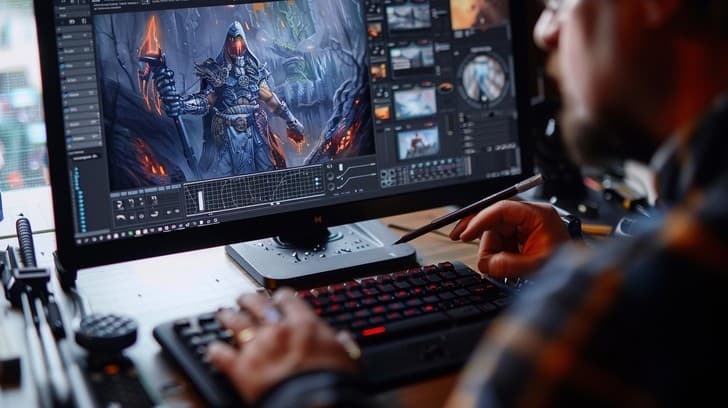
Digital art encompasses a wide range of artistic practices that use digital technology as a primary tool for creation. This includes illustrations, animations, 3D models, and interactive experiences. The advent of software like Adobe Creative Suite, along with hardware advancements such as tablets and graphics cards, has revolutionized how artists create and share their work.
Technological Advancements
Recent technological advancements have significantly influenced the digital art landscape, leading to the emergence of new tools and platforms. Key advancements include:
- Artificial Intelligence (AI): AI-powered tools assist artists in generating content, enhancing images, and automating repetitive tasks.
- Augmented Reality (AR) and Virtual Reality (VR): These technologies have opened new avenues for immersive art experiences, allowing artists to create interactive environments.
- Blockchain: The rise of NFTs (non-fungible tokens) has transformed the way digital art is bought, sold, and owned, creating new economic opportunities for artists.
Emerging Job Roles in Digital Art
As the digital art field evolves, several new job roles are emerging, each requiring a unique set of skills and expertise. Below are some of the most notable emerging job roles in digital art:
1. Concept Artist
Overview
Concept artists play a crucial role in the pre-production phase of visual media, such as films, video games, and animations. They are responsible for creating visual representations of characters, environments, and props based on scripts or design briefs.
Key Responsibilities
- Developing character designs, environments, and visual storytelling elements.
- Collaborating with directors, writers, and other artists to align concepts with the overall vision.
- Creating mood boards and style guides to establish the visual direction.
Required Skills
- Proficiency in digital painting and illustration software (e.g., Adobe Photoshop, Corel Painter).
- Strong understanding of color theory, composition, and anatomy.
- Ability to communicate ideas visually and adapt to feedback.
2. 3D Modeler
Overview
3D modelers create three-dimensional representations of objects and characters for various applications, including gaming, film, and virtual reality. This role involves using specialized software to build, texture, and rig models.
Key Responsibilities
- Creating detailed 3D models based on concept art or design specifications.
- Applying textures, materials, and lighting to enhance realism.
- Collaborating with animators and riggers to prepare models for animation.
Required Skills
- Proficiency in 3D modeling software (e.g., Autodesk Maya, Blender, ZBrush).
- Understanding of modeling techniques, UV mapping, and texturing.
- Familiarity with animation principles and rigging.
3. Motion Graphics Designer
Overview
Motion graphics designers create animated graphics and visual effects for various media, including advertisements, films, and online content. They combine graphic design skills with animation techniques to produce engaging visual narratives.
Key Responsibilities
- Designing and animating graphics for video projects, websites, or presentations.
- Collaborating with video editors and producers to integrate motion graphics into final products.
- Staying updated on design trends and software advancements.
Required Skills
- Proficiency in motion graphics software (e.g., Adobe After Effects, Cinema 4D).
- Strong graphic design skills, including typography and layout.
- Understanding of animation principles and timing.
4. UI/UX Designer
Overview
UI (User Interface) and UX (User Experience) designers focus on creating intuitive and visually appealing interfaces for digital products, such as websites and applications. Their goal is to enhance user satisfaction by improving usability and accessibility.
Key Responsibilities
- Conducting user research and usability testing to inform design decisions.
- Designing wireframes, prototypes, and high-fidelity mockups.
- Collaborating with developers to ensure design fidelity during implementation.
Required Skills
- Proficiency in design tools (e.g., Sketch, Figma, Adobe XD).
- Understanding of user-centered design principles and best practices.
- Strong communication skills to articulate design concepts and decisions.
5. Digital Illustrator
Overview
Digital illustrators create artwork for various purposes, including books, magazines, branding, and advertising. They often work with clients to produce custom illustrations that convey specific messages or themes.
Key Responsibilities
- Creating original illustrations based on client briefs or personal projects.
- Collaborating with art directors and editors to align illustrations with project goals.
- Managing time effectively to meet deadlines and project requirements.
Required Skills
- Proficiency in illustration software (e.g., Adobe Illustrator, Procreate).
- Strong drawing skills and a unique artistic style.
- Ability to adapt to different styles and themes based on project needs.
6. Game Artist
Overview
Game artists focus on creating visual assets for video games, including characters, environments, and user interfaces. This role requires collaboration with game designers and developers to ensure artistic vision aligns with gameplay mechanics.
Key Responsibilities
- Designing and creating 2D and 3D assets for games.
- Collaborating with animators to ensure assets are properly rigged and animated.
- Participating in brainstorming sessions to develop visual concepts.
Required Skills
- Proficiency in tools specific to game development (e.g., Unity, Unreal Engine).
- Understanding of game design principles and player experience.
- Strong artistic skills in both 2D and 3D art.
7. NFT Artist
Overview
NFT artists create digital artworks that are sold as non-fungible tokens on blockchain platforms. This role has emerged with the rise of the NFT market, providing artists with new avenues for monetizing their work.
Key Responsibilities
- Creating unique digital art pieces for sale as NFTs.
- Navigating blockchain technology and NFT marketplaces.
- Engaging with the online community and marketing artworks.
Required Skills
- Proficiency in digital art creation tools and techniques.
- Understanding of blockchain technology and NFT platforms (e.g., OpenSea, Rarible).
- Strong branding and marketing skills to promote artworks effectively.
8. Augmented Reality (AR) Artist
Overview
AR artists specialize in creating interactive and immersive experiences that blend digital elements with the real world. This role involves designing visuals for AR applications and experiences.
Key Responsibilities
- Developing 3D models, animations, and graphics for AR applications.
- Collaborating with developers to integrate art into AR platforms.
- Conceptualizing interactive experiences that engage users.
Required Skills
- Proficiency in AR development tools (e.g., Unity, Vuforia).
- Strong 3D modeling and animation skills.
- Understanding of user experience design in AR environments.
9. Art Director
Overview
Art directors oversee the visual aspects of projects, guiding teams of artists and designers to achieve a cohesive artistic vision. This role is crucial in industries such as advertising, film, and video games.
Key Responsibilities
- Leading creative teams in developing visual concepts and styles.
- Reviewing and providing feedback on artwork and designs.
- Collaborating with clients and stakeholders to ensure alignment with project goals.
Required Skills
- Strong leadership and communication skills.
- Extensive knowledge of design principles and industry trends.
- Experience in project management and team collaboration.
10. Creative Technologist
Overview
Creative technologists bridge the gap between art and technology, using technical skills to create innovative artistic experiences. They often work in interactive installations, digital media, and experiential design.
Key Responsibilities
- Developing interactive installations and experiences using technology.
- Collaborating with artists and designers to implement creative concepts.
- Staying updated on emerging technologies and their applications in art.
Required Skills
- Proficiency in programming languages (e.g., JavaScript, Python) and tools for interactive design.
- Understanding of digital media and interactive art principles.
- Strong problem-solving skills and creativity.
The Importance of Continuous Learning
As the digital art field evolves, professionals must engage in continuous learning to stay relevant. Emerging technologies and trends require artists to adapt and develop new skills. Here are some key areas for ongoing education:
1. Online Courses and Tutorials
Many platforms offer online courses and tutorials focusing on specific tools, techniques, and trends in digital art. Websites like Coursera, Udemy, and Skillshare provide a wealth of resources for artists to enhance their skills.
2. Networking and Collaboration
Engaging with other artists and professionals in the field can foster collaboration and knowledge sharing. Attending workshops, conferences, and art events is a great way to build connections and learn from peers.
3. Keeping Up with Industry Trends
Staying informed about industry trends and technological advancements is crucial for digital artists. Following blogs, podcasts, and industry publications can help artists understand emerging tools and practices.
4. Experimentation and Personal Projects
Artists should continually experiment with new techniques and styles to expand their creativity. Personal projects can provide opportunities to explore ideas without the constraints of client work.
Conclusion
The field of digital art is rapidly evolving, resulting in the emergence of diverse job roles that blend creativity with technology. From concept artists and 3D modelers to NFT artists and AR creators, these roles offer exciting opportunities for artists to express themselves and contribute to various industries.
As technology continues to advance, the demand for skilled digital artists will grow. To thrive in this dynamic landscape, artists must embrace continuous learning, stay updated on industry trends, and be willing to adapt to new tools and techniques.
In this ever-changing environment, the fusion of art and technology will continue to shape the future of digital art, creating new opportunities for artists to innovate and connect with audiences worldwide. Whether through traditional digital art forms or emerging technologies, the possibilities for creative expression are limitless.