Artificial Intelligence (AI) agents are revolutionizing the modern workplace by augmenting human capabilities and streamlining various processes. These intelligent systems leverage advanced algorithms and data analysis to perform tasks that enhance productivity and improve collaborative efforts among teams. This comprehensive exploration will delve into the myriad ways AI agents can boost human productivity and collaboration in the workplace.
1. Automating Routine Tasks
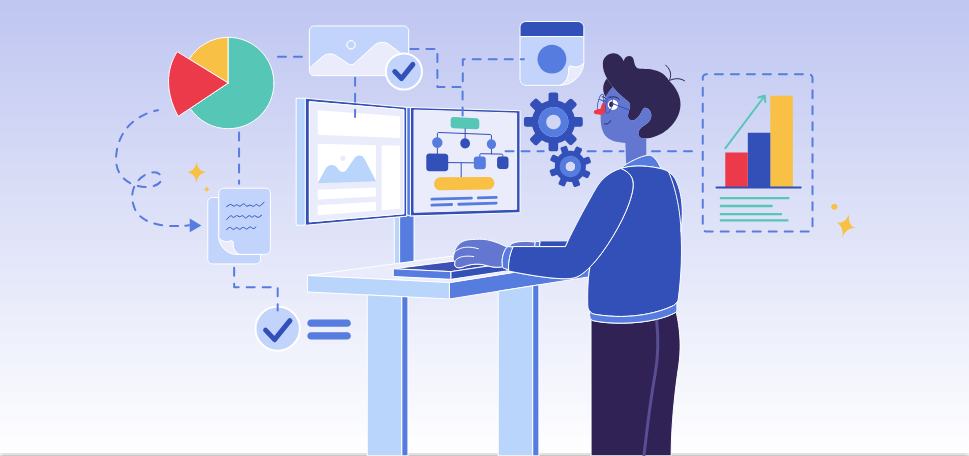
One of the primary ways AI agents enhance productivity is through automation. By taking over repetitive and mundane tasks, these agents free up valuable time for employees to focus on more strategic and creative activities.
1.1 Task Automation
AI agents can automate a wide range of tasks, from scheduling meetings to data entry. For instance, virtual assistants like Microsoft’s Cortana or Google Assistant can manage calendars, send reminders, and even book appointments, allowing employees to concentrate on higher-priority tasks.
1.2 Workflow Optimization
AI agents analyze workflows and identify bottlenecks or inefficiencies. By recommending process improvements, they enable teams to streamline operations, reduce time spent on tasks, and enhance overall productivity.
2. Enhanced Decision-Making
AI agents are capable of processing vast amounts of data quickly and accurately, providing insights that support better decision-making within organizations.
2.1 Data Analysis and Insights
AI agents can analyze historical data and identify trends that may not be immediately apparent to human analysts. For example, in marketing, AI-powered tools can assess consumer behavior and preferences, enabling teams to make informed decisions about campaigns and product launches.
2.2 Predictive Analytics
By utilizing predictive analytics, AI agents can forecast future trends and outcomes based on existing data. This capability allows organizations to proactively address potential challenges and seize opportunities, improving overall strategic planning and execution.
3. Personalized User Experience
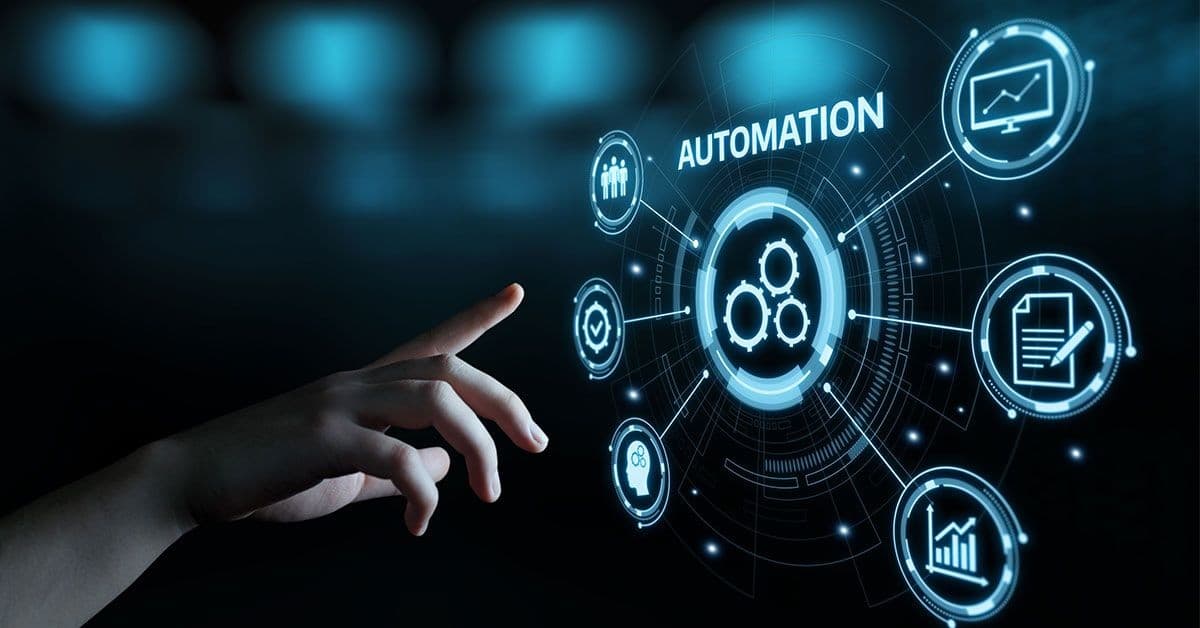
AI agents can tailor experiences based on individual preferences and behaviors, enhancing employee satisfaction and productivity.
3.1 Customizing Work Environments
AI agents can adapt digital workspaces to meet individual user needs. For instance, they can suggest relevant resources, tools, or documents based on a user’s role and past behavior, making it easier for employees to find what they need quickly.
3.2 Learning and Development
AI agents can recommend personalized learning paths for employees, suggesting training modules or resources that align with their career goals and current skill levels. This targeted approach to professional development fosters continuous learning and growth within the organization.
4. Facilitating Communication and Collaboration
Effective communication is essential for collaboration in the workplace. AI agents can enhance communication by providing tools that facilitate teamwork and information sharing.
4.1 Intelligent Communication Tools
AI-powered communication platforms, such as Slack or Microsoft Teams, often integrate AI agents that assist with message management, summarization, and even sentiment analysis. These tools help teams stay on the same page and respond to inquiries more effectively.
4.2 Virtual Collaboration Spaces
AI agents can create virtual collaboration spaces where teams can brainstorm, share ideas, and work together in real-time, regardless of their physical location. This capability is particularly valuable in remote work environments, fostering a sense of community and teamwork.
5. Enhancing Customer Interactions
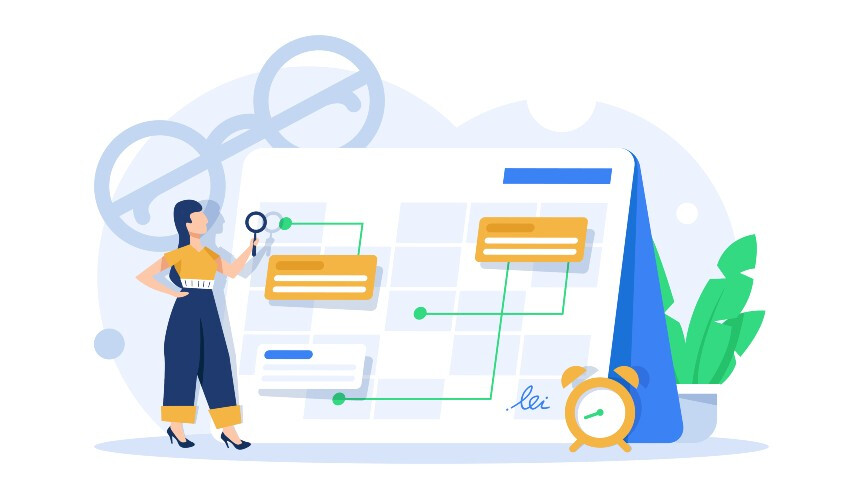
AI agents can also improve productivity by enhancing customer interactions, allowing employees to focus on complex or high-value tasks.
5.1 Chatbots and Virtual Assistants
AI agents in the form of chatbots can handle customer inquiries, providing instant responses to frequently asked questions. This not only improves customer satisfaction but also allows human agents to concentrate on more complex issues that require personal attention.
5.2 Sentiment Analysis
AI agents can analyze customer interactions to gauge sentiment and identify potential issues. By providing insights into customer satisfaction, organizations can address concerns proactively and improve service delivery.
6. Supporting Remote Work
As remote work becomes increasingly common, AI agents play a crucial role in supporting distributed teams.
6.1 Virtual Meeting Assistants
AI agents can enhance virtual meetings by managing schedules, taking notes, and summarizing discussions. Tools like Otter.ai or Zoom’s AI features help ensure that important information is captured and tasks are assigned effectively.
6.2 Time Management
AI agents can assist remote workers in managing their time by analyzing work patterns and suggesting optimal schedules. This helps employees maintain productivity while balancing personal and professional commitments.
7. Fostering Innovation
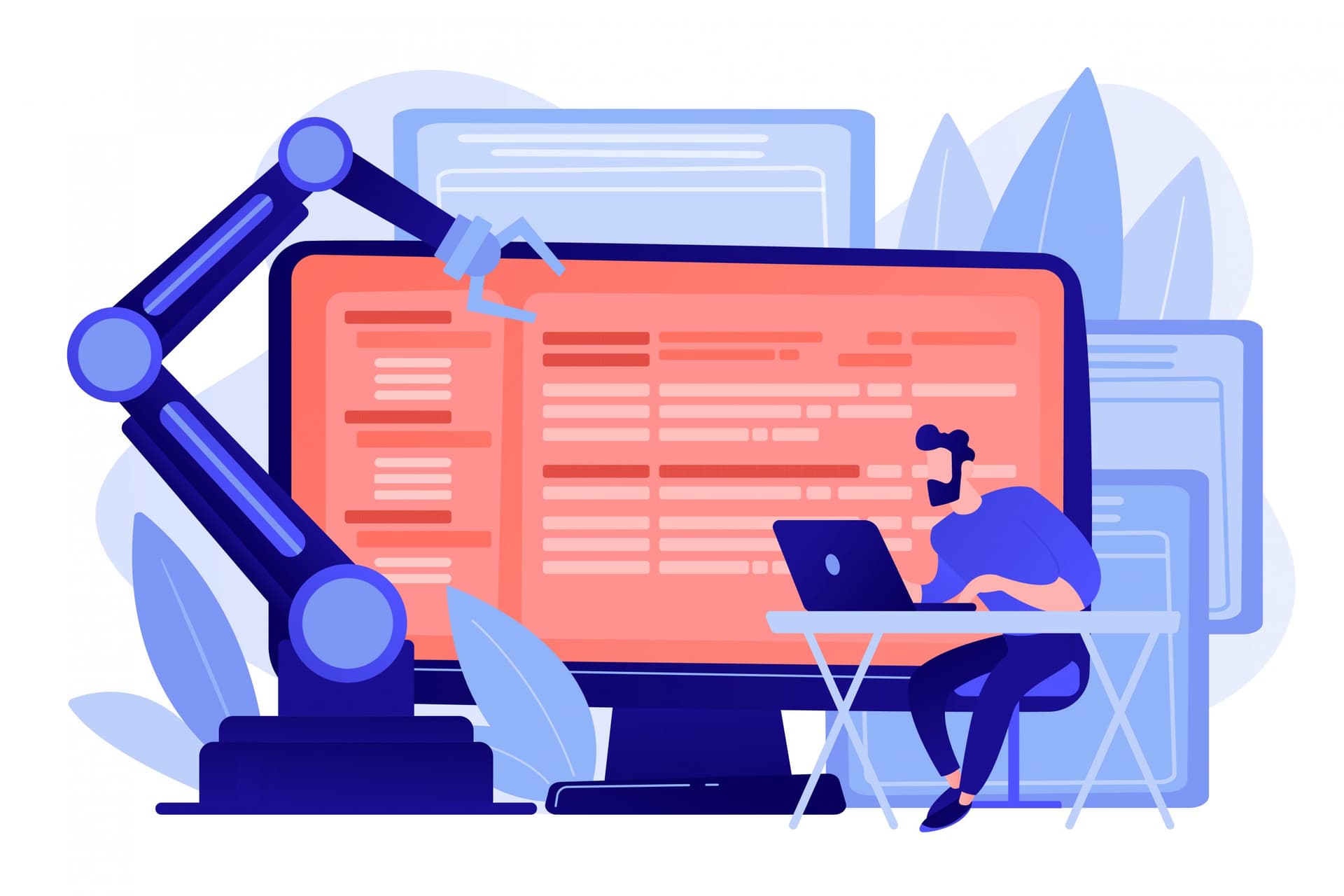
AI agents can drive innovation by facilitating creativity and idea generation within teams.
7.1 Brainstorming Assistance
AI agents can assist in brainstorming sessions by providing relevant data, insights, or even generating ideas based on existing knowledge. This collaborative approach can lead to more innovative solutions and strategies.
7.2 Research Support
AI agents can automate the research process, gathering information from various sources and presenting it in a digestible format. This enables teams to stay informed and inspired, fostering a culture of innovation and creativity.
8. Streamlining Project Management
Project management can be complex and time-consuming, but AI agents can simplify this process significantly.
8.1 Task Allocation and Tracking
AI agents can analyze team members’ workloads and skills to allocate tasks effectively. They can also track progress in real-time, providing updates and alerts when deadlines are approaching or when tasks are falling behind.
8.2 Risk Management
AI agents can identify potential risks in projects based on historical data and current trends. By alerting teams to these risks early, organizations can take proactive measures to mitigate them, ensuring smoother project execution.

9. Enhancing Employee Well-Being
AI agents can contribute to employee well-being, which in turn boosts productivity and collaboration.
9.1 Mental Health Support
AI-driven platforms can provide mental health resources, such as stress management tools or access to counseling services. By supporting employees’ mental well-being, organizations can foster a more engaged and productive workforce.
9.2 Work-Life Balance
AI agents can help employees maintain a healthy work-life balance by monitoring workloads and suggesting breaks or downtime when needed. This proactive approach to employee wellness can prevent burnout and promote long-term productivity.
10. Continuous Improvement and Feedback
AI agents can facilitate continuous improvement by gathering feedback and suggesting enhancements.
10.1 Performance Monitoring
AI agents can monitor individual and team performance, providing insights into areas for improvement. This data-driven approach allows organizations to identify training needs and optimize workflows.
10.2 Feedback Mechanisms
AI agents can streamline feedback processes by collecting input from employees and analyzing it for trends. This information can inform organizational changes, ensuring that employee voices are heard and acted upon.
Wrap Up
AI agents are poised to play a transformative role in enhancing human productivity and collaboration in the workplace. By automating routine tasks, improving decision-making, personalizing user experiences, and facilitating communication, these intelligent systems empower employees to focus on strategic and creative endeavors.
As organizations increasingly adopt AI agents, they will find new opportunities to streamline operations, foster innovation, and create a more dynamic and engaged workforce. Emphasizing ethical considerations and transparent practices will be essential as AI agents continue to evolve and integrate into the fabric of work life. Ultimately, the successful implementation of AI agents will lead to a more productive, collaborative, and innovative workplace that benefits both employees and organizations alike.