Rendering in computer graphics is a complex process that involves converting 3D models into 2D images. As technology advances, the demand for high-quality visuals has skyrocketed. However, achieving visually stunning graphics often comes at the cost of performance. This is where Level of Detail (LOD) techniques come into play. LOD allows for the optimization of rendering processes without sacrificing visual quality, making it a crucial aspect in modern graphics.
Level of Detail (LOD)
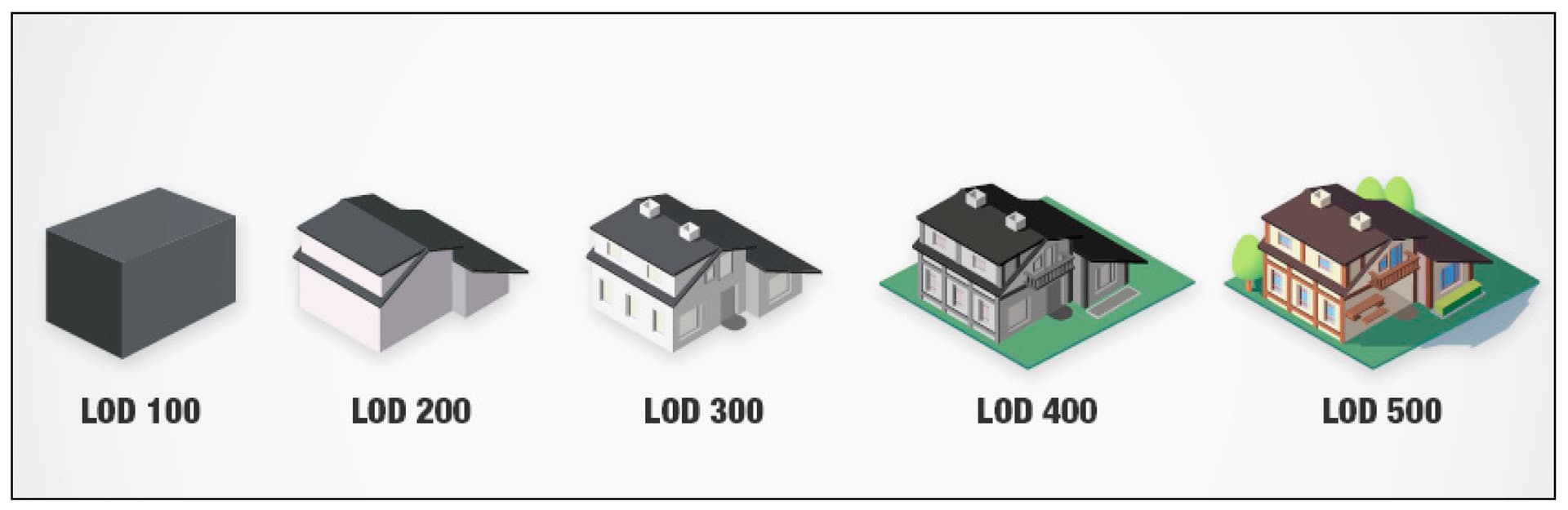
Level of Detail refers to a technique used in 3D graphics to manage the complexity of models based on their distance from the viewer or their importance within a scene. By using different representations of a model—ranging from high-detail to low-detail versions—artists and developers can enhance performance while maintaining an acceptable visual quality.
How LOD Works
At its core, LOD employs a simple yet effective principle: the closer an object is to the camera, the more detailed its representation should be. Conversely, as an object moves farther away, lower detail versions can be used. This approach minimizes the computational load required for rendering, allowing for smoother frame rates and better overall performance.
For example, a character in a video game may have a highly detailed model when viewed up close, complete with intricate textures and complex geometry. As the character moves away from the camera, a simplified version of the model with fewer polygons and lower-resolution textures can take its place. The transition between these different levels of detail can be made seamless through various techniques, ensuring that the visual experience remains consistent.
Benefits of LOD Techniques
Implementing LOD techniques offers numerous advantages, particularly in real-time applications such as video games and interactive simulations. Some of the key benefits include:
1. Improved Performance
The primary benefit of LOD is the significant improvement in rendering performance. By reducing the number of polygons and textures that need to be processed for distant objects, the rendering engine can allocate resources more efficiently. This leads to higher frame rates and improved responsiveness, essential for real-time applications.
2. Enhanced Visual Quality
While it may seem counterintuitive, LOD can actually enhance visual quality. By allocating more resources to the objects that matter most—those that are close to the camera—artists can ensure that the detailed elements of a scene shine through. Distant objects, on the other hand, can be simplified without noticeably affecting the overall aesthetic.
3. Efficient Resource Management
In large scenes with many objects, resource management becomes crucial. LOD allows developers to control memory usage by ensuring that only necessary details are loaded for objects based on their proximity to the viewer. This efficient use of resources is especially important in environments with limited processing power, such as mobile devices or virtual reality headsets.
4. Scalability
LOD techniques allow for scalability in graphics. As hardware capabilities improve, developers can create higher-quality assets and incorporate more detailed models without compromising performance. This scalability ensures that graphics can evolve alongside technology, delivering better experiences over time.
Types of LOD Techniques
Several LOD techniques exist, each with its own strengths and weaknesses. Understanding these methods can help developers choose the most appropriate one for their specific needs.
1. Geometric LOD
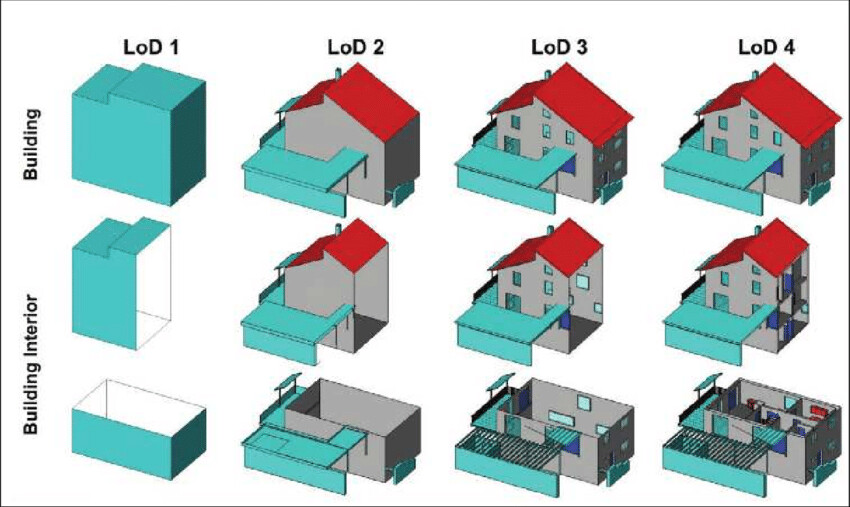
Geometric LOD involves creating multiple versions of a 3D model with varying levels of detail. The simplest form of this technique uses a high-polygon model for close-up views and progressively lower-polygon models for distant views. This method is straightforward and effective but can be labor-intensive, as it requires artists to create multiple models.
2. Texture LOD
Texture LOD focuses on varying the resolution of textures applied to a model based on its distance from the camera. High-resolution textures provide detail when an object is close, while lower-resolution textures are used for distant objects. This technique can significantly reduce memory usage without sacrificing visual fidelity, especially in large scenes.
3. Impostors
Impostors are 2D representations of 3D objects that are used to approximate their appearance from a distance. By rendering a high-detail model to a texture and using that texture as a sprite, developers can efficiently represent complex objects without the computational cost of rendering a full 3D model. This technique is particularly useful for foliage, distant buildings, or other objects where detail is less critical.
4. Billboarding
Billboarding is a specific type of impostor technique where a flat image is oriented towards the camera. This method is often used for trees, clouds, or other natural elements, allowing for a convincing appearance without the need for complex geometry. Billboards can create the illusion of depth and detail, making them a popular choice in various applications.
5. Adaptive LOD
Adaptive LOD systems dynamically adjust the level of detail based on the viewer’s distance and the complexity of the scene. These systems can automatically switch between different LOD levels in real-time, ensuring that performance remains optimal while maintaining visual quality. Adaptive LOD can also consider factors such as object importance and the viewer’s focus, further enhancing efficiency.
Implementing LOD in Rendering Pipelines
Successfully implementing LOD techniques requires careful planning and integration into the rendering pipeline. Here are some steps and considerations to keep in mind:
1. Asset Creation
Creating LOD assets involves developing multiple versions of 3D models and textures. Artists should start by creating the high-detail version and then simplify it by reducing polygon counts and texture resolutions for lower LOD levels. Tools and software that facilitate the creation of LOD models can streamline this process.
2. Transitioning Between LOD Levels
Seamless transitions between LOD levels are crucial for maintaining visual consistency. Developers should implement methods to manage these transitions, ensuring they occur smoothly as objects move in and out of the camera’s view. Techniques such as cross-fading or blending can help achieve a natural appearance.
3. Testing and Optimization
Thorough testing is essential to evaluate the effectiveness of LOD implementations. Developers should assess performance metrics and visual quality across different hardware configurations to ensure that the system operates efficiently. Continuous optimization may be necessary to strike the right balance between detail and performance.
4. Integration with Other Techniques
LOD should not be viewed in isolation. Integrating LOD with other optimization techniques—such as occlusion culling, frustum culling, and LOD streaming—can further enhance performance. By employing a multi-faceted approach, developers can maximize rendering efficiency without compromising visual fidelity.
Challenges and Considerations
While LOD techniques offer significant benefits, several challenges must be addressed during implementation:
1. Development Time
Creating multiple LOD assets can be time-consuming and resource-intensive. Artists need to balance the quality of LOD models with the time spent on development. Streamlining the process through automation or using tools that assist in generating LOD variations can alleviate some of this burden.
2. Visual Discrepancies
Visual discrepancies can arise when transitioning between LOD levels, particularly if the models are not well-matched. Ensuring that each LOD version retains key visual features and characteristics is essential for maintaining the overall look and feel of the scene.
3. Performance Trade-offs
While LOD techniques improve performance, they can also introduce trade-offs. For example, an adaptive LOD system might require additional processing to determine the appropriate level of detail for each object, which could offset some performance gains. Developers should carefully evaluate the trade-offs involved and optimize accordingly.
4. User Experience
User experience must be a top priority when implementing LOD techniques. Sudden changes in detail can be jarring for users, particularly in interactive applications. Developers should consider how LOD transitions affect the overall experience and strive for smooth, natural changes.
Case Studies: LOD in Action
Several industries and projects have successfully implemented LOD techniques to enhance rendering performance without sacrificing visual quality. These case studies highlight the effectiveness of LOD in real-world applications.
1. Video Games
In the gaming industry, LOD techniques are ubiquitous. Games like “The Witcher 3” and “Red Dead Redemption 2” utilize LOD to manage their expansive worlds. By employing various LOD levels for characters, vegetation, and terrain, these games achieve stunning visuals while maintaining high frame rates, even on less powerful hardware.
2. Architectural Visualization
Architectural visualization projects often rely on LOD techniques to balance detail and performance. Software like Lumion and Twinmotion allows architects to create realistic visualizations of buildings while using LOD to optimize rendering speeds. This approach enables clients to view high-quality presentations without lengthy rendering times.
3. Virtual Reality
In virtual reality (VR), maintaining high frame rates is crucial for a comfortable experience. LOD techniques help VR applications optimize rendering by adjusting detail levels based on the user’s position and focus. This dynamic approach ensures that users enjoy immersive environments without experiencing lag or discomfort.
4. Film and Animation
In the film industry, LOD techniques are used to streamline rendering processes for complex scenes. By using lower-detail models for background elements and focusing resources on key characters and objects, studios can achieve impressive visuals while managing rendering times. This approach is particularly valuable in large-scale productions where efficiency is paramount.
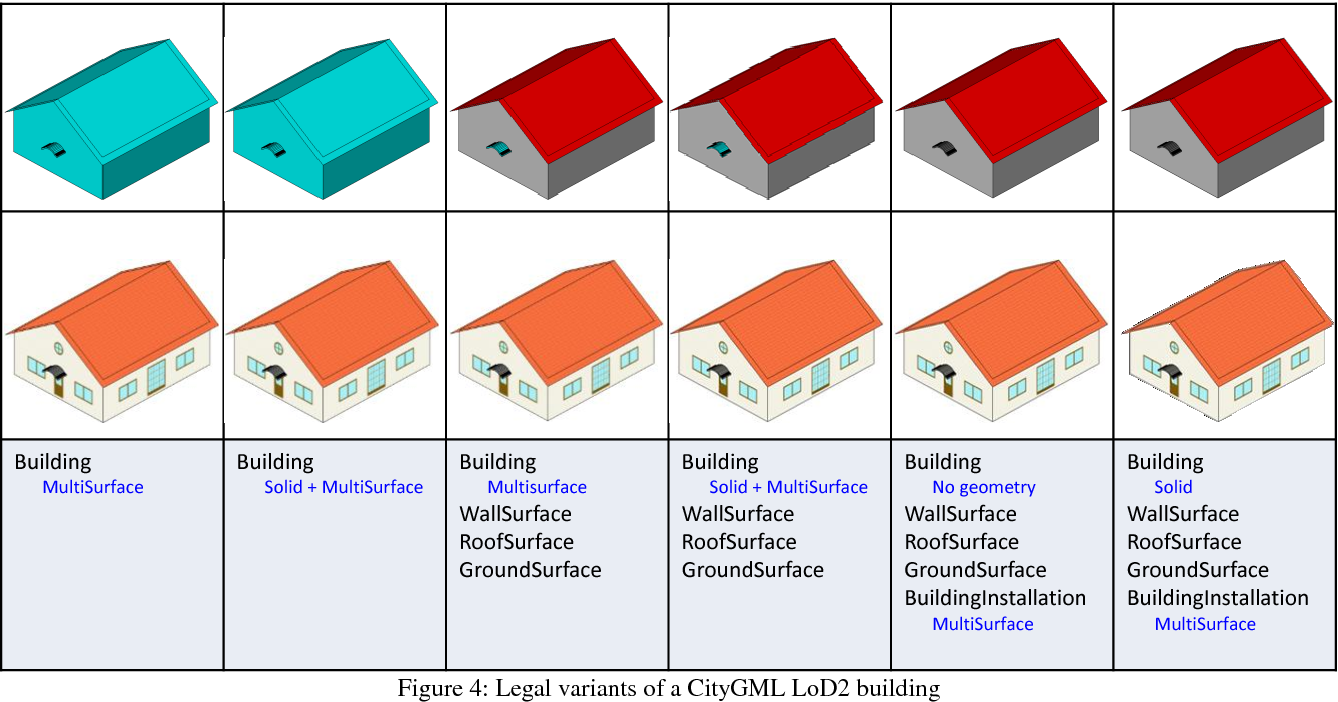
![Examples of levels of detail (LOD) (a) in CityGML 2.0 from [16] and (b).](https://digitalhumanhub.org/uploads/default/original/1X/1676e0b835dcfcccdf996aabf6c0ff8f10324a68.jpeg)
Future of LOD Techniques
As technology continues to advance, the future of LOD techniques looks promising. Several trends and developments are likely to shape their evolution in the coming years:
1. Machine Learning Integration
Machine learning algorithms can analyze scenes and determine optimal LOD levels dynamically. This integration has the potential to enhance adaptive LOD systems, allowing for more intelligent decision-making regarding detail levels. As AI technology matures, its application in LOD management could revolutionize how rendering is approached.
2. Enhanced Automation Tools
New tools and software that facilitate the creation and management of LOD assets are likely to emerge. Automation will streamline the process of generating multiple LOD levels, reducing the workload for artists and allowing for more efficient development cycles.
3. Greater Focus on User Experience
As user experience becomes increasingly important, developers will need to prioritize smooth LOD transitions and minimize visual discrepancies. Innovations in LOD management will focus on creating a seamless experience for users, ensuring that performance gains do not come at the expense of immersion.
4. Cross-Platform Optimization
With the rise of mobile gaming and VR, cross-platform rendering optimization will become a priority. LOD techniques will need to adapt to various hardware capabilities, ensuring consistent performance and visual quality across devices. This adaptability will be essential for reaching a broader audience.
Conclusion
Level of Detail (LOD) techniques stand as a powerful tool in the realm of computer graphics. By effectively managing the complexity of models and textures based on their proximity to the viewer, LOD enhances rendering performance without sacrificing visual quality. The benefits of improved performance, enhanced visual quality, and efficient resource management make LOD an essential consideration for developers in various industries.
While implementing LOD techniques presents challenges, the rewards are significant. As the landscape of technology evolves, the future of LOD looks promising, with potential advancements in machine learning, automation, and user experience. Embracing LOD techniques allows developers to create stunning visuals and immersive experiences while optimizing performance, paving the way for a new era in rendering.