AI image recognition software has transformed the way we interact with visual data. From identifying objects in photographs to enabling advanced facial recognition systems, these technologies are becoming integral across various industries, including healthcare, retail, automotive, and security. This article explores the key features that distinguish AI image recognition software, the underlying technologies, and their applications, benefits, and challenges.
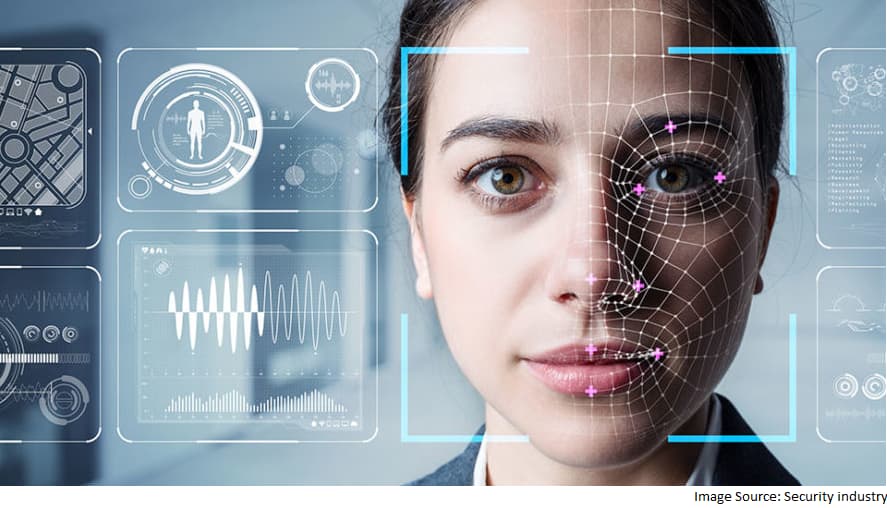
1. AI Image Recognition
1.1 Definition of Image Recognition
Image recognition is a computer vision task that involves identifying and classifying objects within digital images. It leverages artificial intelligence, particularly machine learning and deep learning techniques, to analyze visual data and generate insights.
1.2 Importance of Image Recognition
The importance of image recognition lies in its ability to automate the analysis of visual information, enhance user experiences, and enable new applications. By accurately identifying objects, scenes, and patterns in images, businesses can improve efficiency, make data-driven decisions, and create innovative solutions.
2. Key Features of AI Image Recognition Software
2.1 High Accuracy and Precision
One of the most distinguishing features of AI image recognition software is its high accuracy and precision in identifying objects and patterns.
Deep Learning Models
AI image recognition often employs deep learning models, such as convolutional neural networks (CNNs), which excel at processing visual data. These models are trained on large datasets, allowing them to learn complex patterns and features.
Transfer Learning
Transfer learning enables models trained on one dataset to be adapted for another task, improving accuracy with less data. This capability is particularly useful for specific applications where labeled data may be scarce.
2.2 Real-Time Processing
AI image recognition software can analyze images in real time, enabling immediate responses and actions.
Fast Inference Times
Modern AI models are optimized for speed, allowing them to process images rapidly. This feature is crucial for applications like autonomous vehicles and real-time surveillance systems, where quick decisions are essential.
On-Device Processing
Advancements in hardware, such as GPUs and specialized chips (e.g., TPUs), enable on-device processing, reducing latency and improving performance in mobile and edge applications.
2.3 Robustness to Variability
AI image recognition systems are designed to handle variability in image quality, lighting conditions, and object orientations.
Data Augmentation
Data augmentation techniques, such as rotation, scaling, and flipping, are used during training to expose models to a diverse range of scenarios. This helps improve the model’s robustness and generalization capabilities.
Handling Occlusions and Clutter
Advanced algorithms can recognize objects even when partially obscured or surrounded by clutter, making them effective in real-world environments where conditions are unpredictable.
2.4 Multi-Object Recognition
Many AI image recognition systems are capable of detecting and classifying multiple objects within a single image.
Instance Segmentation
Instance segmentation techniques not only identify objects but also delineate their boundaries at the pixel level. This feature is valuable in applications like autonomous driving, where precise object localization is crucial.
Multi-Class Classification
AI models can classify images into multiple categories, allowing for comprehensive analysis in diverse applications, such as retail inventory tracking and automated tagging of images.
2.5 Integration with Other Technologies
AI image recognition software can seamlessly integrate with other technologies to enhance functionality.
Natural Language Processing (NLP)
Integrating NLP allows image recognition systems to provide descriptive captions or insights about the identified objects. This combination can improve accessibility and enhance user experiences in applications like photo management.
Internet of Things (IoT)
AI image recognition can be integrated with IoT devices, enabling smart systems to analyze visual data in real time. For example, a smart security camera can recognize faces and alert users about intruders.
2.6 Customization and Fine-Tuning
AI image recognition software often allows for customization and fine-tuning based on specific use cases.
Model Training
Users can train models on their datasets to improve accuracy for particular applications. This feature is beneficial for industries with unique needs, such as agriculture or healthcare.
Adjustable Parameters
Many image recognition systems provide adjustable parameters, enabling users to tweak sensitivity, threshold levels, and other settings to optimize performance for their specific requirements.
2.7 User-Friendly Interfaces
Modern AI image recognition tools often come with intuitive user interfaces that simplify the user experience.
Visual Dashboards
User-friendly dashboards allow users to visualize results, manage datasets, and interact with the software easily. These interfaces often feature drag-and-drop functionality for uploading images and managing projects.
Accessible APIs
Many AI image recognition solutions provide APIs that enable developers to integrate image recognition capabilities into their applications without extensive knowledge of machine learning.
3. Technologies Behind AI Image Recognition
3.1 Machine Learning and Deep Learning
Machine learning and deep learning are the cornerstones of AI image recognition.
Convolutional Neural Networks (CNNs)
CNNs are specifically designed for image processing tasks. They use convolutional layers to automatically learn spatial hierarchies of features from images, making them highly effective for classification and detection tasks.
Recurrent Neural Networks (RNNs)
While CNNs are primarily used for image analysis, RNNs can be employed in scenarios where sequential data, such as video frames, needs to be analyzed. This allows for temporal analysis in image recognition applications.
3.2 Computer Vision
Computer vision techniques are integral to the functionality of AI image recognition systems.
Image Preprocessing
Preprocessing steps such as resizing, normalization, and noise reduction enhance image quality before analysis. Proper preprocessing ensures that models operate effectively on diverse input data.
Feature Extraction
Feature extraction techniques identify and isolate relevant patterns and characteristics within images, which are then used by AI models for classification and detection.
3.3 Big Data Technologies
The effectiveness of AI image recognition is often enhanced by big data technologies that facilitate the storage, processing, and analysis of large datasets.
Distributed Computing
Frameworks like Apache Hadoop and Apache Spark enable distributed processing of large image datasets, allowing for more efficient training and analysis of AI models.
Data Lakes
Data lakes provide a centralized repository for storing vast amounts of unstructured data, including images. This allows for easier access and management of data for training AI models.
4. Applications of AI Image Recognition
4.1 Healthcare
AI image recognition is revolutionizing the healthcare industry by improving diagnostic accuracy and efficiency.
Medical Imaging Analysis
AI systems can analyze medical images such as X-rays, MRIs, and CT scans to detect anomalies, tumors, or diseases. This enhances the speed and accuracy of diagnoses, enabling timely treatment.
Pathology Automation
AI can assist in analyzing pathology slides, identifying cancerous cells, and streamlining laboratory workflows, which ultimately improves patient outcomes.
4.2 Retail
In retail, AI image recognition enhances customer experiences and operational efficiency.
Visual Search
Customers can use visual search features to find products by uploading images. AI analyzes the uploaded image and provides similar product suggestions, improving the shopping experience.
Inventory Management
Retailers can employ AI image recognition to monitor stock levels in real time, automatically identifying products on shelves and alerting staff to restock when necessary.
4.3 Security and Surveillance
AI image recognition plays a crucial role in security and surveillance applications.
Facial Recognition
AI-powered facial recognition systems can identify individuals in real time, enhancing security measures in public spaces, airports, and restricted areas.
Anomaly Detection
AI can analyze surveillance footage to detect unusual behavior or activities, providing proactive alerts to security personnel.
4.4 Automotive
The automotive industry is increasingly leveraging AI image recognition for safety and navigation.
Autonomous Vehicles
AI image recognition is vital for autonomous vehicles, allowing them to interpret their surroundings, recognize road signs, and detect pedestrians and other vehicles.
Driver Assistance Systems
AI-powered systems can monitor driver behavior and alert them to potential hazards, enhancing overall road safety.
4.5 Agriculture
In agriculture, AI image recognition enhances productivity and efficiency.
Crop Monitoring
Farmers can use AI to analyze satellite or drone imagery to monitor crop health, detect diseases, and assess soil conditions, enabling data-driven decisions.
Weed and Pest Detection
AI image recognition can identify weeds and pests in crops, allowing for targeted interventions that reduce the need for pesticides and herbicides.
5. Benefits of AI Image Recognition
5.1 Increased Efficiency
AI image recognition systems streamline processes and improve operational efficiency.
Automation of Repetitive Tasks
By automating image analysis and recognition, organizations can reduce the time and resources needed for manual inspection and analysis.
Faster Decision-Making
Real-time analysis enables quicker decision-making, particularly in critical applications like healthcare and security.
5.2 Enhanced Accuracy
AI image recognition offers improved accuracy compared to traditional methods.
Reduced Human Error
Automating image analysis minimizes the potential for human error in tasks such as medical diagnoses, leading to more reliable outcomes.
High Precision in Detection
Advanced algorithms provide high precision in object detection and classification, ensuring that essential details are not overlooked.
5.3 Cost Savings
Implementing AI image recognition can lead to significant cost savings for organizations.
Reduced Labor Costs
By automating image analysis, businesses can reduce the need for extensive labor, leading to lower operational costs.
Minimized Waste
In industries like agriculture and manufacturing, AI can help optimize processes, reducing waste and improving resource utilization.
5.4 Improved User Experience
AI image recognition enhances user experiences across various applications.
Personalization
By analyzing user preferences and behaviors, AI can provide personalized recommendations, improving engagement and satisfaction.
Enhanced Accessibility
AI image recognition can improve accessibility for individuals with disabilities, offering features like image descriptions and visual aids.
6. Challenges of AI Image Recognition
6.1 Data Privacy Concerns
The use of AI image recognition raises significant data privacy issues.
Surveillance and Monitoring
The deployment of facial recognition in public spaces can lead to concerns about surveillance and the erosion of privacy rights.
Data Handling Regulations
Organizations must navigate complex data protection regulations, such as GDPR, to ensure compliance when processing personal data.
6.2 Algorithmic Bias
AI image recognition systems can perpetuate biases present in training data.
Discriminatory Outcomes
Biases in the training data can lead to discriminatory outcomes, particularly in applications like facial recognition, where inaccuracies can disproportionately affect certain demographic groups.
Addressing Bias
Organizations must actively work to identify and mitigate bias in AI models, ensuring fair and equitable outcomes.
6.3 Technical Limitations
Despite advancements, technical challenges remain in AI image recognition.
Data Quality and Quantity
The effectiveness of AI models depends on the quality and quantity of training data. Limited or poor-quality data can hinder model performance.
Complexity of Real-World Scenarios
Real-world scenarios often involve variability in lighting, occlusions, and complex backgrounds, which can challenge the accuracy of image recognition systems.
7. Future Trends in AI Image Recognition
7.1 Advancements in Deep Learning
The future of AI image recognition will likely see advancements in deep learning techniques.
Neural Architecture Search
Emerging techniques like neural architecture search can automate the design of neural networks, leading to more efficient and effective models for image recognition.
Explainable AI
As AI systems become more complex, the need for explainable AI will grow. Understanding how models arrive at decisions will be crucial for trust and transparency.
7.2 Enhanced Multimodal Capabilities
Future AI image recognition systems will integrate with other modalities, such as text and audio.
Cross-Modal Recognition
AI systems may combine image recognition with text analysis and audio processing to provide richer, more context-aware insights.
Interactive Experiences
The integration of multimodal capabilities will enable interactive experiences that respond to user inputs across different formats, enhancing engagement.
7.3 Greater Focus on Ethical AI
As AI image recognition technology advances, ethical considerations will become increasingly important.
Responsible Deployment
Organizations will need to prioritize responsible deployment of AI image recognition systems, ensuring that they are used ethically and transparently.
Bias Mitigation Strategies
Developing and implementing strategies to mitigate bias in AI models will be critical to ensuring fair and equitable outcomes.
7.4 Integration with Emerging Technologies
AI image recognition will increasingly integrate with emerging technologies, such as augmented reality (AR) and blockchain.
Augmented Reality Applications
AI image recognition can enhance AR experiences by enabling real-time object recognition and interaction, leading to immersive applications in gaming, education, and training.
Blockchain for Data Integrity
Integrating blockchain technology can enhance the integrity and security of image data, ensuring that it remains unaltered and trustworthy.
Conclusion
AI image recognition software is a powerful tool that transforms the analysis and interpretation of visual data across various industries. Its key features, including high accuracy, real-time processing, and robust integration capabilities, distinguish it from traditional image analysis methods.
As organizations continue to leverage AI image recognition, they will benefit from increased efficiency, enhanced accuracy, and improved user experiences. However, challenges such as data privacy, algorithmic bias, and technical limitations must be addressed to maximize the potential of this technology.
Looking ahead, the future of AI image recognition promises exciting advancements, including enhanced deep learning techniques, multimodal capabilities, and a greater focus on ethical AI practices. Embracing these trends will empower organizations to harness the full potential of AI image recognition and drive innovation in their respective fields.