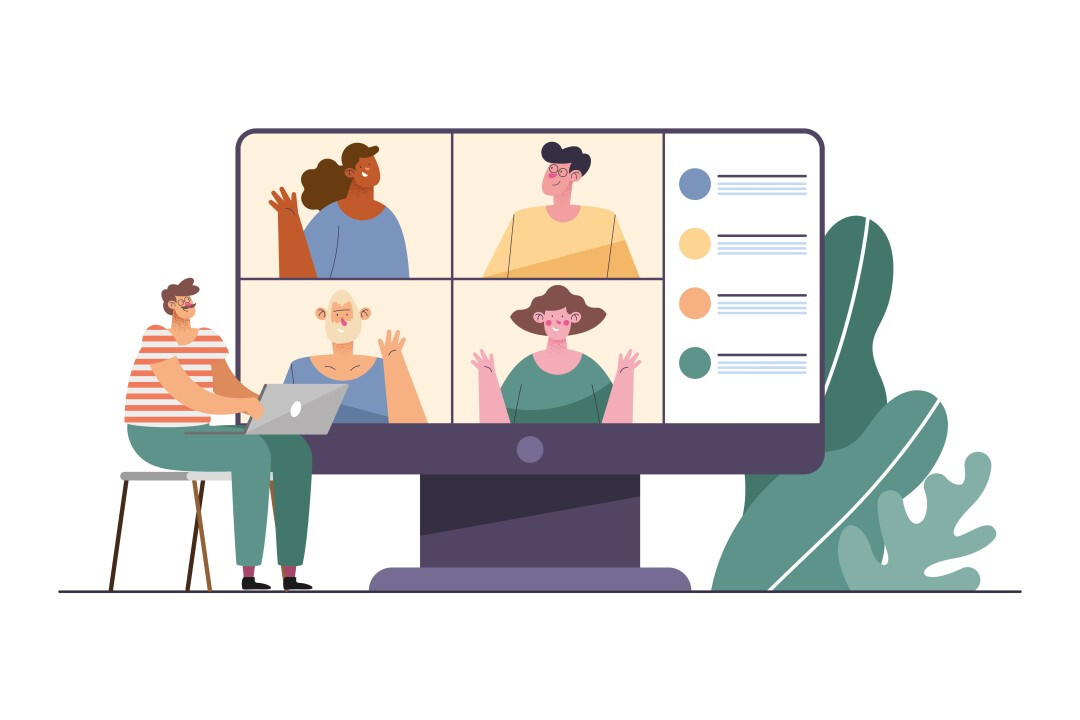
The rise of remote work has transformed how teams operate, making it essential to find innovative solutions that enhance productivity and collaboration. AI agents, powered by advanced algorithms and machine learning, offer significant advantages in this context. This comprehensive exploration will delve into the various ways AI agents can enhance remote work productivity and foster collaboration among teams.
1. Streamlining Communication
1.1 Natural Language Processing (NLP)
AI agents equipped with Natural Language Processing (NLP) capabilities can facilitate smoother communication between team members. By understanding and processing human language, these agents can:
- Summarize Conversations: AI agents can summarize lengthy email threads or chat discussions, allowing team members to catch up quickly.
- Translate Languages: Multilingual teams can benefit from AI agents that provide real-time translation, breaking down language barriers and promoting inclusivity.
1.2 Chatbots for Immediate Assistance
AI chatbots can be integrated into communication platforms to provide instant support. They can:
- Answer FAQs: Team members can get immediate answers to common questions without waiting for a response from a colleague.
- Schedule Meetings: AI agents can automatically find suitable times for meetings by analyzing participants’ calendars, reducing the back-and-forth typically involved in scheduling.
2. Enhancing Task Management
2.1 Intelligent Task Allocation
AI agents can analyze team members’ skills, past performance, and current workload to allocate tasks intelligently. This ensures that:
- Workload Balance: Tasks are distributed evenly among team members, preventing burnout and promoting efficiency.
- Skill Utilization: Team members are assigned tasks that align with their strengths, which can enhance the quality of work.
2.2 Automated Reminders and Follow-Ups
AI agents can send reminders for deadlines, meetings, and follow-ups, ensuring that team members stay on track with their responsibilities. This automation can:
- Reduce Overlooked Tasks: AI agents assist in preventing tasks from being overlooked by providing timely reminders.
- Enhance Accountability: Team members can be more accountable for their responsibilities when they receive regular prompts and updates.
3. Facilitating Collaboration
3.1 Virtual Collaboration Spaces
AI agents can enhance virtual collaboration tools by creating intelligent environments that adapt to team needs. Features include:
- Smart Document Sharing: AI agents can suggest relevant documents based on the context of discussions, making it easier for team members to access necessary resources.
- Real-Time Collaboration: AI can facilitate real-time editing and feedback on shared documents, allowing teams to work together seamlessly, regardless of location.
3.2 Enhanced Brainstorming Sessions
AI agents can assist in brainstorming sessions by:
- Generating Ideas: AI tools can suggest innovative ideas based on data analysis, trends, and past projects, inspiring creativity among team members.
- Organizing Discussions: AI can help structure brainstorming sessions by tracking ideas and facilitating discussion flow, ensuring that all voices are heard.
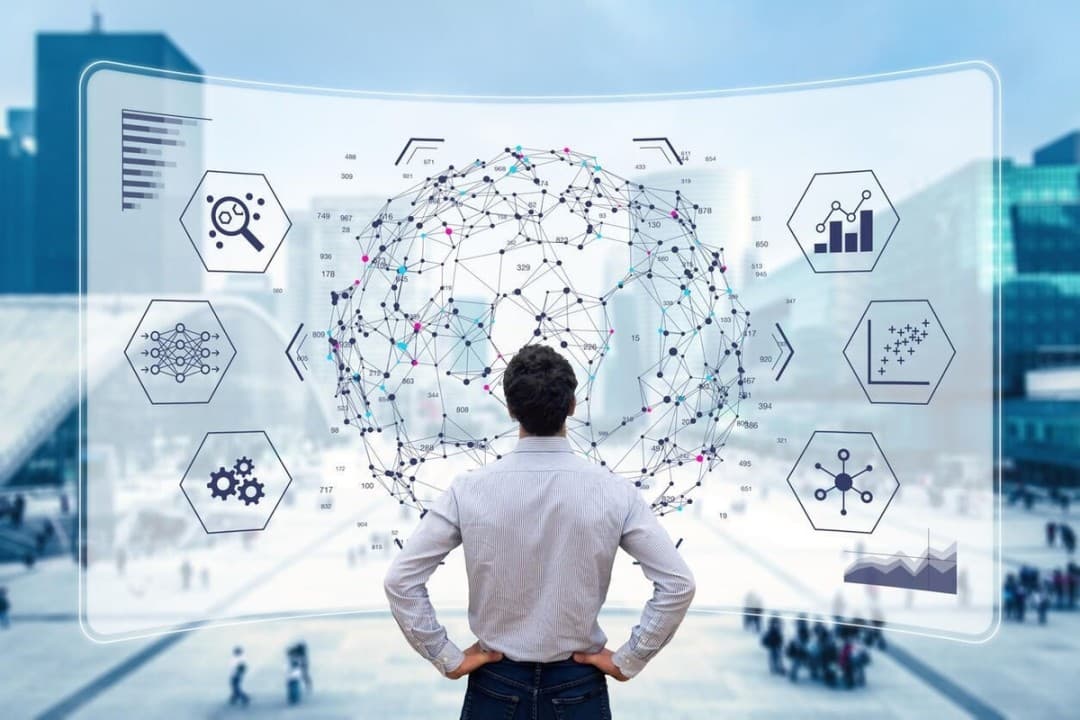
4. Data-Driven Decision Making
4.1 Advanced Analytics
AI agents can analyze large datasets quickly, providing insights that inform decision-making. This capability allows teams to:
- Identify Trends: By recognizing patterns in data, AI agents can help teams understand market shifts and customer preferences, leading to informed strategies.
- Predict Outcomes: AI can model potential outcomes based on different scenarios, enabling teams to make proactive decisions.
4.2 Performance Metrics
AI agents can track team performance and project progress through advanced analytics. This can lead to:
- Continuous Improvement: By analyzing performance data, AI can identify areas for improvement and facilitate discussions on strategies for enhancement.
- Goal Alignment: Teams can ensure their goals align with organizational objectives through regular performance reviews powered by AI insights.
5. Boosting Employee Engagement
5.1 Personalized Experiences
AI agents can create personalized experiences for team members by:
- Tailored Recommendations: AI can suggest resources, training, or tasks aligned with individual team members’ career goals and interests.
- Feedback Mechanisms: AI agents can gather and analyze feedback from employees, facilitating a culture of continuous improvement and engagement.
5.2 Wellness Monitoring
AI can monitor employee wellness and engagement levels through sentiment analysis and other metrics. This allows teams to:
- Address Concerns Proactively: By identifying signs of disengagement or stress, teams can intervene early to support employees.
- Foster Community: AI agents can encourage social interactions among team members, promoting a sense of belonging and collaboration.

6. Improving Flexibility and Adaptability
6.1 Agile Workflows
AI agents can support agile methodologies by facilitating adaptive workflows that respond to changing project needs. This includes:
- Real-Time Adjustments: AI can suggest changes to task priorities based on real-time data, enabling teams to pivot quickly when necessary.
- Resource Management: AI can optimize resource allocation based on team needs, ensuring that the right skills and tools are available at the right time.
6.2 Learning and Development
AI agents can enhance learning and development opportunities for remote teams by:
- Personalized Learning Paths: Based on individual performance and interests, AI can recommend training programs that foster skill development.
- On-Demand Resources: AI can curate resources and learning materials that team members can access at their convenience, promoting continuous learning.
7. Streamlining Administrative Tasks
7.1 Automated Administrative Support
AI agents can take over routine administrative tasks, allowing team members to focus on more strategic work. This includes:
- Expense Management: AI can automate expense reporting and approvals, reducing the administrative burden on team members.
- Document Management: AI can organize and categorize documents efficiently, making it easier for teams to find and access critical information.
7.2 Compliance and Risk Management
AI agents can assist in ensuring compliance with regulations and managing risks by:
- Monitoring Changes: AI can track regulatory changes and alert teams to necessary adjustments in procedures.
- Risk Assessment: AI can analyze potential risks in projects, helping teams to develop mitigation strategies proactively.

8. Fostering Innovation
8.1 Idea Generation and Evaluation
AI agents can facilitate innovation by helping teams generate and evaluate new ideas. This can be achieved through:
- Innovation Platforms: AI can support platforms that allow employees to submit and collaborate on new ideas, fostering a culture of innovation.
- Idea Evaluation: AI can analyze proposed ideas based on various criteria, such as feasibility and potential impact, aiding decision-making.
8.2 Market Research Support
AI agents can perform extensive market research, providing teams with insights that drive innovation. This includes:
- Competitor Analysis: AI can track competitor activities and market trends, helping teams identify opportunities for innovation.
- Customer Insights: By analyzing customer feedback and behavior, AI can inform product development and innovation strategies.
9. Enhancing Security
9.1 Cybersecurity Measures
AI agents can bolster cybersecurity for remote teams by:
- Threat Detection: AI can monitor network activity for suspicious behavior, identifying potential threats before they escalate.
- Automated Responses: In the event of a security breach, AI can implement immediate responses to mitigate damage and protect sensitive information.
9.2 Data Protection
AI agents can help ensure data protection by:
- Access Management: AI can monitor and manage user access to sensitive information, enforcing security protocols effectively.
- Compliance Monitoring: AI can track compliance with data protection regulations, reducing the risk of legal issues for organizations.
Conclusion
AI agents have the potential to significantly enhance remote work productivity and collaboration among teams. By streamlining communication, improving task management, facilitating collaboration, and enabling data-driven decision-making, AI agents empower teams to work more efficiently and effectively. Furthermore, they foster employee engagement, boost innovation, and enhance security, creating a more robust remote work environment.
As organizations continue to embrace remote work, integrating AI agents into their operations will be crucial for optimizing team performance and achieving long-term success. Embracing these technologies responsibly will pave the way for a future where remote work is not only viable but also thriving and dynamic.