The advent of artificial intelligence (AI) has revolutionized numerous sectors, and customer service is no exception. AI agents, often embodied in chatbots and virtual assistants, are reshaping how businesses interact with their clients. This transformation is not just about improving efficiency; it also hinges on enhancing the customer experience, reducing operational costs, and providing data-driven insights. In this extensive exploration, we will delve into the multifaceted impact of AI agents on the customer service and support industries, examining their benefits, challenges, and future potential.

The Evolution of Customer Service
Customer service has evolved dramatically over the past few decades. From traditional face-to-face interactions to the rise of call centers and, more recently, digital platforms, businesses have continuously sought ways to enhance customer satisfaction. The introduction of the internet opened avenues for online support, allowing companies to reach customers globally. However, as customer expectations have risen, the limitations of human agents—such as availability and response time—became apparent.
Enter AI agents. These intelligent systems can operate around the clock, handle multiple inquiries simultaneously, and provide instant responses, making them highly attractive for businesses aiming to improve service quality while minimizing costs.
Benefits of AI Agents in Customer Service
1. 24/7 Availability
One of the most significant advantages of AI agents is their ability to provide round-the-clock service. Customers no longer need to wait for business hours to get support. Whether it’s a midnight inquiry or a holiday question, AI agents can address concerns at any time, enhancing customer satisfaction and loyalty.
2. Instant Response Time
AI agents can process and respond to customer inquiries almost instantaneously. This rapid response time significantly reduces wait times, a critical factor in customer satisfaction. Studies indicate that customers value quick resolutions, and AI agents excel in this area.
3. Cost Efficiency
Implementing AI agents can lead to substantial cost savings for businesses. By automating routine inquiries and tasks, companies can reduce the need for large customer service teams. AI agents can handle a high volume of requests, allowing human agents to focus on more complex issues that require emotional intelligence and nuanced understanding.
4. Scalability
As businesses grow, so do their customer service needs. AI agents can easily scale to accommodate increased demand without the logistical challenges of hiring and training new staff. This scalability makes AI a practical solution for companies experiencing rapid growth or seasonal fluctuations in customer inquiries.
5. Data Collection and Insights
AI agents can collect valuable data from customer interactions. This data can be analyzed to identify trends, customer preferences, and common issues. Companies can leverage these insights to improve their products, services, and overall customer experience. By understanding customer behavior, businesses can make informed decisions that drive growth.
6. Personalization
Modern AI agents can utilize machine learning algorithms to personalize interactions. By analyzing past interactions and customer data, these agents can tailor responses to individual preferences, creating a more engaging and relevant experience. Personalization enhances customer loyalty and can lead to increased sales.

Challenges of Implementing AI Agents
Despite the numerous benefits, the integration of AI agents into customer service is not without challenges.
1. Limited Understanding of Complex Queries
While AI agents are becoming increasingly sophisticated, they still struggle with complex or ambiguous queries. Customers often ask questions that require nuanced understanding or emotional intelligence, areas where human agents excel. If an AI agent fails to address a customer’s concern adequately, it can lead to frustration and dissatisfaction.
2. Dependence on Data Quality
The effectiveness of AI agents heavily depends on the quality and quantity of data available for training. Poor-quality data can lead to inaccurate responses and misinterpretations. Companies must invest in proper data management and ensure that their AI systems are trained on comprehensive and relevant datasets.
3. Customer Acceptance
Some customers may be hesitant to interact with AI agents, preferring human contact for support. This skepticism can stem from past negative experiences or a general distrust of technology. Businesses need to balance AI interactions with human support to cater to all customer preferences.
4. Privacy and Security Concerns
As AI agents handle sensitive customer data, privacy and security become paramount. Companies must implement robust security measures to protect customer information and comply with regulations like GDPR. Any data breaches can severely damage a company’s reputation and customer trust.
5. Maintenance and Continuous Improvement
AI systems require ongoing maintenance and updates to remain effective. Businesses must allocate resources for continuous training and improvement of their AI agents. This can include refining algorithms based on customer feedback and updating knowledge bases to reflect the latest information.
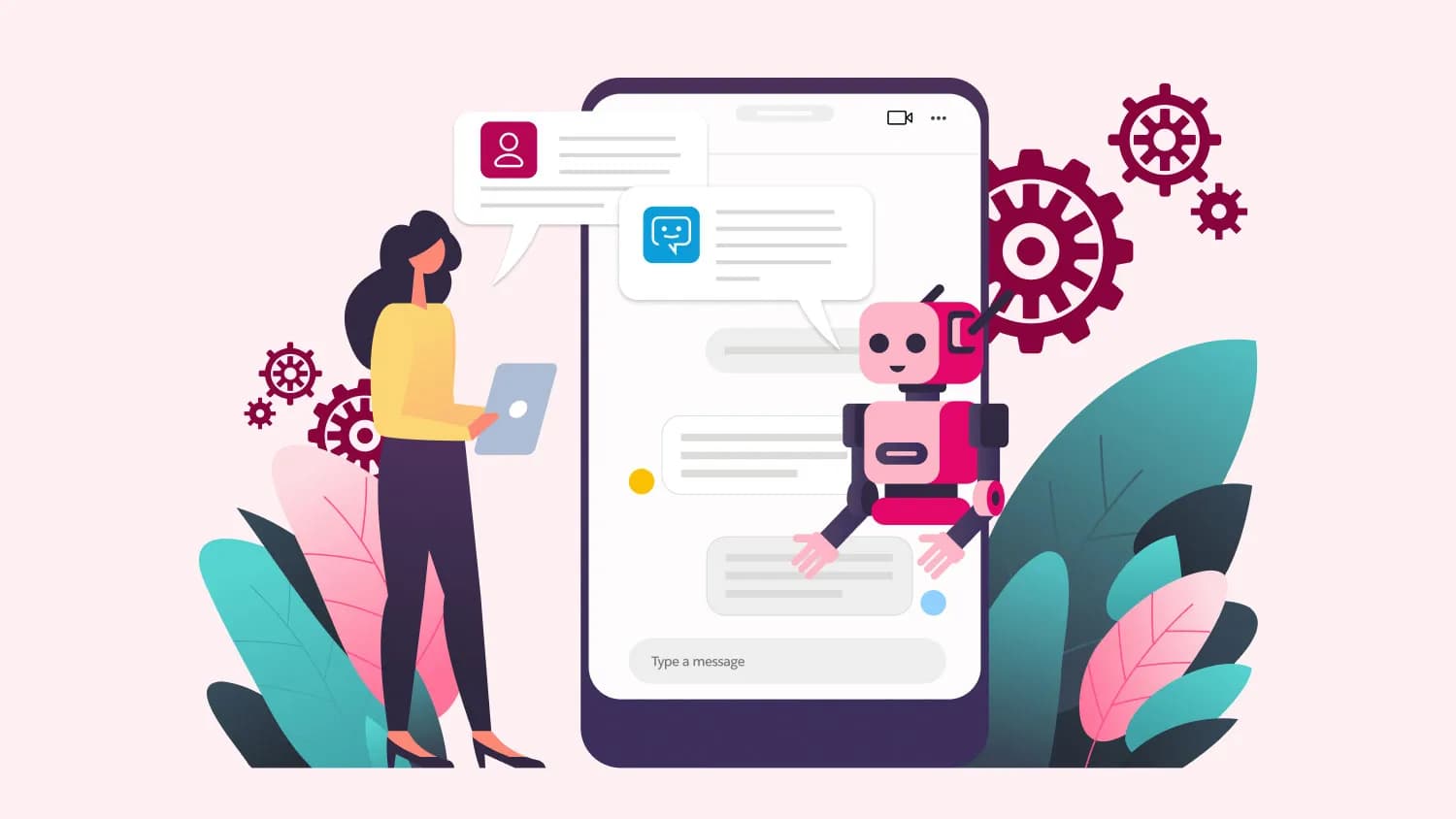
The Future of AI Agents in Customer Service
As technology continues to advance, the role of AI agents in customer service is expected to expand significantly. Here are some emerging trends and future possibilities:
1. Enhanced Natural Language Processing (NLP)
Advancements in NLP will enable AI agents to understand and respond to customer inquiries more effectively. Future AI agents will likely be able to handle more complex conversations, recognize emotions in customer interactions, and provide more empathetic responses.
2. Integration with Other Technologies
AI agents will increasingly integrate with other technologies, such as voice recognition and augmented reality (AR). For example, voice-activated AI agents could provide hands-free support, while AR could offer visual assistance for troubleshooting products, enhancing the customer experience.
3. Omnichannel Support
Customers engage with businesses across multiple channels—social media, chat, email, and phone. Future AI agents will likely provide seamless omnichannel support, allowing customers to switch between channels without losing context. This capability will create a more cohesive and satisfying experience.
4. Collaborative AI-Human Support
The future will likely see a hybrid model where AI agents work alongside human agents. AI can handle routine inquiries, allowing human agents to focus on more complex issues. This collaboration can enhance efficiency and improve overall service quality.
5. Proactive Customer Engagement
AI agents may evolve from reactive support to proactive engagement. By analyzing customer behavior and predicting potential issues, AI can reach out to customers before they encounter problems, enhancing satisfaction and loyalty.
6. Advanced Analytics and Reporting
Future AI agents will offer more sophisticated analytics capabilities, providing businesses with deeper insights into customer interactions and preferences. This data can drive strategic decisions and improve overall service delivery.
Conclusion
AI agents are poised to transform the customer service and support industries profoundly. Their ability to provide 24/7 service, instant responses, and data-driven insights presents significant benefits for businesses and consumers alike. However, challenges such as limited understanding of complex queries and customer acceptance must be addressed for successful implementation.
As technology continues to evolve, the future of AI agents looks promising, with advancements in natural language processing, integration with other technologies, and a shift toward collaborative support. By embracing these changes, businesses can enhance customer satisfaction, streamline operations, and position themselves for success in an increasingly competitive landscape.
In summary, AI agents are not just a trend; they represent a significant shift in how customer service is delivered. As companies navigate this new terrain, the focus should be on leveraging the strengths of AI while maintaining the essential human touch that customers value. The future of customer service lies in this balance, and those who can master it will thrive in the age of AI.