The advent of digital technology has transformed various facets of life, including education and social interaction among children. Digital teachers—virtual educators powered by artificial intelligence—and digital friends, such as AI companions or virtual avatars, are increasingly becoming integral parts of children’s lives. This exploration examines the impact of these digital entities on children, considering their educational outcomes, social development, emotional well-being, and the broader implications for society.
1. Digital Teachers and Friends
1.1 Definition of Digital Teachers
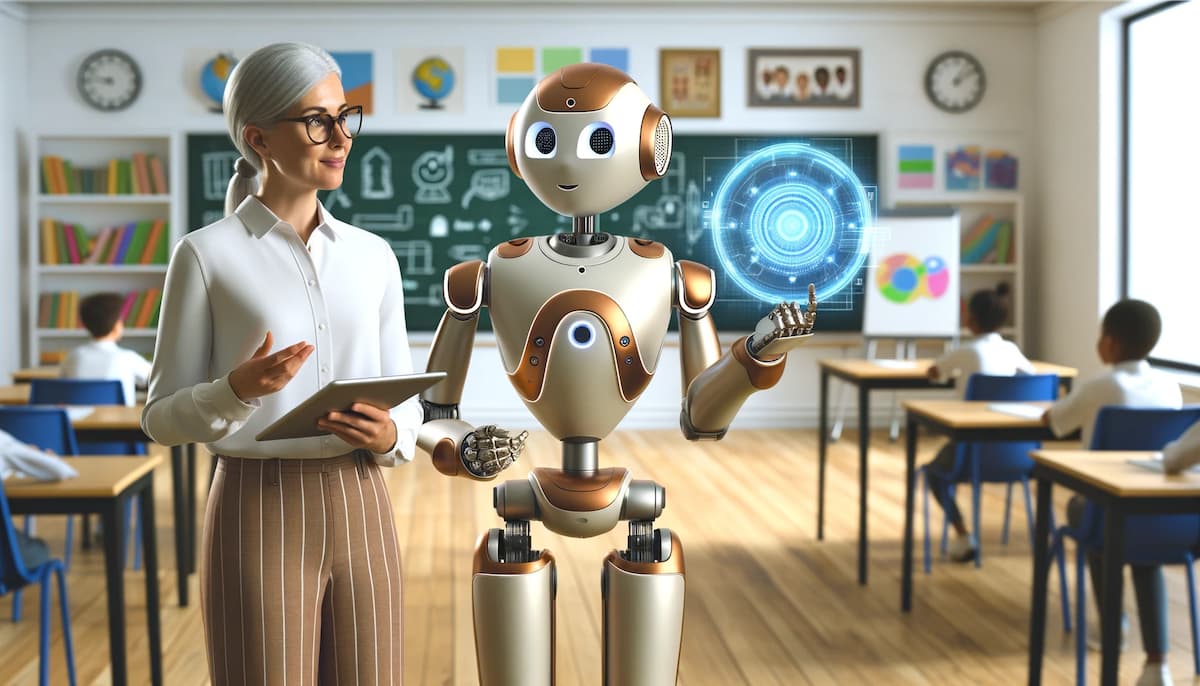
Digital teachers refer to virtual educators who utilize technology to deliver lessons, provide feedback, and engage students in learning. These can range from interactive educational software to AI-driven tutoring systems.
1.2 Definition of Digital Friends
Digital friends encompass AI companions and virtual avatars that children can interact with for companionship, entertainment, and socialization. These can include chatbots, virtual pets, and characters in educational games.
1.3 Examples of Digital Teachers and Friends
- Digital Teachers: Platforms like Khan Academy, Duolingo, and personalized tutoring systems such as Carnegie Learning.
- Digital Friends: Applications like Replika, virtual pets like Tamagotchi, and interactive games featuring AI characters.
2. Educational Impact of Digital Teachers
2.1 Personalized Learning
One of the significant advantages of digital teachers is their ability to provide personalized learning experiences:
- Adaptive Learning: Digital teachers can tailor educational content to match individual learning speeds and styles, helping children grasp concepts more effectively.
- Immediate Feedback: These systems can offer real-time feedback, allowing students to correct mistakes and reinforce learning immediately.
2.2 Engagement and Motivation
Digital teachers can enhance student engagement and motivation:
- Interactive Content: Gamified learning experiences and interactive lessons can make education more enjoyable, encouraging children to participate actively.
- Multimedia Resources: The use of videos, animations, and interactive simulations can cater to different learning preferences and keep students interested.
2.3 Accessibility and Inclusivity
Digital teachers can make education more accessible for diverse learners:
- Learning Disabilities: AI-driven platforms can adapt content for children with learning disabilities, providing additional support and resources tailored to their needs.
- Language Barriers: Digital teachers can offer lessons in multiple languages, making education accessible to non-native speakers.
2.4 Potential Drawbacks
Despite their advantages, digital teachers also present challenges:
- Screen Time Concerns: Increased reliance on digital platforms can lead to excessive screen time, which has been linked to various health issues, including eye strain and reduced physical activity.
- Lack of Human Interaction: The absence of face-to-face interaction with human teachers may hinder the development of social skills and emotional intelligence.
3. Social Development Through Digital Friends
3.1 Companionship and Emotional Support
Digital friends can provide companionship and emotional support for children:
- Reduced Loneliness: Many children, especially those who struggle with social skills, may find solace in interacting with digital friends, which can help reduce feelings of isolation.
- Emotional Expression: AI companions can encourage children to express their feelings and thoughts, helping them process emotions in a safe environment.
3.2 Social Skills Development
Digital friends can play a role in developing social skills:
- Practice Conversations: Interacting with AI companions allows children to practice conversational skills without the fear of judgment.
- Empathy and Understanding: Programs designed to promote empathy can help children learn to recognize and understand their own emotions and those of others, and respond appropriately in social situations.
3.3 Potential Risks
However, reliance on digital friends can lead to some risks:
- Substitution for Real Relationships: Children may become overly attached to digital friends, potentially leading to the neglect of real-life friendships and social interactions.
- Misinterpretation of Social Cues: AI companions may not accurately represent human emotions, potentially leading to misunderstandings about social interactions.
4. Cognitive and Emotional Effects
4.1 Cognitive Development
Digital teachers and friends can influence cognitive development in various ways:
- Critical Thinking: Interactive learning environments can foster critical thinking and problem-solving skills as children navigate challenges presented by digital teachers.
- Creativity: Engaging with digital friends in creative activities can stimulate imaginative thinking and innovation.
4.2 Emotional Well-Being
The emotional impact of digital teachers and friends is significant:
- Safe Space for Exploration: Digital friends can provide a safe space for children to explore their emotions, enabling them to develop resilience and effective coping strategies.
- Stress Relief: Engaging with digital companions can serve as a form of stress relief, providing comfort during challenging times.
4.3 Potential Negative Emotional Outcomes
Despite the potential benefits, there are concerns about adverse emotional outcomes:
- Increased Anxiety: Overreliance on digital interactions may lead to increased anxiety in real-life social situations, as children may struggle to transition from virtual to real-world interactions.
- Emotional Detachment: Frequent interactions with AI may lead to emotional detachment or difficulty forming genuine connections with peers.
5. The Role of Parents and Educators
5.1 Guidance and Monitoring
Parents and educators play a crucial role in mediating children’s interactions with digital teachers and friends:
- Setting Boundaries: Establishing time limits on screen usage can help mitigate potential negative effects associated with excessive digital interaction.
- Encouraging Balance: Encouraging a balance between digital and real-life interactions can promote healthy social development.
5.2 Educational Support
Educators can leverage digital teachers to enhance traditional teaching methods:
- Blended Learning Models: Integrating digital teachers into classroom settings can create a blended learning environment that maximizes the benefits of both digital and human instruction.
- Continuous Assessment: Educators can use data from digital teaching platforms to assess student progress and tailor instruction accordingly.
5.3 Open Communication
Maintaining open communication with children about their experiences with digital teachers and friends is essential:
- Discussing Emotions: Encouraging children to share their feelings about their digital interactions can provide insights into their emotional well-being.
- Addressing Concerns: Parents and educators should address any concerns children may have regarding their digital companions or learning experiences.
6. Broader Societal Implications
6.1 Shifts in Educational Paradigms
The integration of digital teachers is reshaping educational paradigms:
- Decentralization of Learning: Digital teachers can facilitate learning outside traditional classroom settings, allowing for more flexible and personalized educational experiences.
- Global Learning Communities: Online platforms can connect students from different parts of the world, fostering cross-cultural understanding and collaboration.
6.2 Changing Social Norms
Digital friends are influencing social norms and behaviors:
- Redefining Friendship: The concept of friendship may evolve as children grow accustomed to forming connections with digital entities, potentially altering their expectations of human relationships.
- Social Skills Training: As digital friends become more common, there may be a growing need for programs that teach children how to navigate both digital and real-life social interactions.
6.3 Ethical Considerations
The rise of digital teachers and friends raises ethical questions:
- Data Privacy: The use of AI companions often involves data collection, raising concerns about privacy and the security of children’s personal information.
- Manipulation and Dependency: There is a risk that children may develop dependencies on digital friends for emotional support, leading to potential manipulation of their feelings and behaviors.
7. The Future of Digital Teachers and Friends
7.1 Advancements in Technology
As technology continues to evolve, the capabilities of digital teachers and friends will likely improve:
- Enhanced Interactivity: Future digital companions may offer more sophisticated interactions, allowing for deeper emotional engagement and more meaningful conversations.
- Personalized Learning Experiences: Advances in AI will enable digital teachers to provide even more tailored educational experiences based on individual learning styles and preferences.
7.2 Integration into Daily Life
Digital teachers and friends are likely to become more integrated into children’s daily lives:
- Ubiquitous Learning: As digital tools become more accessible, children may engage with digital teachers and friends in various contexts, from home to school to extracurricular activities.
- Virtual Environments: The rise of virtual and augmented reality may create immersive environments where children can interact with digital teachers and friends in new and engaging ways.
7.3 Ongoing Research and Evaluation
Continued research will be essential to understand the long-term effects of digital teachers and friends on children:
- Longitudinal Studies: Research that tracks the impact of digital interactions over time can provide valuable insights into their effects on development and well-being.
- Interdisciplinary Approaches: Collaboration among educators, psychologists, and technologists will be critical in developing effective digital tools that support children’s growth.
Conclusion
Digital teachers and friends are reshaping the landscape of childhood education and social interaction. While they offer numerous benefits, including personalized learning, emotional support, and enhanced engagement, there are also potential risks, such as superficial connections and increased dependency on technology. Striking a balance between digital and real-life interactions is crucial for promoting healthy development and well-being in children.
As technology continues to evolve, ongoing research, ethical considerations, and active involvement from parents and educators will be essential in ensuring that digital teachers and friends serve as positive influences in children’s lives. By navigating this new landscape thoughtfully, society can harness the potential of digital tools while safeguarding the emotional and social well-being of future generations.