Art is a profound expression of human creativity, identity, emotion, and intellect. From prehistoric cave paintings to Renaissance masterpieces and postmodern abstractions, it reflects the evolution of human thought and culture. But the 21st century introduces a radical new player in the realm of artistic creation—artificial intelligence. With tools like DALL·E, Midjourney, and GPT-based language models producing paintings, poetry, music, and narratives that mimic or even rival those of humans, society now faces an unprecedented dilemma: How should AI-generated art be valued compared to human-created pieces?
This question is not only aesthetic but also philosophical, economic, and cultural. Should AI art be judged solely by its visual or auditory appeal, or should the identity and intent of the creator matter? Can we assign emotional or cultural value to something that lacks consciousness? How do we price, exhibit, or archive works that are born from algorithms rather than introspection?
This essay seeks to explore these inquiries, delving into the nature of creativity, the differences between AI and human art, economic considerations, legal challenges, cultural implications, and the potential paths forward. It argues that while AI-generated art holds significant value—especially in terms of innovation and accessibility—it should be understood, appreciated, and valued differently from human-created pieces due to the intrinsic distinctions in authorship, intention, and emotional resonance.
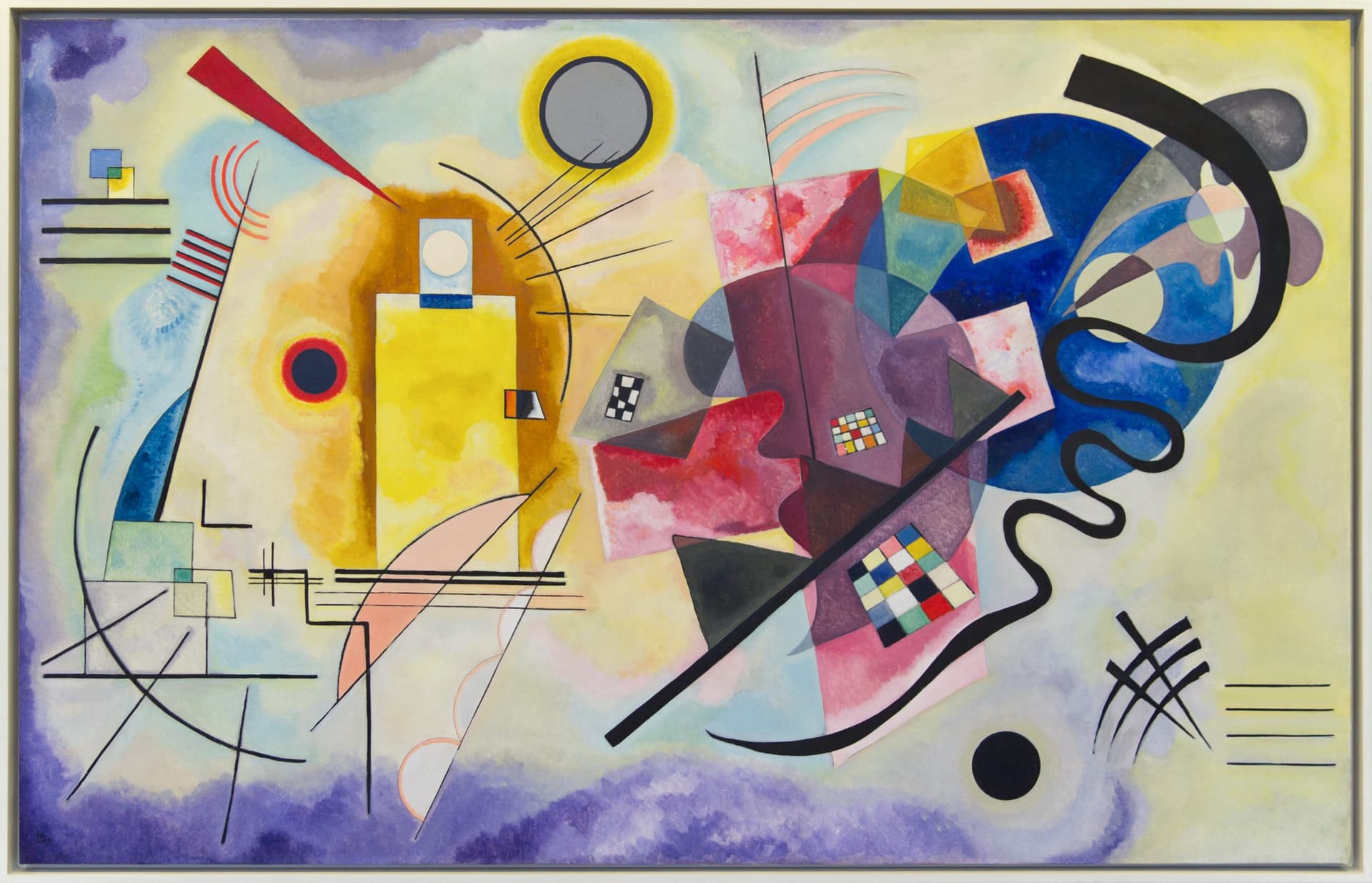
1. The Nature of Artistic Value
Artistic value has traditionally been multifaceted, encompassing the following core elements:
- Aesthetic value: The sensory and emotional impact of the artwork.
- Historical and cultural significance: Its relevance to a specific time, place, or movement.
- Authorship and provenance: The identity, background, and intention of the artist.
- Craftsmanship and effort: The skill, labor, and dedication involved.
- Emotional and symbolic depth: The meaning or message conveyed, whether personal or universal.
AI-generated art challenges several of these dimensions. While it can achieve remarkable aesthetic results, it often lacks authorship in the traditional sense, does not reflect lived experience, and involves minimal human labor. Thus, valuing AI art requires rethinking or recalibrating these pillars.
2. Understanding AI-Generated Art
AI art is typically created using machine learning algorithms that process vast datasets of existing artworks, texts, or music to generate new outputs. These models identify patterns, styles, and structures, and use statistical probabilities to predict and synthesize new content.
For example:
- GANs (Generative Adversarial Networks) create images by pitting two networks against each other—one generates, the other critiques.
- Transformers (e.g., GPT models) write prose, poetry, or lyrics by predicting the next word based on prior context.
- Diffusion models like Stable Diffusion generate high-resolution images from text prompts.
The output can be startlingly sophisticated, often indistinguishable from human work. However, AI lacks consciousness, memory, cultural situatedness, and emotion. It mimics, but does not feel or reflect.
3. Core Differences Between AI and Human Art
To fairly evaluate the relative value of AI and human art, society must recognize their foundational differences.
a. Intention and Subjectivity
Human artists are driven by personal intent—political views, emotional experiences, philosophical inquiries, or spiritual quests. This intention often influences artistic choices and gives depth to their work.
AI, on the other hand, lacks will or consciousness. Its outputs are products of algorithms, not emotional or intellectual exploration. While it can simulate expressive qualities, it does not “mean” anything in the human sense.
b. Cultural Embeddedness
Art reflects context. Picasso’s Guernica responded to war. Frida Kahlo’s paintings mirrored her pain. Human art is a dialogue with the world.
AI-generated art is disconnected from culture. Unless a human intentionally prompts the model with context-specific data, the AI cannot internalize or critique its environment.
c. Effort and Labor
Human artists spend years honing skills, refining concepts, and often struggling financially and emotionally. This investment creates respect and appreciation.
AI generates in seconds. The process, while technically complex on the backend, lacks the perseverance or vulnerability of human labor.
d. Evolving Identity and Style
Artists evolve. They revisit themes, challenge themselves, and engage in creative reinvention. AI does not have identity, memory, or long-term thematic development—unless artificially imposed.
4. The Aesthetic vs. the Authentic
Some argue that art should be judged solely by its appearance or emotional impact, not by its creator. This is the aestheticist perspective: if a painting moves you, does it matter who made it?
However, many artists, critics, and audiences reject this reductionism. Authorship imbues art with authenticity—a sense of truth, experience, or intention. A photorealistic AI portrait may dazzle, but without a story, struggle, or soul, it may not resonate deeply.
The difference between a machine-generated love poem and one written by a grieving partner lies not only in words but in intent. Society values both the product and the process.
5. Economic Value: Pricing and Market Reception
a. Auction Houses and Market Trends
AI-generated artworks have already entered the high-end art market. In 2018, the portrait “Edmond de Belamy,” created by the French collective Obvious using GANs, sold at Christie’s for $432,500. This stunned the art world and marked a turning point in AI’s commercial viability.
Yet this value was partly due to novelty. Unlike Van Gogh’s suffering or Banksy’s subversion, the AI piece carried no legacy or defiance—it was, in essence, a media sensation.
As novelty fades, AI art’s pricing may stabilize lower than that of human art, especially in galleries where originality, narrative, and human prestige matter.
b. Stock Art and Mass Content
In stock image markets, AI art is rapidly devaluing traditional content. Artists who once earned royalties from illustrations now compete with AI users who can flood platforms with unlimited content. This is democratizing, but also economically destabilizing for professionals.
Similarly, music, voiceovers, and poetry are seeing increased automation. AI-generated songs, articles, or jingles are often cheaper and faster, leading companies to opt for efficiency over authenticity.
6. Cultural and Institutional Recognition
a. Museums and Curation
Major museums have begun to exhibit AI art—usually in the context of exploring technology and society. These exhibitions often frame AI as a medium, not as a “creator.”
For instance, artist Refik Anadol uses AI to visualize data streams in immersive installations. While AI processes the information, Anadol curates, interprets, and directs the artistic outcome.
This trend suggests that AI art can gain institutional legitimacy, but primarily as a collaborative or technological experiment—not as a standalone substitute for traditional art.
b. Art Education and Discourse
Art schools now teach AI tools, not to replace human creativity, but to augment it. Just as Photoshop became a design staple, AI is becoming part of the artist’s toolkit.
Academic journals increasingly analyze AI art—its implications, aesthetics, and ethics. But again, the focus is not on replacing human genius, but understanding technological influence.
7. Ethical and Philosophical Dimensions
a. Attribution and Consent
Many AI tools are trained on existing artworks—sometimes without permission. This raises questions about authorship and intellectual theft.
If an AI generates a painting “in the style of Van Gogh,” is it tribute, theft, or transformation? Should the original artist (or their estate) be credited or compensated?
Society must address whether AI art can be original if it relies on past human creation.
b. Emotional Manipulation
AI can generate highly emotional works—sad songs, dramatic scripts, tragic poems. But if the machine never felt grief, is it ethical to simulate it? Are we being manipulated by appearances devoid of substance?
Such questions suggest society should value emotional authenticity, not just aesthetic illusion.
8. AI as a Tool vs. AI as an Artist
A critical distinction lies in whether AI is viewed as:
- A tool (used by human artists), or
- An artist (creating independently of humans).
In most cases today, AI functions as a tool. Artists input prompts, guide iterations, and make curatorial decisions. In such cases, the final output reflects human agency and can be valued accordingly.
Purely autonomous AI creations—where the human plays little or no role—should be considered differently. These may be aesthetically impressive but lack the conceptual depth and cultural situatedness of human-led works.
9. Comparative Framework for Valuation
Given these nuances, society might adopt a tiered valuation framework for art:
|Type of Work|Valuation Approach|Justification|
|Traditional human-created art|High aesthetic, emotional, and cultural value|Reflects experience, intention, history|
|Human-led AI-assisted art|Moderate to high value depending on involvement|Human curates meaning; AI enhances production|
|Autonomous AI-generated art|Aesthetic value only|No authorship, emotion, or cultural narrative|
|Derivative AI art (style mimicry)|Low or controversial value|Raises ethical/legal concerns|
This framework allows room for innovation while preserving human artistry’s unique depth.
10. Future Implications for Society and Culture
a. Art Consumption and Education
Audiences must become more digitally literate—able to distinguish human from AI creation and appreciate both for what they are. Labels, disclosures, and artist statements will be vital in fostering informed engagement.
b. Curation and Preservation
Cultural institutions must decide which AI works merit archival or exhibition. Should museums preserve AI experiments as part of art history? Or should they focus on human narratives?
Curation policies will shape future understanding of creativity.
c. Policy and Regulation
Governments and cultural bodies must establish norms around attribution, copyright, and ethical AI use in creative industries. This includes transparency about AI use, fair compensation, and opt-out rights for training datasets.
11. Recommendations: A Balanced Approach
Rather than dichotomizing AI and human art, society should adopt a balanced and nuanced stance:
- Value AI art for innovation and accessibility, but not as a replacement for human emotion, context, or struggle.
- Celebrate hybrid collaborations, where humans direct AI toward meaningful outcomes.
- Promote transparency, ensuring audiences know whether and how AI was used.
- Support traditional artists, especially those economically displaced by AI.
- Encourage dialogue, not fear—between technologists, artists, critics, and audiences.
Conclusion
AI-generated art represents a profound transformation in the way society creates and consumes artistic content. It challenges traditional notions of authorship, labor, and meaning, while offering new frontiers for innovation, collaboration, and accessibility.
Yet, despite its aesthetic potential, AI art lacks the lived experience, emotional intention, and cultural embeddedness that give human-created art its enduring value. Society should not seek to pit one against the other, but to recognize their differences and celebrate their coexistence.
AI-generated art should be valued—economically, culturally, and intellectually—but differently from human-created pieces. Human art will continue to hold a unique place in our hearts, museums, and history books—not because machines cannot replicate its form, but because they cannot replicate its soul.