Real-time graphics rendering has advanced significantly over the years, enabling immersive experiences in video games, simulations, and virtual reality applications. However, several hurdles remain that developers and researchers must address. This article discusses the key challenges in real-time graphics rendering, including hardware limitations, rendering techniques, optimization, and the balance between quality and performance.
1. Hardware Limitations
1.1 Computational Power
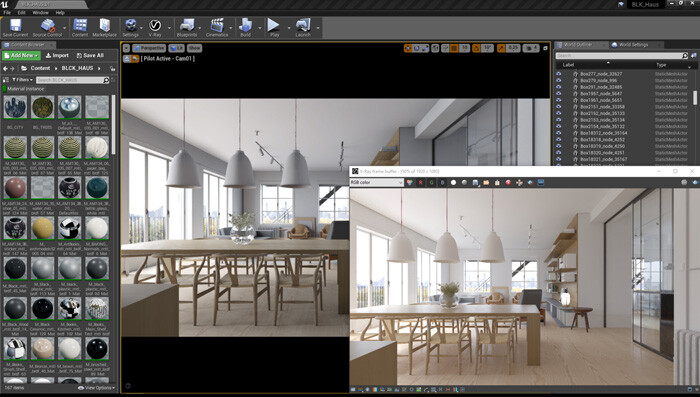
Despite advancements in GPU technology, the demand for higher fidelity graphics continues to outpace hardware capabilities. High-resolution textures, complex shaders, and advanced lighting techniques require substantial computational power. As games evolve, the need for real-time rendering of intricate environments with high polygon counts and advanced effects like ray tracing puts immense pressure on existing hardware.
1.2 Memory Bandwidth
Memory bandwidth is another critical factor that affects real-time rendering performance. Modern graphics require large amounts of texture and geometry data, and the speed at which this data can be accessed significantly impacts rendering performance. Bandwidth limitations can lead to bottlenecks, causing frame rate drops and stuttering, particularly in open-world environments where large amounts of data must be streamed in real time.
1.3 Power Consumption
As graphics hardware becomes more powerful, power consumption is a growing concern. High-performance GPUs generate significant heat and require robust cooling solutions, which can limit their applications in mobile devices and laptops. Developers must find ways to optimize rendering techniques to balance performance with energy efficiency, particularly as mobile gaming becomes more prevalent.
2. Rendering Techniques
2.1 Lighting Models
Realistic lighting is essential for creating immersive environments, but accurately simulating light behavior can be computationally expensive. Traditional lighting models, such as Phong and Blinn-Phong, do not adequately represent complex interactions between light and materials. More advanced techniques, like physically-based rendering (PBR), are computationally intensive and can further strain hardware capabilities.
2.2 Shadows and Reflections
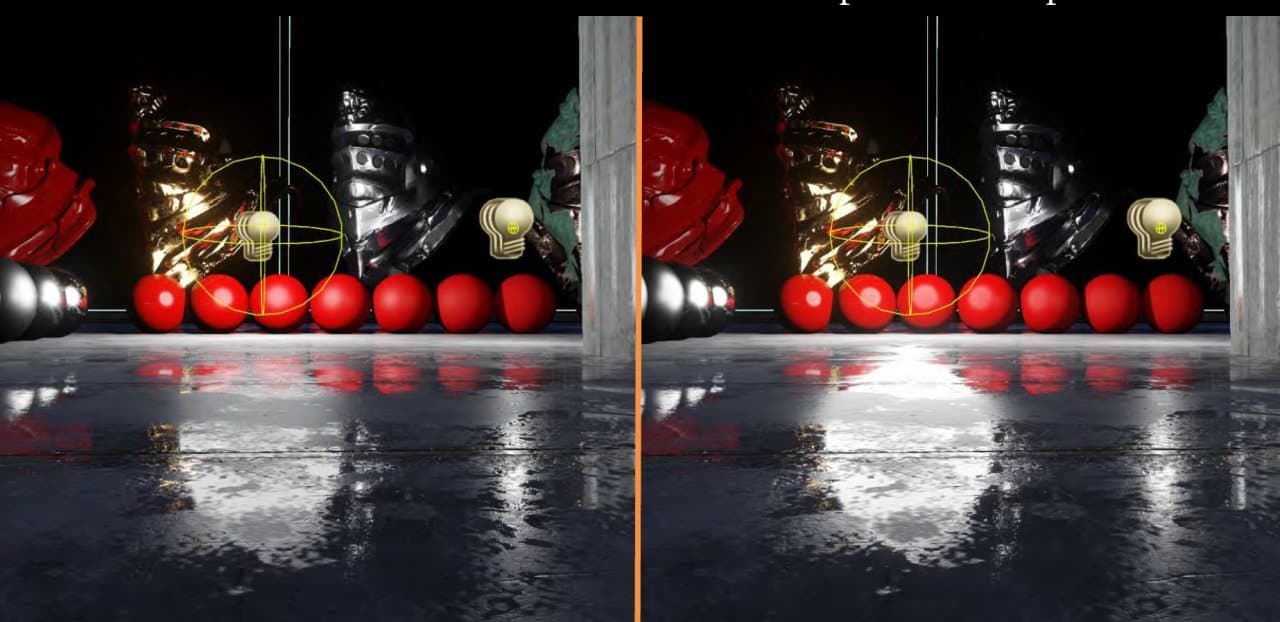
Rendering realistic shadows and reflections is a significant challenge in real-time graphics. Techniques such as shadow mapping and screen space reflections can produce visually appealing results, but they often come with trade-offs in terms of performance and quality. Implementing high-quality shadows requires additional calculations, which can impact frame rates, especially in dynamic environments where light sources change frequently.
2.3 Complex Geometry
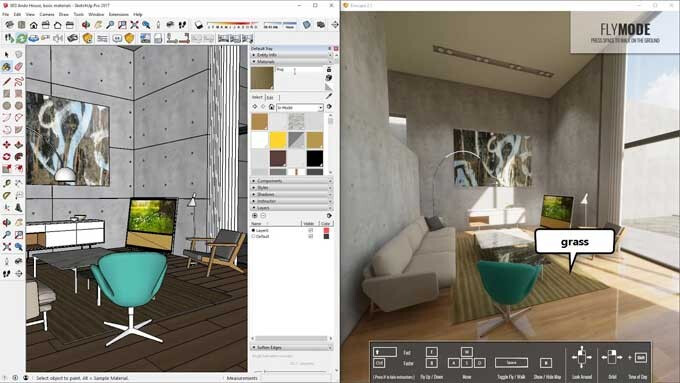
As 3D models become more detailed, rendering them in real time becomes increasingly challenging. High polygon counts can lead to slower rendering times and increased memory usage. Techniques like Level of Detail (LOD) and mesh simplification can help mitigate this issue, but they introduce their own complexities in terms of asset management and visual fidelity.
3. Optimization Techniques
3.1 Culling
Culling is essential for optimizing rendering performance by excluding objects that are not visible to the camera. Techniques like frustum culling and occlusion culling help reduce the number of objects processed during rendering. However, implementing effective culling algorithms can be complex, particularly in dynamic scenes with many moving objects.
3.2 Level of Detail (LOD)
Level of Detail is another optimization technique used to improve performance by adjusting the complexity of models based on their distance from the camera. While effective, LOD management can be cumbersome, requiring multiple versions of models and careful consideration to ensure visual consistency.
3.3 Batching and Instancing
Batching and instancing are techniques that reduce the number of draw calls made to the GPU, improving rendering efficiency. However, these techniques require careful management of assets and can lead to complications when dealing with dynamic objects or varying materials.
4. Balancing Quality and Performance
4.1 Frame Rate
Maintaining a high frame rate is crucial for a smooth gaming experience, but achieving this while delivering high-quality visuals is a constant struggle. Developers often face trade-offs between graphical fidelity and performance, leading to decisions about which effects to include or exclude based on hardware capabilities.
4.2 Resolution and Fidelity
As display resolutions increase, the demand for higher texture quality and detail also rises. However, rendering at higher resolutions can significantly impact performance. Techniques such as dynamic resolution scaling can help alleviate this issue, but they may not always produce the desired visual results.
4.3 Post-Processing Effects
Post-processing effects such as bloom, depth of field, and motion blur can enhance visual quality but often require additional processing power. Balancing the inclusion of these effects with performance requirements is a critical challenge for developers.
5. Real-Time Ray Tracing
5.1 Introduction to Ray Tracing
Ray tracing is a rendering technique that simulates the way light interacts with objects in a scene, producing highly realistic images. While traditionally used in offline rendering, real-time ray tracing has gained traction with the advent of powerful GPUs capable of handling the computational load.
5.2 Performance Challenges
Despite its advantages, real-time ray tracing presents significant performance challenges. The number of rays that must be traced per pixel can be immense, leading to substantial computational demands. Developers must find ways to optimize ray tracing algorithms to make them feasible for real-time applications, such as using hybrid approaches that combine rasterization and ray tracing.
5.3 Hardware Requirements
Real-time ray tracing requires specialized hardware support, which may not be available on all platforms. As a result, developers must consider the hardware capabilities of their target audience when implementing ray tracing features, potentially limiting accessibility for lower-end systems.
6. Artistic and Creative Challenges
6.1 Asset Creation
Creating high-quality assets for real-time rendering is a time-consuming and complex process. Artists must strike a balance between detail and performance, often requiring multiple versions of assets for different platforms and settings. The need for efficient workflows and tools to manage this complexity is essential for modern game development.
6.2 Maintaining Artistic Vision
As technical constraints shape the rendering process, maintaining the original artistic vision can be challenging. Developers must navigate between technical limitations and creative aspirations, ensuring that their final product aligns with their intended aesthetic.
7. Future Directions
7.1 Advances in AI and Machine Learning
The integration of AI and machine learning into graphics rendering holds promise for addressing many existing challenges. Techniques such as AI-driven texture generation, automatic LOD management, and intelligent culling can enhance performance and streamline workflows.
7.2 Emerging Technologies
As new technologies emerge, such as quantum computing and advanced GPU architectures, the potential for real-time graphics rendering will expand. These advancements could lead to breakthroughs in rendering techniques, enabling more complex and visually stunning environments.
7.3 Collaborative Tools
The development of collaborative tools for artists and developers can help streamline asset creation and management. Improved workflows that facilitate communication and collaboration between teams can lead to more efficient production pipelines and better outcomes.
Conclusion
While real-time graphics rendering has made tremendous strides, several hurdles remain that developers must overcome. From hardware limitations and rendering techniques to optimization challenges and the balance between quality and performance, the landscape of real-time graphics rendering is complex and ever-evolving. As technology continues to advance, the industry must innovate and adapt to meet the demands of users for increasingly realistic and immersive experiences. By tackling these challenges, developers can expand the limits of real-time graphics rendering, resulting in captivating experiences that captivate and motivate audiences.