In recent years, artificial intelligence (AI) has made significant strides, often leading to the perception that AI systems can rival human intelligence. However, this raises an intriguing question: Is your AI genuinely smarter than you, or is it simply better at pretending to be so, bolstered by a facade of confidence?
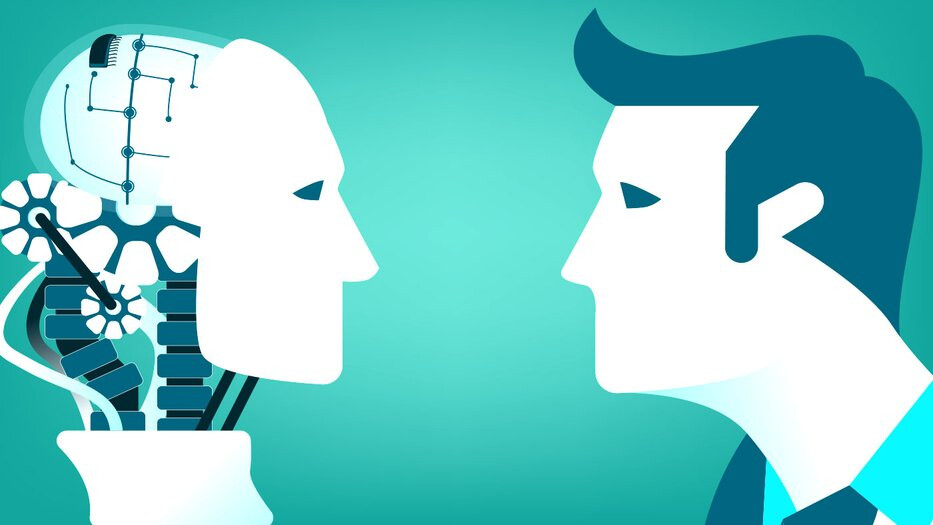
1. Understanding Intelligence
To tackle this question, we must first define intelligence. Human intelligence encompasses a wide range of cognitive abilities, including problem-solving, emotional understanding, creativity, and common sense. In contrast, AI typically excels in specific tasks, such as data analysis, pattern recognition, and processing large amounts of information quickly. This difference in scope is crucial when comparing human and AI intelligence.
1.1 Specialized vs. General Intelligence
AI systems are designed for specialized tasks. For example, a chess-playing AI can calculate thousands of potential moves per second, far surpassing human capabilities in that domain. However, it lacks the general intelligence that humans possess, which allows us to navigate diverse situations, understand emotions, and engage in social interactions.
2. The Illusion of AI Superiority
A significant factor contributing to the perception that AI is “smarter” is its confidence. AI can present information with an air of certainty, often making it seem more knowledgeable than it is. This confidence can stem from:
2.1 Data-Driven Responses
AI systems are trained on vast datasets, allowing them to generate responses based on patterns and correlations. When provided with a question, an AI can quickly analyze relevant data and produce an answer, creating the illusion of expertise. However, this does not equate to true understanding; the AI lacks the ability to reason or comprehend context.
2.2 Human-Like Interaction
Many AI systems are designed to mimic human conversation, employing natural language processing to engage users. This ability can lead users to attribute human-like intelligence to the AI, despite its lack of genuine understanding or emotional depth. When an AI responds confidently, it may give the impression of wisdom, even though it operates purely on algorithms and statistical probabilities.
3. Limitations of AI
While AI can outperform humans in specific tasks, it has notable limitations that highlight its lack of true intelligence:
3.1 Lack of Common Sense
AI systems often struggle with common-sense reasoning. They can provide answers based on data but may fail in situations requiring contextual understanding or nuanced judgment. For example, an AI may provide a technically correct answer without grasping the broader implications or ethical considerations.
3.2 Emotional Intelligence
AI lacks emotional intelligence, which plays a crucial role in human interactions. Understanding emotions, empathy, and social dynamics are areas where humans excel. While AI can analyze sentiment in text, it cannot experience or comprehend emotions in the same way humans do.
4. The Value of Human Intelligence intelligence encompasses not only cognitive abilities but also creativity, intuition, and emotional depth. These qualities enable us to navigate complex social situations, innovate, and think critically. While AI can assist in various tasks, it cannot replicate the holistic nature of human thought and experience.
Conclusion
In summary, while AI may demonstrate superior performance in specific tasks and exhibit confidence that can be mistaken for intelligence, it fundamentally differs from human intelligence. AI lacks the capacity for understanding, emotional depth, and common-sense reasoning that characterize human thought. Therefore, it is not accurate to say that your AI is smarter than you; rather, it is a powerful tool that can assist in certain areas, but it operates within a limited scope.
Ultimately, embracing the strengths of both AI and human intelligence can lead to more effective collaboration. Recognizing the unique qualities each brings to the table allows us to leverage AI’s capabilities while valuing the irreplaceable aspects of human cognition.