Artificial Intelligence (AI) agents have become integral components across various industries, transforming operations, enhancing efficiency, and providing innovative solutions to complex problems. This exploration focuses on the real-world applications of AI agents in three key sectors: finance, logistics, and education. Each section will highlight specific use cases, the technologies involved, and the benefits derived from implementing AI agents in these industries.
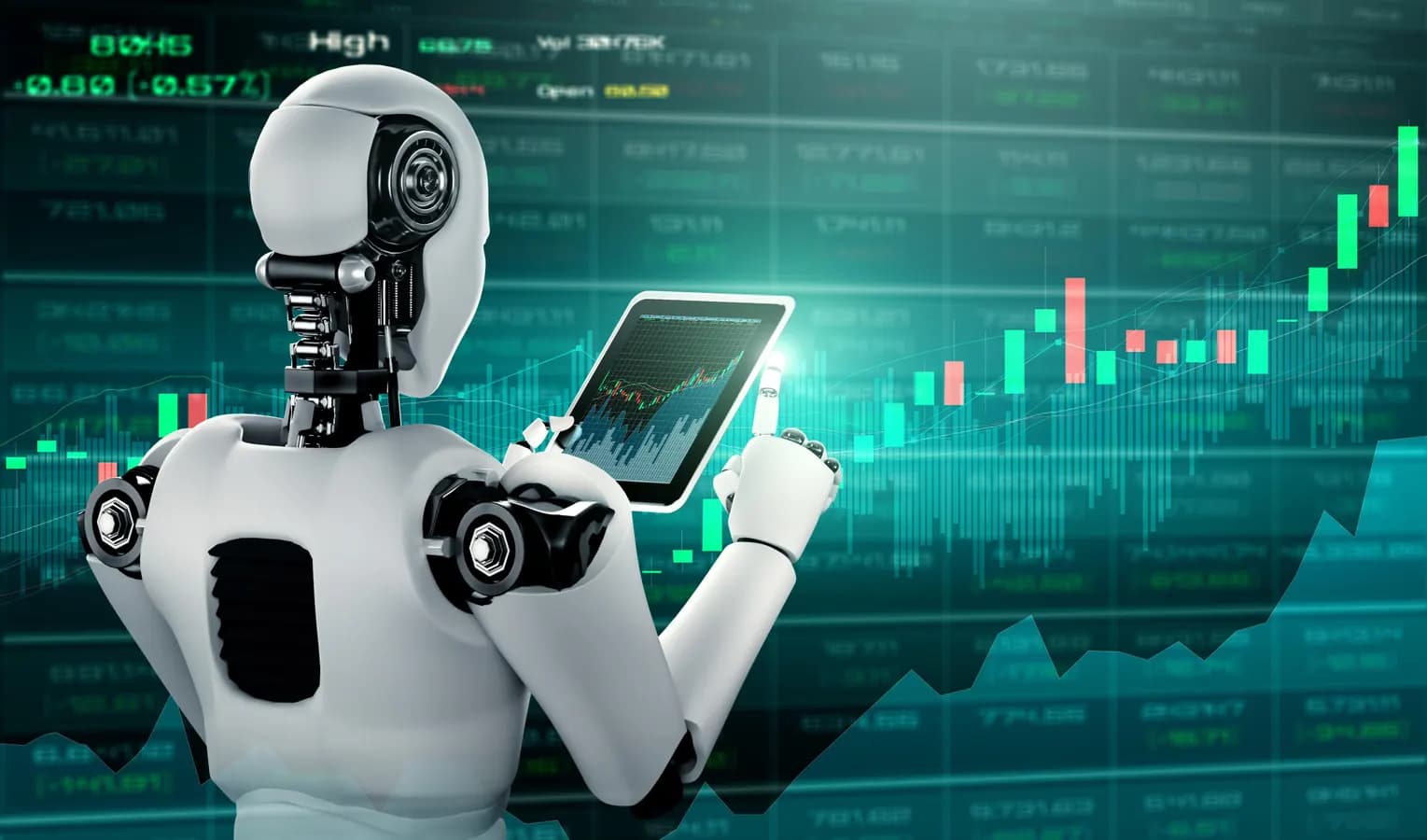
1. AI Agents in Finance
1.1 Algorithmic Trading
Overview: Algorithmic trading involves using AI agents to execute trades on financial markets at high speeds and volumes. These agents analyze vast datasets to identify trading opportunities based on predefined strategies.
Key Technologies:
- Machine Learning: Algorithms learn from historical data to predict market movements.
- Natural Language Processing (NLP): Analyzes news articles and social media to gauge market sentiment.
Benefits:
- Increased Efficiency: AI agents can process data and execute trades faster than human traders.
- Improved Accuracy: Algorithms reduce human error, leading to more precise trading decisions.
- Cost Reduction: Automating trading processes minimizes transaction costs.
1.2 Credit Scoring
Overview: AI agents are used to assess the creditworthiness of individuals and businesses by analyzing various factors that traditional scoring methods may overlook.
Key Technologies:
- Data Analytics: AI evaluates a broader spectrum of data, including social media activity, transaction history, and online behavior.
- Predictive Modeling: Machine learning models predict the likelihood of default based on historical data.
Benefits:
- Enhanced Accuracy: More comprehensive data analysis leads to better risk assessment.
- Faster Decision-Making: AI agents can process applications and provide credit decisions in real-time.
- Inclusivity: By considering alternative data sources, AI can extend credit to underserved populations.
1.3 Fraud Detection
Overview: Financial institutions employ AI agents to monitor transactions for suspicious activities, helping to prevent fraud in real-time.
Key Technologies:
- Anomaly Detection: Machine learning algorithms identify unusual patterns that may indicate fraudulent activity.
- Neural Networks: Deep learning models analyze complex transaction data to improve detection accuracy.
Benefits:
- Real-Time Monitoring: AI agents can continuously analyze transactions, flagging potential fraud instantly.
- Reduced False Positives: Enhanced accuracy minimizes the number of legitimate transactions incorrectly flagged as fraud.
- Cost Savings: Early detection of fraud reduces financial losses for institutions.
1.4 Personal Finance Management
Overview: AI agents are utilized in personal finance applications to help individuals manage their finances more effectively.
Key Technologies:
- Chatbots: Virtual assistants provide personalized financial advice and support.
- Machine Learning: Algorithms analyze spending patterns to offer tailored budgeting recommendations.
Benefits:
- Improved Financial Literacy: Users receive insights and tips to enhance their understanding of personal finance.
- Goal Setting: AI agents help users set and track financial goals based on their income and spending habits.
- Convenience: Automated budgeting tools simplify financial management for users.
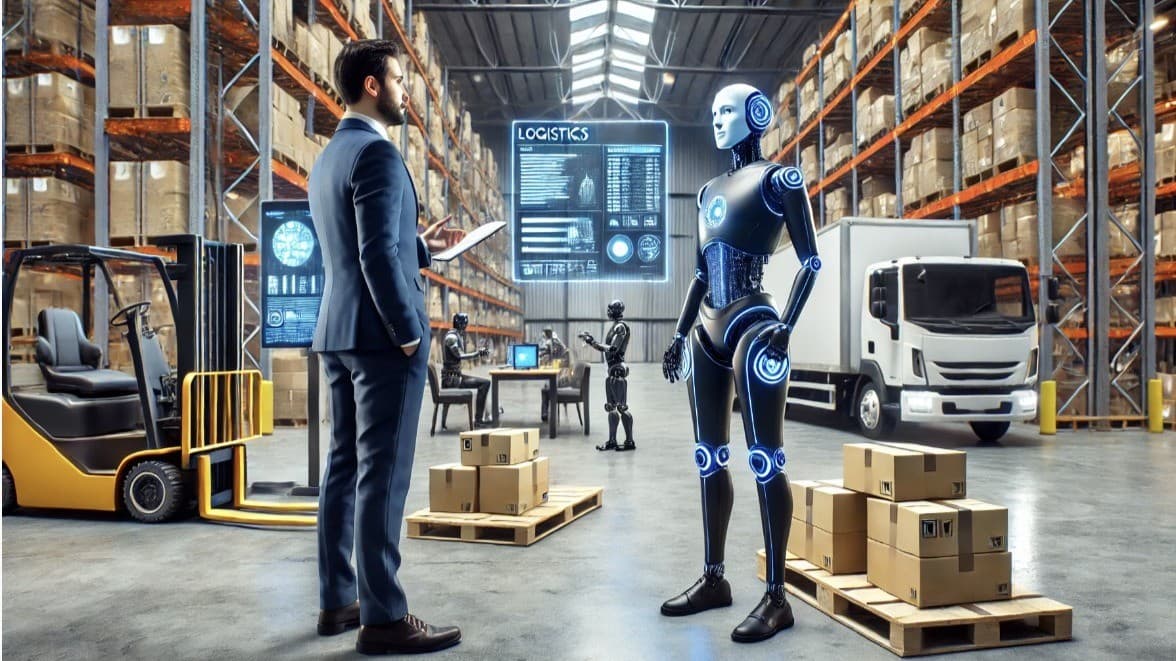
2. AI Agents in Logistics
2.1 Supply Chain Optimization
Overview: AI agents play a critical role in optimizing supply chain operations by analyzing data to forecast demand, manage inventory, and streamline logistics.
Key Technologies:
- Predictive Analytics: Algorithms forecast future demand based on historical sales data and market trends.
- Machine Learning: Continuous learning from data improves accuracy in demand forecasting.
Benefits:
- Reduced Costs: Efficient inventory management minimizes holding costs and reduces waste.
- Enhanced Responsiveness: AI agents can quickly adapt to changing market conditions, ensuring timely delivery of goods.
- Improved Customer Satisfaction: Accurate demand forecasting leads to better product availability.
2.2 Route Optimization
Overview: AI agents are employed to determine the most efficient delivery routes for logistics companies, minimizing travel time and fuel consumption.
Key Technologies:
- Geographic Information Systems (GIS): Analyzes spatial data to optimize routes.
- Reinforcement Learning: Algorithms learn from past delivery data to continuously improve routing decisions.
Benefits:
- Cost Savings: Optimized routes reduce fuel expenses and vehicle wear-and-tear.
- Timely Deliveries: Improved routing enhances delivery speed, boosting customer satisfaction.
- Environmental Impact: Reduced fuel consumption contributes to lower carbon emissions.
2.3 Warehouse Automation
Overview: AI agents are integral to automating warehouse operations, including inventory management, picking, and sorting.
Key Technologies:
- Robotics: Automated guided vehicles (AGVs) and robotic arms assist in material handling.
- Computer Vision: AI systems identify and track items in warehouses.
Benefits:
- Increased Efficiency: Automation accelerates warehouse operations, reducing order fulfillment times.
- Labor Cost Reduction: Fewer manual labor requirements lead to lower operational costs.
- Enhanced Accuracy: AI-driven systems minimize errors in inventory management.
2.4 Demand Forecasting
Overview: AI agents analyze historical sales data and market trends to predict future demand for products.
Key Technologies:
- Time Series Analysis: Algorithms analyze time-based data to identify patterns and trends.
- Machine Learning: Models learn from historical data to improve forecasting accuracy.
Benefits:
- Improved Inventory Management: Accurate demand forecasts help maintain optimal stock levels.
- Cost Reduction: Better forecasting reduces excess inventory and associated holding costs.
- Enhanced Decision-Making: Data-driven insights empower businesses to make informed strategic decisions.
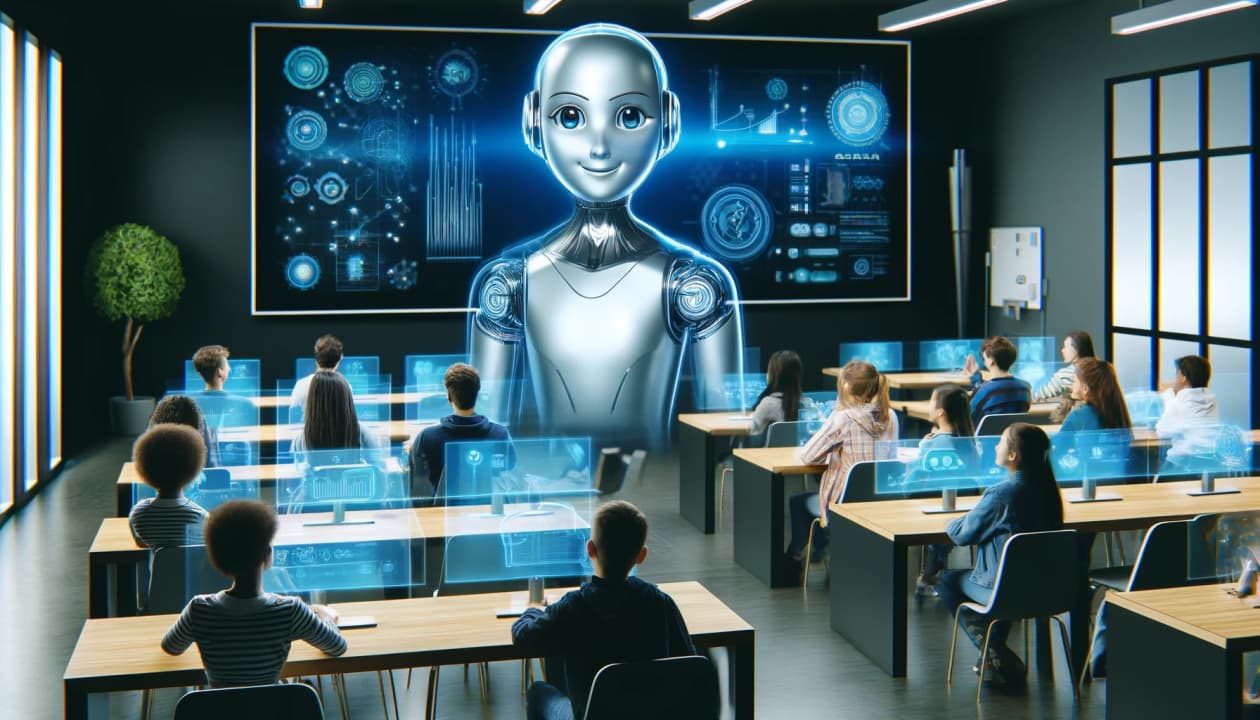
3. AI Agents in Education
3.1 Personalized Learning
Overview: AI agents provide personalized learning experiences for students by adapting content and assessments based on individual needs and learning styles.
Key Technologies:
- Adaptive Learning Platforms: Systems that modify learning paths based on student performance.
- Data Analytics: Algorithms analyze student interactions to identify strengths and weaknesses.
Benefits:
- Improved Engagement: Tailored content keeps students motivated and interested in learning.
- Enhanced Learning Outcomes: Personalized approaches facilitate better understanding and retention of material.
- Greater Accessibility: AI can accommodate diverse learning needs, ensuring inclusivity in education.
3.2 Intelligent Tutoring Systems
Overview: AI agents serve as virtual tutors, providing support and guidance to students in various subjects.
Key Technologies:
- Natural Language Processing (NLP): Enables AI tutors to understand and respond to student queries in real-time.
- Machine Learning: Continuously learns from student interactions to improve tutoring effectiveness.
Benefits:
- 24/7 Availability: Students can access support at any time, enhancing learning opportunities.
- Immediate Feedback: AI tutors provide instant feedback on assignments and assessments, promoting continuous improvement.
- Cost-Effective Solutions: Reduces the need for additional human tutors, making learning support more accessible.
3.3 Administrative Automation
Overview: AI agents streamline administrative tasks in educational institutions, such as scheduling, enrollment, and grading.
Key Technologies:
- Robotic Process Automation (RPA): Automates repetitive administrative tasks.
- Machine Learning: Analyzes data to improve decision-making in administrative processes.
Benefits:
- Increased Efficiency: Automation reduces the time and effort required for administrative tasks.
- Cost Savings: Streamlined processes lower operational costs for educational institutions.
- Improved Accuracy: Reduces human error in administrative functions.
3.4 Predictive Analytics for Student Success
Overview: AI agents analyze student data to identify factors that influence academic performance and predict student outcomes.
Key Technologies:
- Data Mining: Extracts insights from large datasets to identify patterns in student behavior.
- Machine Learning: Models predict student success based on historical performance and engagement data.
Benefits:
- Early Intervention: Identifying at-risk students allows for timely support and resources to improve outcomes.
- Enhanced Retention: Data-driven insights help institutions implement strategies to retain students.
- Informed Decision-Making: Educational leaders can make data-informed decisions to enhance student success.
Conclusion
AI agents are revolutionizing industries such as finance, logistics, and education by providing innovative solutions that enhance efficiency, accuracy, and decision-making. In finance, AI agents improve trading, credit scoring, and fraud detection. In logistics, they optimize supply chains, routes, and warehouse operations. AI agents are being used in education to predict student success, automate administrative tasks, and personalize learning.
As AI technology continues to evolve, its applications will expand, leading to even more transformative effects across various sectors. By embracing AI agents, businesses and educational institutions can harness the power of data-driven insights, ultimately improving their operations and outcomes.