Artificial Intelligence (AI) has rapidly evolved over the past few decades, transforming numerous aspects of daily life and work. Among its many applications, AI’s impact on creativity stands out as a particularly intriguing area of exploration. Creativity, a uniquely human trait, encompasses the ability to generate new ideas, concepts, and solutions. The intersection of AI and creativity raises essential questions about collaboration, enhancement, and even the nature of creativity itself. This exploration aims to delve into how AI influences human creativity, examining both the positive and challenging aspects of this relationship.
Collaboration Between Humans and AI
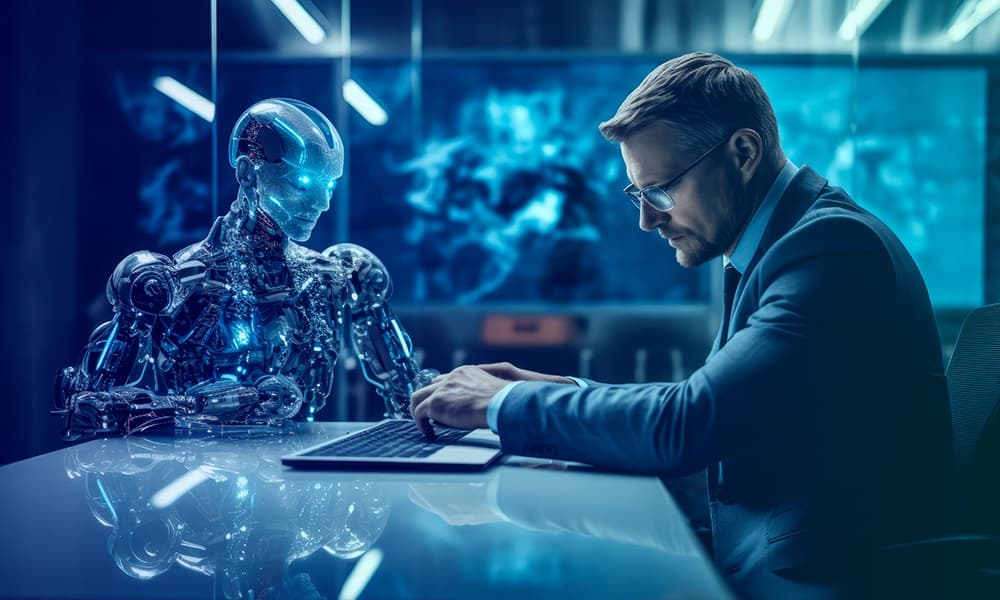
One of the most promising avenues for AI’s influence on creativity lies in its ability to serve as a collaborative partner. Rather than replacing human creativity, AI can enhance it by providing new tools and perspectives. For instance, AI-driven platforms can analyze vast amounts of data, identify patterns, and generate ideas that may not have occurred to human creators. Musicians, artists, and writers can utilize AI algorithms to explore novel styles, sounds, or narratives, opening up fresh avenues for creative expression.
In the music industry, AI has already begun to reshape how artists compose. Programs such as OpenAI’s MuseNet or Google’s Magenta use deep learning to generate music in various styles. Musicians can input their preferences or existing melodies, and the AI suggests new chords, harmonies, or even entire compositions. This collaboration allows artists to experiment without the fear of failure, as they can easily tweak AI-generated suggestions. Such partnerships can lead to innovative works that blend human emotion with AI’s analytical capabilities.
Expanding Creative Horizons
AI’s ability to process and analyze information at scale offers creators unprecedented access to inspiration and resources. By sifting through vast databases of existing art, literature, and music, AI can help artists identify trends, historical influences, and emerging themes. For example, writers can utilize AI to analyze the structure of successful novels, providing insights into pacing, character development, and plot twists. This data-driven approach can help authors refine their craft while maintaining their unique voice.
Furthermore, AI can facilitate cross-disciplinary collaboration. Artists from different fields can leverage AI to find common ground, leading to innovative projects that blend visual arts, music, and literature. For example, a visual artist might collaborate with a musician and an AI tool that generates visual interpretations of sound. Such interdisciplinary projects can foster a rich tapestry of creativity that might not emerge through traditional methods.
Democratizing Creativity
AI also has the potential to democratize creativity. Tools that leverage AI are becoming more accessible, allowing individuals without formal training in art or music to create. For instance, platforms like DALL-E enable users to generate images from simple text prompts, allowing anyone to express their ideas visually. This accessibility empowers a broader range of voices and perspectives, enriching the creative landscape.
In education, AI can serve as a valuable resource for aspiring creators. Learning platforms equipped with AI can provide personalized feedback, helping students hone their skills in real time. Such tailored guidance can inspire confidence and encourage experimentation, enabling individuals to explore their creative potential without the constraints of traditional educational systems.
Challenges and Ethical Considerations
Despite the potential benefits of AI in the creative realm, challenges and ethical considerations abound. One concern revolves around the nature of authorship and ownership. When AI generates a piece of art or music, questions arise: Who owns the work? The creator who provided the input, the developers of the AI, or the AI itself? As AI continues to evolve, legal frameworks will need to adapt to address these complex issues.
Another concern involves the potential dilution of human creativity. As AI-generated content becomes more prevalent, there exists a fear that human-created works may lose their uniqueness. The ease with which AI can produce art and music might lead to a saturation of similar styles and ideas, making it harder for individual creators to stand out. Artists may feel pressured to compete with AI, leading to a sense of inadequacy or burnout.
Additionally, reliance on AI can inadvertently stifle creativity. If creators become overly dependent on AI-generated suggestions, they may neglect the fundamental processes of brainstorming, experimentation, and iteration that are crucial to the creative journey. The richness of human creativity often stems from navigating challenges, embracing failures, and pursuing personal visions. Striking a balance between leveraging AI and maintaining one’s creative instincts remains essential.
Redefining Creativity
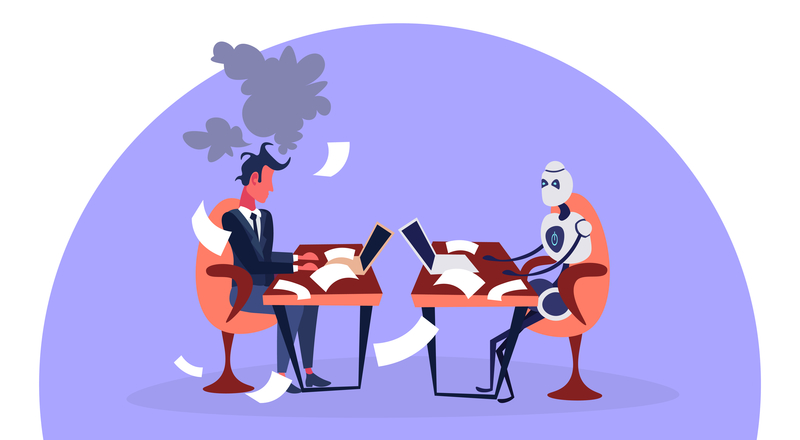
AI’s influence on creativity invites a reevaluation of what it means to be creative. Traditionally, creativity has been viewed as an inherently human trait, grounded in emotion, experience, and intuition. However, as AI becomes more integrated into creative processes, it challenges these notions. Can AI be considered creative if it generates novel works? This question prompts a deeper exploration of creativity itself.
Some argue that creativity is not solely about the end product but also about the process. If AI contributes to the creative process by providing inspiration or facilitating collaboration, it can be seen as a valuable tool rather than a replacement for human creativity. This perspective encourages a more inclusive definition of creativity that encompasses both human and machine contributions.
Moreover, the relationship between AI and creativity can serve as a mirror reflecting societal values and cultural shifts. As AI-generated art and music gain acceptance, they may influence how future generations perceive creativity. The blurring of lines between human and machine creativity could lead to new forms of artistic expression that challenge traditional boundaries. This evolution may inspire individuals to rethink their roles as creators and collaborators in an increasingly complex creative landscape.
The Future of AI and Human Creativity
Looking ahead, the future of AI and human creativity holds both promise and uncertainty. As technology continues to advance, new tools will emerge, further enhancing creative capabilities. Artists, writers, and musicians will likely engage in increasingly sophisticated collaborations with AI, leading to innovative forms of expression that we cannot yet imagine.
However, navigating this future will require a thoughtful approach. Stakeholders in the creative community—artists, technologists, educators, and policymakers—must engage in ongoing discussions about the ethical implications of AI in creativity. Establishing frameworks that promote responsible AI use while safeguarding human creativity will be paramount.
Educational institutions can play a vital role in preparing future creators for this evolving landscape. By integrating AI tools into curriculums and emphasizing critical thinking, collaboration, and adaptability, educators can equip students with the skills necessary to thrive in a world where AI is a creative partner.
Bottom Words
AI’s influence on human creativity represents a dynamic and multifaceted relationship. While it offers opportunities for collaboration, inspiration, and democratization, it also raises important challenges regarding authorship, ownership, and the essence of creativity itself. As society embraces these changes, a balanced approach will be essential—one that values human intuition and emotion while leveraging the analytical capabilities of AI.
The journey of creativity will undoubtedly evolve, shaped by the interplay between human ingenuity and technological advancement. Embracing this evolution with curiosity and caution can lead to a richer, more diverse creative landscape that celebrates both human and machine contributions. In this exciting new era, the potential for creativity knows no bounds, inviting all of us to explore, collaborate, and innovate in ways previously thought unimaginable.