Artificial intelligence (AI) agents have transformed various aspects of our daily lives, particularly in applications like virtual assistants and customer support systems. These intelligent systems enhance efficiency, improve user experience, and provide personalized services. This comprehensive exploration will delve into the multiple ways AI agents are utilized in everyday applications, examining their functionalities, benefits, challenges, and future prospects.
1. Understanding AI Agents
1.1 Definition
AI agents are systems that can perceive their environment, reason about it, and take actions to achieve specific goals. They can operate autonomously or semi-autonomously, adapting to user needs and preferences over time. These agents employ machine learning, natural language processing (NLP), and other AI technologies to understand and respond to human inputs effectively.
1.2 Types of AI Agents
AI agents can be classified into several categories based on their functionalities:
- Reactive Agents: These agents react to specific stimuli without retaining previous experiences. They are often used in straightforward tasks.
- Deliberative Agents: These agents maintain an internal model of the world, allowing them to plan and make decisions based on past experiences.
- Hybrid Agents: Combining aspects of both reactive and deliberative agents, hybrid agents can adapt to dynamic environments while also planning for future actions.
2. Virtual Assistants
2.1 Overview
Virtual assistants are among the most recognizable applications of AI agents. They are designed to perform tasks or services for individuals, often through voice commands or text-based interactions. Examples include Siri, Google Assistant, Alexa, and Cortana.
2.2 Key Functions
2.2.1 Voice Recognition and Natural Language Processing
Virtual assistants utilize advanced voice recognition and NLP to understand user commands accurately. This allows them to interpret queries, execute tasks, and engage in more human-like conversations.
2.2.2 Task Automation
Virtual assistants can automate various everyday tasks, such as setting reminders, sending messages, making phone calls, and managing calendars. This automation enhances productivity and simplifies users’ lives.
2.2.3 Information Retrieval
Users can ask virtual assistants for information on a wide range of topics, from weather updates to trivia questions. The AI agent retrieves relevant data from the internet or built-in databases and presents it in an easily digestible format.
2.2.4 Smart Home Integration
Many virtual assistants integrate with smart home devices, enabling users to control lighting, thermostats, security systems, and appliances through voice commands. This interoperability enhances convenience and energy efficiency.
2.3 Benefits of Virtual Assistants
- Convenience: Users can perform tasks hands-free, allowing them to multitask effectively.
- Personalization: Virtual assistants learn user preferences over time, tailoring responses and suggestions to individual needs.
- Accessibility: They provide accessibility features for individuals with disabilities, enabling voice control for various tasks.
2.4 Challenges
- Privacy Concerns: Continuous listening capabilities can raise concerns about user privacy and data security.
- Understanding Context: While advancements in NLP have improved, virtual assistants can still struggle with ambiguous queries or complex contexts.
3. Customer Support Systems
3.1 Overview
AI agents are increasingly used in customer support systems to enhance service quality and improve response times. These systems often include chatbots and virtual agents that interact with customers through text or voice interfaces.
3.2 Key Functions
3.2.1 Automated Responses
AI agents can provide instant responses to frequently asked questions, reducing wait times and improving customer satisfaction. They can handle basic inquiries, such as account status or product information.
3.2.2 24/7 Availability
Unlike human agents, AI agents can operate around the clock, ensuring that customers receive assistance at any time, regardless of time zones or business hours.
3.2.3 Issue Resolution
AI agents can guide customers through troubleshooting steps for common issues, helping to resolve problems without the need for human intervention. This self-service capability can significantly reduce operational costs for businesses.
3.2.4 Escalation to Human Agents
When complex issues arise, AI agents can recognize when to escalate the conversation to a human representative, ensuring that customers receive the appropriate level of support.
3.3 Benefits of Customer Support Systems
- Enhanced Efficiency: AI agents can handle multiple inquiries simultaneously, improving response times and reducing customer frustration.
- Cost Savings: Automating routine inquiries can lower labor costs for companies, allowing human agents to focus on more complex tasks.
- Data Insights: AI agents can analyze customer interactions to identify trends, preferences, and areas for improvement in service delivery.
3.4 Challenges
- Limited Understanding: AI agents may struggle with nuanced or complex queries, leading to frustration for customers expecting more personalized support.
- User Acceptance: Some customers prefer interacting with human agents, making it essential for companies to strike a balance between automation and human touch.
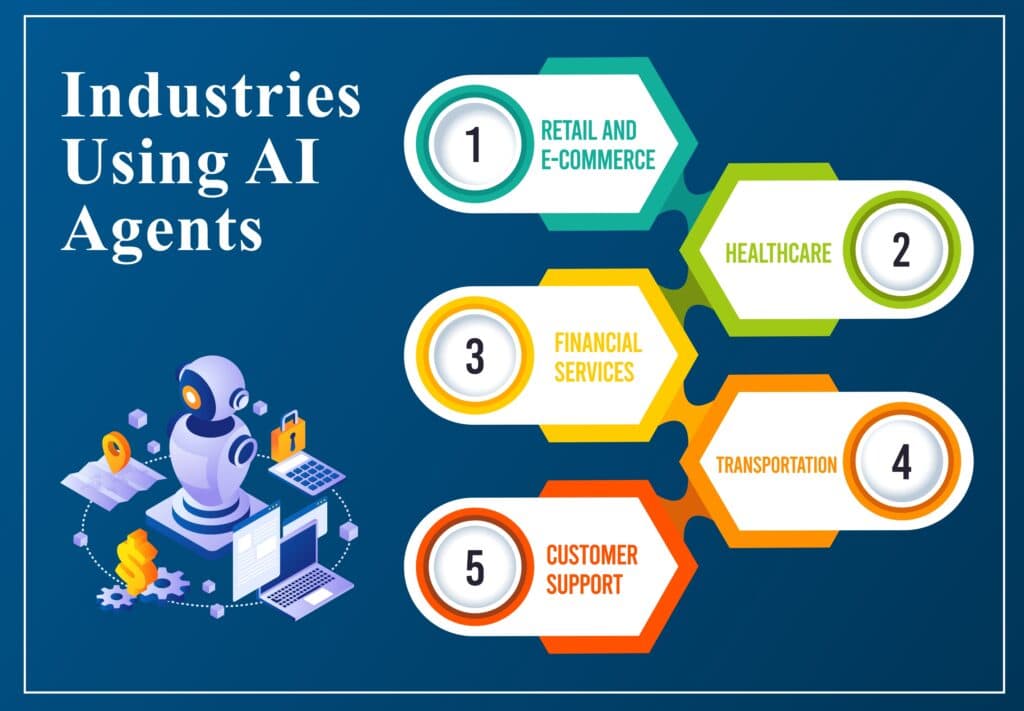
4. AI Agents in E-commerce
4.1 Overview
In the e-commerce sector, AI agents play a vital role in enhancing the shopping experience and streamlining operations. They can assist customers in finding products, answering inquiries, and providing personalized recommendations.
4.2 Key Functions
4.2.1 Personalized Recommendations
AI agents analyze customer behavior and preferences to provide tailored product recommendations. This personalization can lead to higher conversion rates and increased customer loyalty.
4.2.2 Virtual Shopping Assistants
Some e-commerce platforms employ AI agents as virtual shopping assistants, guiding users through product selections based on their preferences and needs. They can answer questions about product specifications, availability, and pricing.
4.2.3 Order Tracking and Support
AI agents can assist customers with order tracking, providing real-time updates on shipping status and delivery times. They can also handle inquiries related to returns or exchanges.
4.3 Benefits of AI Agents in E-commerce
- Improved User Experience: Personalized interactions enhance the shopping experience, making it more engaging and user-friendly.
- Increased Sales: Tailored recommendations can lead to higher sales and customer retention.
- Operational Efficiency: Automating customer support tasks reduces the workload on human agents, allowing them to focus on more complex issues.
4.4 Challenges
- Data Privacy: Collecting and analyzing customer data raises concerns about privacy and the ethical use of data.
- Algorithm Bias: If not properly managed, AI algorithms can reinforce biases in product recommendations, leading to a less diverse shopping experience.
5. AI Agents in Healthcare
5.1 Overview
AI agents are increasingly being used in healthcare to enhance patient care, streamline administrative tasks, and improve outcomes. They can assist with scheduling, patient monitoring, and providing health information.
5.2 Key Functions
5.2.1 Virtual Health Assistants
AI agents can act as virtual health assistants, helping patients manage their health by providing reminders for medication, appointments, and lifestyle changes. They can also answer common health-related inquiries.
5.2.2 Telemedicine Support
AI agents can facilitate telemedicine consultations by helping patients navigate the process, scheduling appointments, and providing pre-visit instructions.
5.2.3 Data Analysis and Insights
AI agents can analyze patient data to identify trends, monitor health conditions, and provide insights to healthcare providers, enabling more personalized treatment plans.
5.3 Benefits of AI Agents in Healthcare
- Improved Patient Engagement: Virtual health assistants encourage patients to take an active role in managing their health.
- Efficiency in Administrative Tasks: Automating scheduling and administrative tasks reduces the burden on healthcare staff, allowing them to focus on patient care.
- Enhanced Decision-Making: Data-driven insights can support healthcare providers in making informed decisions about patient treatment.
5.4 Challenges
- Data Security: Protecting sensitive patient data is crucial, and breaches can have serious consequences.
- Regulatory Compliance: Healthcare is heavily regulated, and AI agents must comply with various laws and regulations to ensure patient safety and privacy.
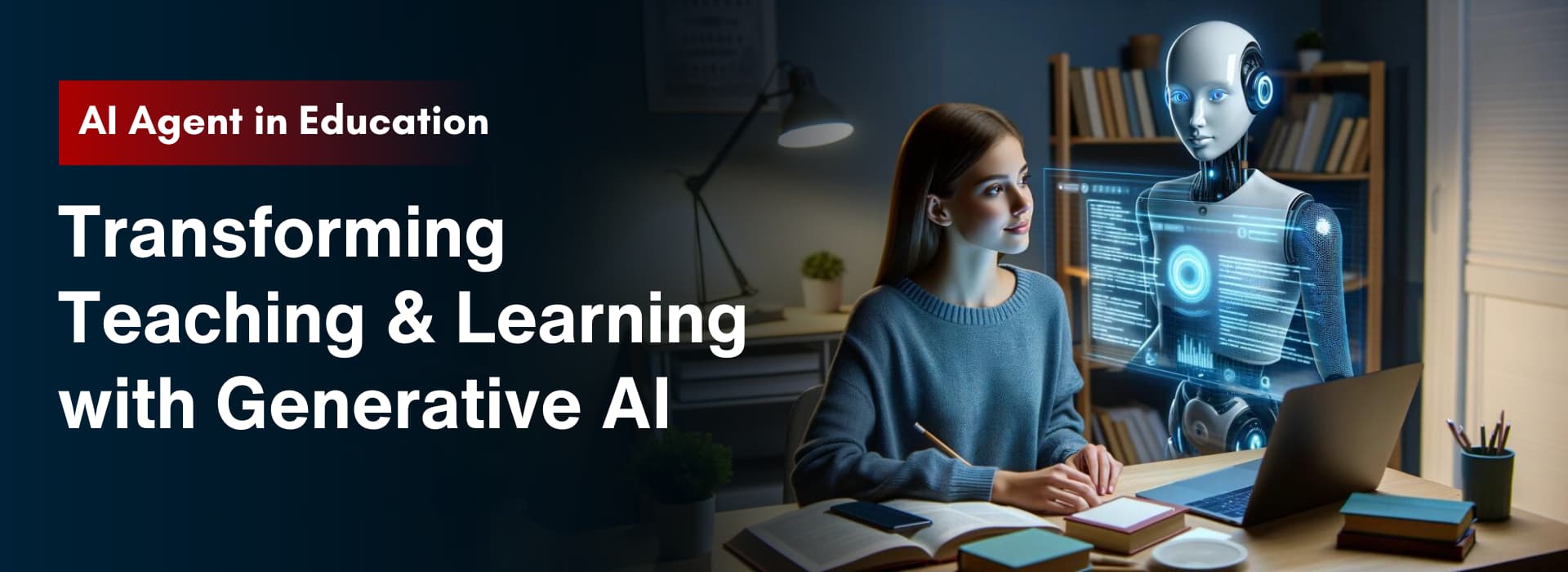
6. AI Agents in Education
6.1 Overview
In the education sector, AI agents are transforming how students learn and interact with educational content. They can provide personalized learning experiences, tutoring, and administrative support.
6.2 Key Functions
6.2.1 Personalized Learning
AI agents can adapt educational content based on individual student learning styles and progress, providing tailored resources and assessments to enhance understanding.
6.2.2 Virtual Tutoring
AI agents can function as virtual tutors, offering additional support in subjects where students may struggle. They can provide explanations, resources, and practice exercises to reinforce learning.
6.2.3 Administrative Assistance
AI agents can assist educators with administrative tasks, such as grading assignments, tracking student progress, and managing communication with parents.
6.3 Benefits of AI Agents in Education
- Enhanced Learning Outcomes: Personalized learning experiences can lead to improved student engagement and academic performance.
- Scalability: AI agents can provide support to a large number of students simultaneously, making quality education more accessible.
- Efficiency for Educators: Automating administrative tasks allows teachers to focus more on instruction and student interaction.
6.4 Challenges
- Equity in Access: Not all students have equal access to technology, which may create disparities in educational opportunities.
- Quality of Content: Ensuring that the content provided by AI agents is accurate, relevant, and aligned with educational standards is essential.
7. AI Agents in Financial Services
7.1 Overview
In the financial sector, AI agents are being used to enhance customer service, streamline operations, and provide personalized financial advice. They can assist with tasks ranging from account management to investment strategies.
7.2 Key Functions
7.2.1 Chatbots for Customer Support
Financial institutions often employ AI chatbots to handle customer inquiries, provide account information, and assist with transactions. This reduces wait times and improves service efficiency.
7.2.2 Personal Finance Management
AI agents can help users manage their finances by analyzing spending patterns, providing budgeting advice, and offering personalized savings strategies.
7.2.3 Fraud Detection
AI agents can analyze transaction data in real-time to detect unusual patterns that may indicate fraudulent activity, improving security for financial transactions.
7.3 Benefits of AI Agents in Financial Services
- Improved Customer Experience: Quick and accurate responses to inquiries enhance customer satisfaction and loyalty.
- Cost Efficiency: Automating routine tasks can reduce operational costs for financial institutions.
- Enhanced Security: AI-driven fraud detection can minimize losses and protect customers’ financial information.
7.4 Challenges
- Regulatory Compliance: Financial services are subject to strict regulations, and AI agents must operate within these legal frameworks.
- Data Privacy: Protecting sensitive financial data is critical, and breaches can have devastating consequences for both institutions and customers.

8. Future Prospects of AI Agents
8.1 Advancements in Technology
The future of AI agents is promising, with advancements in machine learning, NLP, and cognitive computing. These technologies will enhance the capabilities of AI agents, allowing them to understand context better, engage in more natural conversations, and provide even more personalized experiences.
8.2 Integration Across Industries
AI agents will continue to be integrated across various industries, including healthcare, finance, education, and retail. This cross-industry integration will lead to the development of more comprehensive solutions that cater to diverse user needs.
8.3 Ethical Considerations
As AI agents become more prevalent, addressing ethical considerations will be paramount. Issues related to bias, privacy, and transparency must be prioritized to ensure that AI agents serve the public good and do not perpetuate existing inequalities.
8.4 Human-AI Collaboration
The future will likely see a shift towards human-AI collaboration, where AI agents complement human efforts rather than replace them. This collaboration can enhance productivity, creativity, and problem-solving capabilities across various domains.
Final Thoughts
AI agents are transforming everyday applications, enhancing user experiences, and streamlining operations across various sectors. From virtual assistants and customer support systems to e-commerce and healthcare, these intelligent systems offer significant benefits, including increased efficiency, personalized interactions, and improved accessibility. However, challenges such as data privacy, ethical considerations, and user acceptance must be addressed to unlock their full potential. As technology continues to evolve, AI agents will play an increasingly vital role in shaping our daily lives, making them an integral part of the future landscape.