As artificial intelligence (AI) continues to advance, various types of digital entities have emerged, each designed to assist users in different ways. Among these, AI agents, chatbots, and virtual assistants are three prominent categories that often create confusion due to their overlapping functionalities. This exploration aims to clarify the distinctions between these entities, examining their unique characteristics, use cases, and underlying technologies.
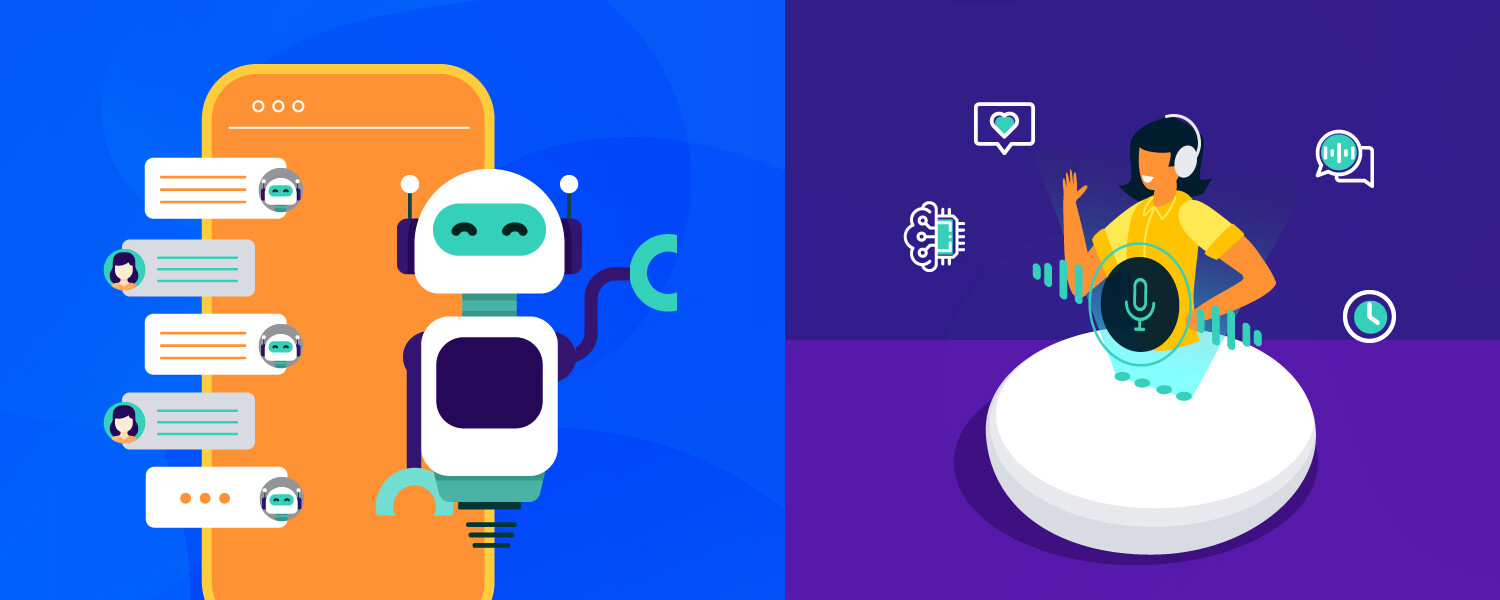
1. Defining Key Terms
1.1 AI Agents
AI agents are autonomous software programs that can perceive their environment, process information, and make decisions based on predefined rules or learned behaviors. These agents operate independently or semi-independently to perform tasks, adapt to changes, and achieve specific goals.
1.2 Chatbots
Chatbots are specialized AI programs designed primarily for conversational interactions with users. They can simulate human conversation through text or voice, providing responses to user inquiries, performing tasks, or guiding users through processes.
1.3 Virtual Assistants
Virtual assistants are more advanced AI systems that provide a broader range of functionalities, including personal assistance and task management. They can perform tasks like scheduling appointments, sending messages, and controlling smart home devices, often integrating with various applications and services.
2. Core Functionalities
2.1 AI Agents
AI agents are characterized by their ability to:
- Autonomy: AI agents can operate independently, making decisions based on their programmed logic or learned experiences.
- Task Execution: They can perform complex tasks across various domains, such as data analysis, robotics, or process automation.
- Adaptability: AI agents can adapt to changing environments and circumstances, improving their performance over time.
2.2 Chatbots
Chatbots primarily focus on conversational interactions and are designed to:
- Engage in Dialogue: Chatbots can simulate conversations with users, responding to inquiries and providing information.
- Contextual Understanding: Many modern chatbots use natural language processing (NLP) to understand user intent and context, enabling more relevant responses.
- Perform Simple Tasks: They can assist with basic tasks, such as answering FAQs, guiding users through processes, or providing support.
2.3 Virtual Assistants
Virtual assistants encompass a wider range of functionalities, including:
- Personalized Assistance: They can manage personal tasks, such as scheduling, reminders, and notifications.
- Integration with Services: Virtual assistants often integrate with various applications and services, allowing users to control smart devices, access information, and perform tasks seamlessly.
- Natural Language Understanding: They utilize advanced NLP to understand and respond to user queries in a conversational manner.
3. Technological Framework
3.1 AI Agents
AI agents employ a variety of technologies to function effectively:
- Machine Learning: Many AI agents utilize machine learning algorithms to learn from data and improve their performance over time.
- Reinforcement Learning: Some agents use reinforcement learning, allowing them to learn optimal behaviors through trial and error.
- Knowledge Representation: AI agents often maintain internal models of their environment, enabling them to reason about their actions and make informed decisions.
3.2 Chatbots
Chatbots typically rely on several key technologies:
- Natural Language Processing (NLP): NLP is crucial for understanding user input and generating appropriate responses. It allows chatbots to parse language, identify intent, and extract relevant information.
- Rule-Based Systems: Some chatbots operate on predefined rules, responding to specific keywords or phrases with fixed answers.
- Machine Learning: Advanced chatbots may incorporate machine learning to improve their conversational abilities, learning from user interactions over time.
3.3 Virtual Assistants
Virtual assistants leverage a combination of technologies, including:
- Advanced NLP: They utilize sophisticated NLP techniques to understand complex queries and respond accurately.
- Contextual Awareness: Virtual assistants can maintain context over multiple interactions, enabling more natural and coherent conversations.
- Integration Capabilities: They can connect to various APIs and services, allowing users to perform a wide range of tasks across different platforms.
4. Use Cases and Applications
4.1 AI Agents
AI agents are utilized in various domains, including:
- Autonomous Systems: In robotics, AI agents control robotic systems for tasks such as manufacturing, navigation, and exploration.
- Data Analysis: AI agents can analyze large datasets, identifying patterns and making predictions in fields like finance and healthcare.
- Process Automation: They are employed in business process automation, managing workflows and enhancing operational efficiency.
4.2 Chatbots
Chatbots are commonly used for:
- Customer Support: Many businesses deploy chatbots to handle customer inquiries, providing instant responses and reducing the workload on human agents.
- E-commerce: Chatbots can assist customers in finding products, processing orders, and answering questions about returns and shipping.
- Education: Educational institutions use chatbots to provide information about courses, enrollment procedures, and student services.
4.3 Virtual Assistants
Virtual assistants find applications in:
- Personal Productivity: Tools like Google Assistant, Siri, and Alexa help users manage tasks, set reminders, and organize schedules.
- Smart Home Control: Virtual assistants enable users to control smart devices, such as lights, thermostats, and security systems, through voice commands.
- Information Retrieval: They can quickly access information from the internet, providing users with answers to queries on a wide range of topics.
5. Interaction Models
5.1 AI Agents
AI agents typically interact with users or systems in more structured ways:
- Direct Engagement: They can interact directly with users or other systems, processing information and executing tasks autonomously.
- Feedback Mechanism: AI agents often incorporate feedback loops, allowing them to learn from interactions and improve their decision-making processes over time.
5.2 Chatbots
Chatbots engage users primarily through conversational interfaces:
- Text-Based Interaction: Most chatbots operate through text-based chat interfaces, allowing users to type their queries and receive responses.
- Voice Interaction: Some chatbots support voice interactions, enabling users to engage in spoken conversations.
5.3 Virtual Assistants
Virtual assistants offer a more versatile interaction model:
- Multi-Modal Interaction: They can engage users through text, voice, and even visual interfaces, providing a richer user experience.
- Contextual Continuity: Virtual assistants maintain context across multiple interactions, allowing for more coherent and personalized conversations.
6. Limitations and Challenges
6.1 AI Agents
While AI agents are powerful, they face several challenges:
- Complex Environments: Operating in dynamic and complex environments can be challenging, as AI agents must adapt to changes and uncertainties.
- Resource Intensive: Developing and maintaining advanced AI agents can be resource-intensive, requiring significant computational power and data.
6.2 Chatbots
Chatbots have their own limitations:
- Limited Understanding: Many chatbots struggle with understanding nuanced language, idioms, or context, leading to misinterpretations.
- Static Responses: Rule-based chatbots may provide static responses that do not adapt to the user’s needs or evolving conversations.
6.3 Virtual Assistants
Virtual assistants also encounter challenges:
- Privacy Concerns: The collection of personal data raises privacy concerns, as users may be wary of how their information is used.
- Integration Issues: Virtual assistants may face difficulties integrating with various third-party services, limiting their functionality.
7. The Future of AI Agents, Chatbots, and Virtual Assistants
7.1 Advancements in AI Technology
The future of AI agents, chatbots, and virtual assistants is likely to be shaped by advancements in technology:
- Improved Natural Language Processing: Continued improvements in NLP will enhance the conversational abilities of all three types of AI, enabling more meaningful interactions.
- Contextual Understanding: Future AI systems will likely develop deeper contextual understanding, allowing them to respond more appropriately to user needs.
7.2 Enhanced Personalization
Personalization will play a crucial role in the evolution of these AI systems:
- User-Centric Design: Future AI agents, chatbots, and virtual assistants will prioritize user preferences, tailoring their responses and interactions based on individual needs.
- Adaptive Learning: As AI systems learn from user interactions, they will become more adept at anticipating needs and providing relevant assistance.
7.3 Ethical Considerations
As AI technology evolves, ethical considerations will become increasingly important:
- Transparency and Accountability: Ensuring transparency in how AI systems operate and make decisions will be crucial for building trust with users.
- Data Privacy: Addressing data privacy concerns will be essential to ensure users feel comfortable interacting with AI systems.
Conclusion
AI agents, chatbots, and virtual assistants represent distinct categories of AI technology, each with unique characteristics and applications. While they share some overlapping functionalities, their core purposes, interaction models, and underlying technologies differ significantly.
AI agents are autonomous entities capable of complex decision-making, while chatbots focus primarily on conversational interactions, and virtual assistants provide a broader range of personal assistance. Understanding these differences is crucial for leveraging each technology effectively and addressing the challenges they present.
As AI technology continues to advance, the future promises exciting developments that will enhance the capabilities of AI agents, chatbots, and virtual assistants, ultimately transforming how we interact with technology and each other. By prioritizing ethical considerations and user-centric design, we can ensure that these AI systems serve to enhance our lives while respecting our privacy and autonomy.