Artificial Intelligence (AI) agents are increasingly becoming integral to modern business environments. These intelligent systems leverage machine learning, natural language processing, and data analytics to perform tasks traditionally carried out by humans. As businesses seek to enhance efficiency and productivity, the adoption of AI agents has emerged as a transformative strategy. This essay explores various ways AI agents can improve efficiency and productivity in business environments, focusing on automation, decision-making, customer service, data analysis, and workforce management.
1. Automation of Routine Tasks
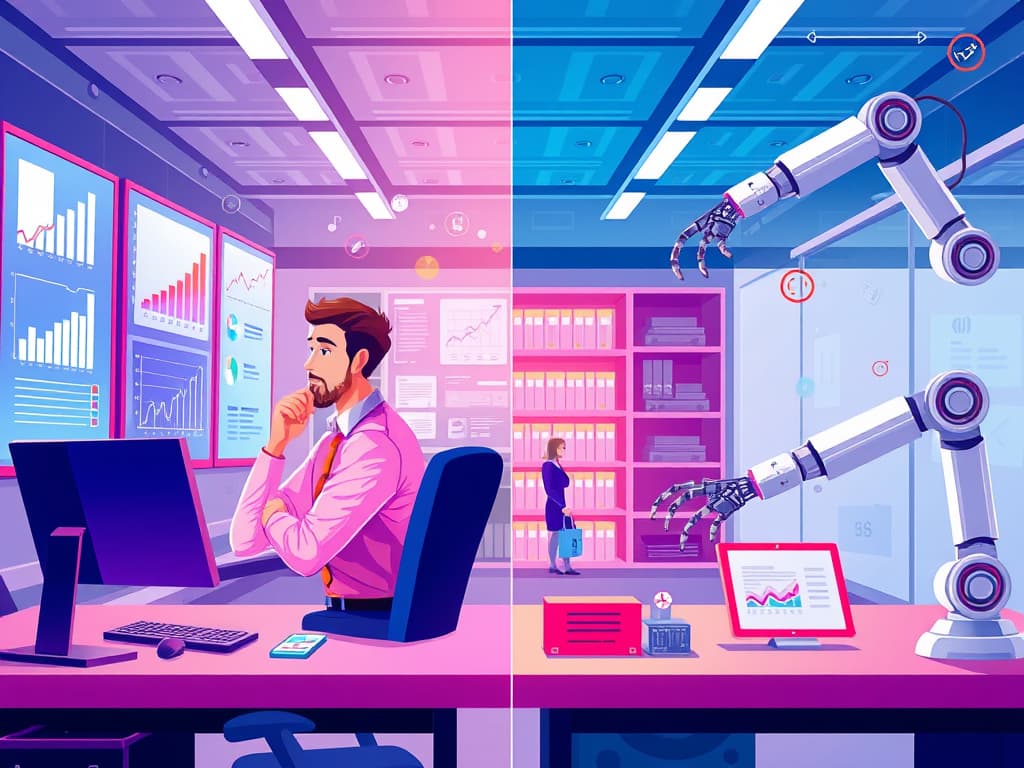
One of the most significant contributions of AI agents is the automation of routine and repetitive tasks. Many businesses operate on a model that includes numerous mundane activities, such as data entry, scheduling, and inventory management. By employing AI agents to handle these tasks, companies can free up human resources for more strategic activities.
For example, AI-powered software can automate data entry processes by extracting information from documents and populating relevant databases. This not only speeds up the process but also reduces the likelihood of human error. Employees can then focus on more complex tasks that require critical thinking and creativity, leading to higher job satisfaction and productivity.
2. Enhanced Decision-Making
AI agents can analyze vast amounts of data much more quickly than human beings. By processing and interpreting data from various sources, these agents provide insights that can inform better decision-making. Businesses can leverage predictive analytics to forecast trends, customer preferences, and potential market shifts.
For instance, AI agents can analyze sales data to identify patterns and predict future sales trends. This information allows businesses to adjust their marketing strategies, optimize inventory levels, and enhance supply chain management. The ability to make data-driven decisions in real-time significantly improves efficiency and productivity.
3. Improved Customer Service
AI agents, particularly chatbots and virtual assistants, are revolutionizing customer service. These AI-driven tools provide instant support to customers, handling inquiries and resolving issues without human intervention. This not only enhances the customer experience but also allows human agents to focus on more complex customer needs.
For example, a retail company can implement a chatbot on its website to assist customers with common queries, such as product availability or return policies. By providing 24/7 support, businesses can significantly improve customer satisfaction and loyalty. The time saved by reducing the volume of routine inquiries allows customer service teams to concentrate on building relationships with customers, leading to increased sales and retention.
4. Data Analysis and Insights
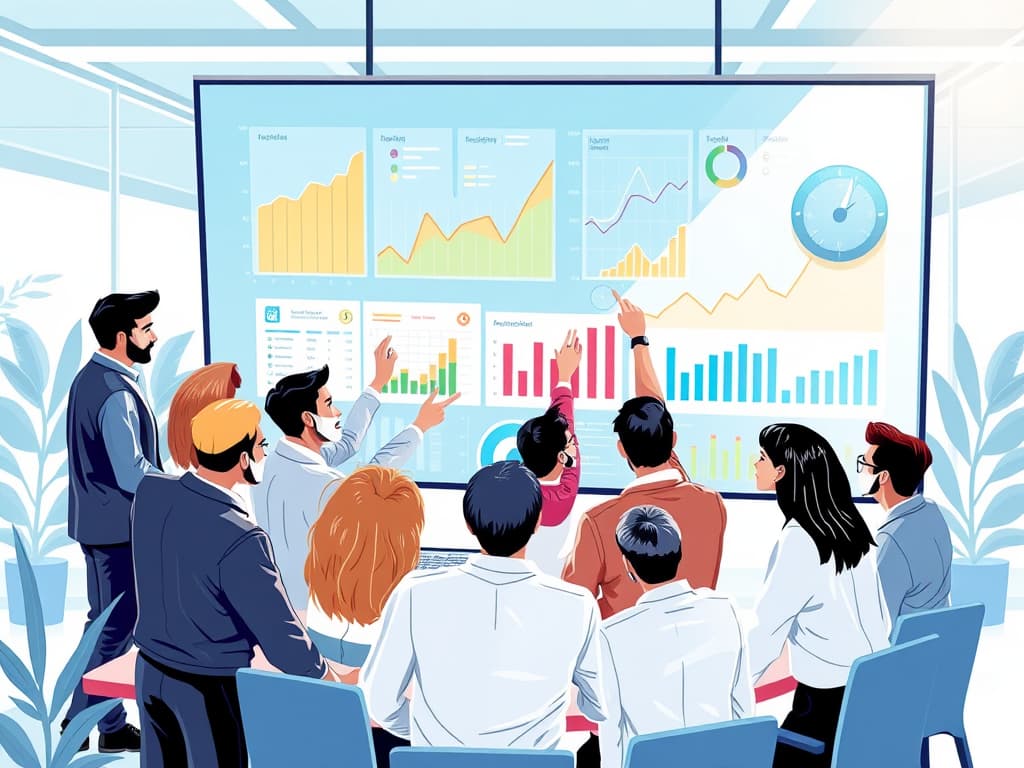
In today’s data-driven world, the ability to analyze and derive insights from data is crucial for business success. AI agents excel in processing large datasets, identifying trends, and generating actionable insights. By utilizing machine learning algorithms, AI agents can continuously learn from new data and improve their analytical capabilities over time.
Businesses can benefit from AI-driven insights in various areas, such as marketing, finance, and operations. For instance, marketing teams can use AI agents to analyze customer engagement data and optimize campaigns based on real-time feedback. In finance, AI can assist in risk assessment and fraud detection by analyzing transaction patterns. By harnessing the power of AI for data analysis, businesses can make informed decisions that drive efficiency and productivity.
5. Workforce Management
AI agents can play a crucial role in workforce management by optimizing scheduling, performance tracking, and employee engagement. By analyzing employee data and workloads, AI can help managers allocate resources more effectively, ensuring that the right people are assigned to the right tasks at the right time.
For example, AI-driven scheduling tools can analyze employee availability, workload, and skills to create optimal work schedules. This minimizes downtime and ensures that projects are adequately staffed. Additionally, AI agents can track employee performance, providing insights into productivity trends and helping identify areas for improvement.
Moreover, AI can enhance employee engagement by offering personalized training and development recommendations. By analyzing individual skills and career aspirations, AI agents can suggest relevant training programs, fostering professional growth and increasing overall productivity.
6. Streamlined Communication
Effective communication is vital for any business organization. AI agents can facilitate streamlined communication within teams and across departments. With tools like AI-driven email assistants or collaboration platforms, employees can manage their communications more efficiently.
For instance, AI agents can prioritize emails based on urgency and relevance, helping employees focus on the most critical messages first. Additionally, AI can assist in summarizing long email threads or documents, allowing employees to quickly grasp essential information without sifting through excessive text.

7. Enhanced Marketing Strategies
AI agents can significantly improve marketing efficiency by providing insights into customer behavior and preferences. By analyzing data from various channels, AI can help businesses tailor their marketing strategies to target specific audiences effectively.
For example, AI-driven marketing platforms can segment customers based on their purchase history, online behavior, and demographic information. This allows businesses to create personalized marketing campaigns that resonate with their target audience, leading to higher conversion rates. Increased marketing efficiency translates to enhanced productivity as resources are utilized more effectively.
8. Inventory Management Optimization
Inventory management is a critical aspect of many businesses, particularly in retail and manufacturing. AI agents can streamline inventory management by predicting demand, optimizing stock levels, and minimizing waste.
By analyzing historical sales data, AI agents can forecast future demand for specific products. This enables businesses to maintain optimal inventory levels, reducing carrying costs and minimizing the risk of stockouts. Additionally, AI can identify slow-moving items, allowing companies to take proactive measures, such as discounts or promotions, to clear out excess inventory.
9. Enhanced Cybersecurity
As businesses increasingly rely on digital tools and data, cybersecurity has become a paramount concern. AI agents can enhance cybersecurity measures by monitoring network activity and detecting potential threats in real-time.
By employing machine learning algorithms, AI agents can identify unusual patterns that may indicate a cyberattack or data breach. This proactive approach allows businesses to respond quickly to potential threats, minimizing the impact on operations and ensuring data integrity. Enhanced cybersecurity not only protects company assets but also fosters trust among customers and stakeholders.
10. Cost Reduction
Implementing AI agents can lead to significant cost reductions for businesses. By automating routine tasks and improving operational efficiency, companies can lower labor costs and reduce the risk of human error. Additionally, AI-driven insights can help identify inefficiencies in processes, allowing businesses to optimize their operations and minimize waste.
For instance, a manufacturing company can utilize AI to optimize production schedules and reduce downtime, leading to lower operational costs. The savings generated by AI implementation can be reinvested into other areas of the business, driving further growth and productivity.
Conclusion
AI agents are transforming the way businesses operate by enhancing efficiency and productivity across various functions. From automating routine tasks and improving decision-making to revolutionizing customer service and optimizing workforce management, the applications of AI are vast and impactful. As businesses continue to embrace AI technology, the potential for increased efficiency and productivity will only grow.
Ultimately, the integration of AI agents into business environments not only streamlines operations but also empowers human employees to focus on higher-value tasks, driving innovation and growth in an ever-evolving marketplace. As organizations adapt to this new landscape, the successful implementation of AI agents will be pivotal in shaping the future of work.