The increasing prominence of AI agents in 2025 can be attributed to a convergence of technological advancements, societal needs, and evolving user expectations. These intelligent systems, equipped with sophisticated algorithms and machine learning capabilities, have begun to permeate various aspects of everyday life. From enhancing productivity in workplaces to transforming customer service, the impact of AI agents is profound and multifaceted. This exploration delves into the reasons behind the sudden surge of attention toward AI agents in 2025, examining their roles, applications, and the implications for society.

1. Advancements in AI Technology
The rapid evolution of AI technology has significantly contributed to the rising interest in AI agents. Breakthroughs in machine learning, natural language processing, and computer vision have enabled these agents to perform tasks that were once considered the exclusive domain of humans.
a. Enhanced Natural Language Processing
Natural language processing (NLP) has advanced dramatically, allowing AI agents to understand and generate human language with remarkable accuracy. This capability has transformed the way people interact with technology. AI agents can now engage in meaningful conversations, answer questions, and provide assistance across various platforms, making them more accessible and user-friendly.
b. Improved Machine Learning Algorithms
The development of more sophisticated machine learning algorithms has empowered AI agents to learn from vast amounts of data. These algorithms enable agents to adapt their behavior based on user interactions, preferences, and feedback. As a result, AI agents can provide personalized experiences, enhancing their utility in both professional and personal contexts.
c. Integration of Multimodal Capabilities
AI agents in 2025 are increasingly equipped with multimodal capabilities, allowing them to process and analyze data from multiple sources. This integration enables agents to combine text, voice, and visual inputs, creating a more seamless and intuitive user experience. For instance, an AI agent can interpret spoken commands while analyzing visual data from a camera, enhancing its ability to assist users effectively.

2. Increasing Demand for Automation
The global workforce continues to evolve, with businesses seeking innovative solutions to improve efficiency and productivity. AI agents have emerged as valuable tools for automating routine tasks, freeing up human workers to focus on more complex activities.
a. Streamlining Business Operations
Many organizations have adopted AI agents to streamline their operations. From automating customer support to managing inventory, AI agents can perform tasks quickly and accurately, reducing the burden on human employees. This automation not only enhances productivity but also minimizes errors and operational costs.
b. Enhancing Decision-Making
AI agents provide data-driven insights that enhance decision-making processes. By analyzing large datasets, these agents can identify trends, patterns, and anomalies that may not be immediately apparent to human analysts. This capability empowers organizations to make informed decisions, driving growth and innovation.
c. Improving Customer Experience
In the age of instant gratification, customers expect quick and efficient service. AI agents have become essential in meeting these expectations by providing 24/7 support and personalized interactions. Businesses that leverage AI agents in customer service can respond to inquiries promptly, enhancing overall customer satisfaction and loyalty.
3. The Rise of Remote Work
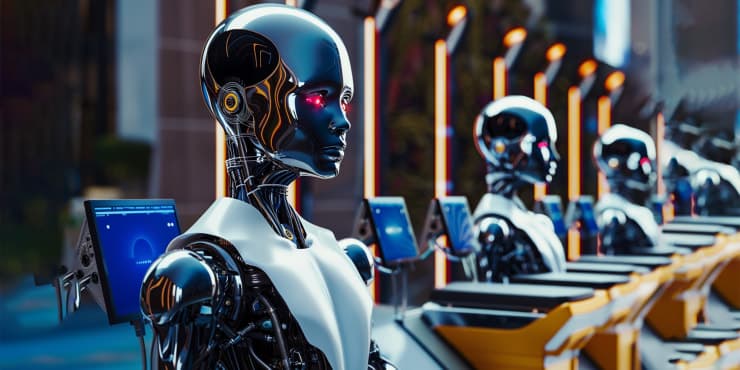
The shift toward remote work, accelerated by the global pandemic, has created a demand for tools that enhance collaboration and communication among distributed teams. AI agents have become indispensable in facilitating remote work by supporting team dynamics and productivity.
a. Virtual Collaboration Tools
AI agents have been integrated into virtual collaboration platforms, enabling seamless communication among team members. These agents can schedule meetings, manage tasks, and provide real-time feedback, ensuring that remote teams remain connected and efficient. The ability to automate these administrative tasks allows employees to focus on their core responsibilities.
b. Personalized Workflows
AI agents can analyze individual work habits and preferences, creating personalized workflows that enhance productivity. By understanding how each team member operates, AI agents can suggest optimal times for meetings, prioritize tasks, and even recommend breaks, contributing to a healthier work-life balance.
c. Enhanced Training and Onboarding
Training new employees in a remote environment can be challenging. AI agents can streamline the onboarding process by providing personalized training modules, answering questions, and offering resources tailored to each new hire’s needs. This approach ensures that employees feel supported and equipped to succeed in their roles.
4. Societal and Cultural Shifts
The cultural landscape is shifting, with increasing acceptance of AI technology in daily life. As society becomes more familiar with AI, the demand for intelligent agents has surged.
a. Growing Popularity of Smart Devices
The proliferation of smart devices has conditioned individuals to interact with AI on a daily basis. From smart speakers to wearable technology, these devices often include AI agents that assist users with various tasks. As people become accustomed to relying on AI for everyday activities, the expectation for more advanced capabilities has grown.
b. Emphasis on Personalization
In a world saturated with information, personalization has become a key factor in user engagement. AI agents can tailor recommendations, content, and services based on individual preferences, creating a more meaningful experience. This emphasis on personalization aligns with broader cultural trends, where consumers seek products and services that cater to their unique needs.
c. Increasing Awareness of AI Ethics
As AI technology advances, discussions surrounding ethical considerations have gained prominence. Society is increasingly aware of the implications of AI, including issues related to bias, privacy, and accountability. This awareness has prompted calls for responsible AI development, leading to greater scrutiny of how AI agents are designed and deployed.
5. Expanding Applications Across Industries
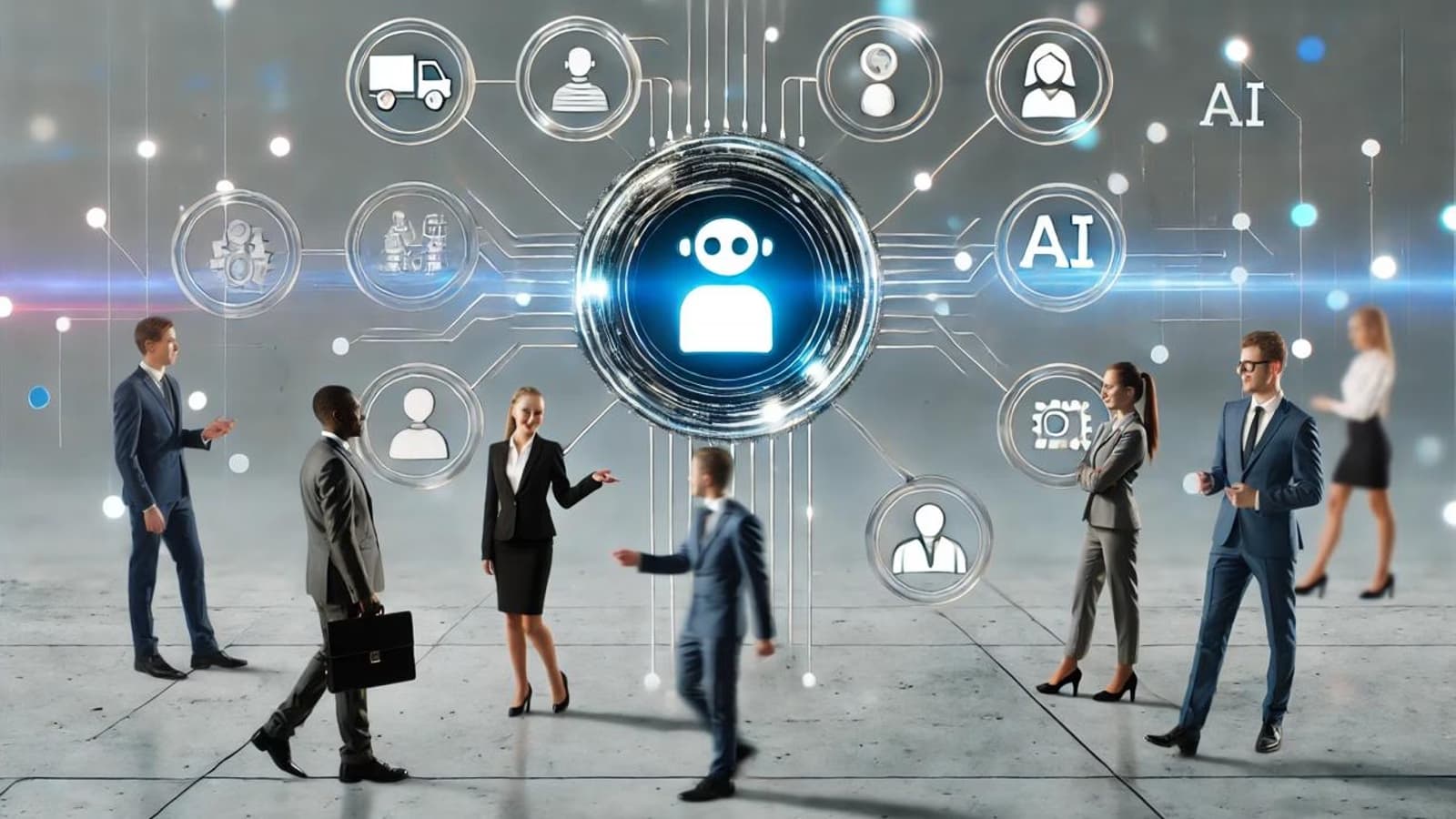
AI agents are making significant inroads across various industries, demonstrating their versatility and potential to transform sectors beyond technology.
a. Healthcare Innovations
In healthcare, AI agents have begun to play a transformative role. From virtual health assistants that provide medical advice to AI systems that analyze patient data, these agents enhance patient care and streamline administrative processes. By automating routine tasks, healthcare professionals can focus on delivering quality care.
b. Financial Services
The financial sector has embraced AI agents to improve customer service, fraud detection, and investment strategies. Chatbots and virtual assistants are increasingly used to handle customer inquiries, while AI algorithms analyze market trends to inform investment decisions. This integration enhances efficiency and reduces operational risks.
c. Education and Learning
In education, AI agents are reshaping the learning landscape. Intelligent tutoring systems provide personalized instruction, adapting to individual student needs and learning styles. By offering tailored feedback and resources, AI agents enhance student engagement and improve learning outcomes.
6. The Future of AI Agents
The future of AI agents holds immense promise, with ongoing advancements poised to reshape their capabilities and applications.
a. Human-AI Collaboration
As AI technologies continue to evolve, the emphasis will shift toward collaboration between humans and AI agents. Rather than replacing human workers, AI agents will augment their capabilities, allowing for more effective teamwork. This synergy has the potential to drive innovation and creativity across various fields.
b. Ethical AI Development
The growing awareness of ethical considerations surrounding AI will shape its future development. Organizations will prioritize transparency, fairness, and accountability in AI systems to build trust among users. This focus on ethical AI will lead to the creation of agents that align with societal values and expectations.
c. Continuous Learning and Adaptation
AI agents will increasingly incorporate continuous learning capabilities, enabling them to adapt to changing environments and user needs. By leveraging real-time data and feedback, these agents will refine their behaviors and improve their performance, resulting in more effective interactions.
Conclusion
The sudden surge of attention toward AI agents in 2025 can be attributed to a confluence of technological advancements, societal shifts, and an increasing demand for automation. As AI agents become more integrated into everyday life, their ability to enhance productivity, streamline operations, and improve user experiences will continue to drive their popularity.
The future of AI agents appears bright, with opportunities for innovation, collaboration, and ethical development. By harnessing the power of AI, individuals and organizations can unlock new possibilities, creating a more efficient, personalized, and connected world. Embracing these advancements will be essential in navigating the evolving landscape of technology and its impact on society.